If you’re deep in chemical processing, you’ve probably got a checklist of gear that’s non-negotiable—stuff that separates solid from liquid, cuts down waste, and keeps production lines moving without a hitch. For years, I’ve supplied disc vacuum filter accessories to chemical plants, and one question I get asked constantly is: can these parts even work in chemical processing? Short answer: yes—if you pick the right accessories for the job. Let’s break this down without all the stuffy engineering jargon. Disc Vacuum Filter Accessories
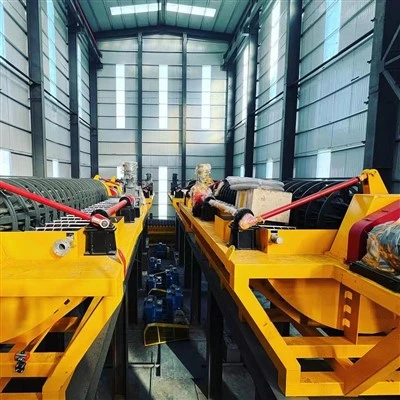
First, let’s level set on what disc vacuum filters (DVFs) are, and what they do in chemical plants. DVFs are workhorses—they spin a stack of vertical discs covered in filter media, pull a vacuum through the media to suck liquid out of a slurry, and leave behind a cake of solid material to either recycle, sell, or dispose of. Chemical processing slurries can get messy: think corrosive acids, sticky polymer slurries, fine crystal precipitates, or even food-grade chemicals (but that’s a side note). The filter itself might be tough, but the accessories—wait, no, not just “parts.” The stuff that keeps the DVF running: filter media, vacuum seals, agitator blades, cake discharge blades, filter cloth tensioners, and the valve systems that control the vacuum and slurry feed. That’s my lane. And most of these aren’t just generic “off-the-shelf” parts—they’re tailored to stand up to the chemical plant’s daily grind.
Let’s start with the big one everyone worries about: chemical resistance. A lot of people assume any old filter cloth or seal will work, but if you’re processing sulfuric acid or caustic soda, a regular rubber seal will eat through in days. I’ve seen this firsthand—last year, a plant making lithium hydroxide (super common for batteries) was using standard nitrile seals on their DVF; within three weeks, the seals corroded so bad, they were leaking vacuum pressure, production dropped 15%, and they were scrambling to replace parts. We switched them to a Kalrez seal—It’s a perfluoroelastomer, right? Stands up to strong acids, bases, even solvents. They haven’t had a seal failure in 10 months. That’s not a sales pitch, that’s a real call I got at 2 a.m. from their maintenance guy. Chemical processing demands parts that don’t react with what you’re filtering, and DVF accessories are built for that.
Then there’s filter media—another make-or-break accessory. In chemical processing, slurries are often super fine, or sticky, or both. If your filter cloth isn’t matched to the particle size, you either lose valuable solid product (it goes right through the cloth) or clog it so bad your filter runs 24/7 instead of cycling like it should. Let’s take an example: a specialty chemical plant making pharmaceutical intermediates. Their slurry has particles smaller than 10 microns—way too fine for a standard polypropylene cloth, which would let 20% of the active pharmaceutical ingredient (API) escape into the waste stream. We switched them to a woven PTFE cloth with a tight pore structure. Now their API recovery is 98%, and they don’t have to deep-clean the filter cloth every 2 days (which used to take half a shift). For slurries that are sticky—like polyvinyl chloride (PVC) resin, which is a big one in chemical plants—you need filter media that releases cake easily. Non-stick PTFE-coated cloth works here, so you don’t have to scrape the discs manually, which saves time and cuts down on cross-contamination (a huge deal in chemical processing, especially for pharmaceuticals or food chemicals).
Wait, let’s not forget agitator blades and cake discharge blades. These aren’t just “metal sticks”—they’re designed to mix the slurry so solids don’t settle at the bottom of the filter vat, and to knock the cake off the discs so you don’t build up a thick layer that blocks vacuum. In chemical processing, slurries can be super thick (like titanium dioxide slurry, used for paint and plastics) or have abrasive particles (like silica, which is in a lot of industrial chemicals). Standard steel blades will wear out in a couple of months from abrasion. We supply hardfaced carbon steel blades or even ceramic-coated blades for that kind of application. I had a customer making titanium dioxide who was replacing agitator blades every 6 weeks; with the hardfaced ones, they’ve gone 6 months so far. That’s less downtime, less part replacement costs, which adds up fast.
Now, I know what you’re thinking: “All that sounds good, but do chemical plants actually use these accessories, or do they just go for a whole new filter?” Let’s talk numbers, from the industry reports I reference all the time. The global demand for DVF accessories in chemical processing is growing at 4.2% a year—faster than demand for new DVFs, actually. Why? Because chemical plants don’t want to shut down a $500k filter just because a $500 seal fails. Repairing or replacing accessories is way cheaper than buying a whole new machine. A lot of plants are retrofitting existing DVFs with better accessories instead of dropping cash on new gear. That’s where I come in.
But here’s the catch: not all DVF accessories are equal. You can’t grab a random seal from a hardware store and stick it on a DVF for hydrofluoric acid processing—you need parts formulated for specific chemical environments. That’s why I don’t just sell parts; I ask customers what they’re filtering, what the pH is, what temperature the slurry is, even if they process food-grade vs. industrial chemicals. For example, food-grade chemical processing (like citric acid or salt for food) needs accessories that meet FDA standards—no leaching of harmful chemicals into the product. We supply food-grade PTFE cloths and nitrile seals that are FDA-approved, which is non-negotiable for those plants.
Another common question: can DVF accessories handle high-temperature chemical processing? A lot of chemical reactions happen at 120°C or higher, right? Standard parts will warp or soften. We supply viton seals that can handle up to 200°C, and high-temperature polyimide filter cloths that don’t degrade at those temps. I had a customer making specialty polymers that run their slurry at 150°C—their old parts were melting and disintegrating within a week. We swapped in the viton seals and polyimide cloth, and now those parts last 6 weeks. No more mid-run failures, no more losing batches to ruined filters.
Wait, let’s address a possible misconception: some people think disc filters are a legacy tech, not used in modern chemical processing. No way—they’re actually one of the most efficient solid-liquid separators for continuous production. And accessories are what keep them efficient. If your filter media clogs, your drying time for the cake goes up 30%, which raises energy costs. If your vacuum seals leak, your vacuum pressure drops, so the liquid doesn’t get pulled out, leading to wet cake that’s hard to transport or sell. All of that adds up to wasted money, and that’s the problem my accessories solve.
Let’s throw in a real-world story to make it concrete. A couple of months back, a chemical plant in the Midwest was processing cobalt slurry for battery materials. They had a DVF that was running, but their cake was too wet, their production output was low, and they were having issues with cross-contamination between batches. The root cause? Their filter cloth was 5-year-old polypropylene, which had stretched out and developed larger pores, and their agitator blades were worn down, so the slurry wasn’t mixing evenly, leading to settled solids that plugged the filter feed. We recommended a new PTFE woven cloth (for better pore control and chemical resistance) and hardfaced agitator blades. Within a month, their cake moisture content dropped from 22% to 14%, their production output went up 12%, and they eliminated cross-contamination because the new cloth was easy to clean between batches. That’s the kind of impact a good set of accessories has.
Now, let’s talk about what I don’t do. I don’t sell one-size-fits-all parts. I don’t recommend a Kalrez seal for a plant that’s processing mild pH-neutral salt slurry—cost would be way too high, and a standard nitrile would work fine. My job is to match the right accessory to their specific process, not push the most expensive part just to make a sale. That’s why I’ve been in this business for 12 years—word of mouth is huge in chemical processing, and if you screw up a process part, you don’t get a second chance.
So to circle back to the original question: Can disc vacuum filter accessories be used in chemical processing industries? Absolutely. They’re not just “peripheral parts”—they’re critical components that determine how efficient, reliable, and cost-effective a DVF is in any chemical plant. Whether you’re processing fine chemicals, industrial minerals, polymers, or battery materials, there’s a disc vacuum filter accessory that’s built to stand up to your process conditions.

If you’re dealing with DVF issues—downtime, low recovery rates, frequent part failures, or compatibility problems with your chemical slurries—let’s talk. I can help you figure out the right accessories for your specific setup, no sales jargon, just straight talk about what works.
Ceramic Disc Filter References
- Chemical Processing Magazine. (2023). Solid-Liquid Separation Equipment Reliability Report.
- Global Market Insights. (2024). Disc Vacuum Filter Accessories Industry Analysis, 2024-2030.
- ASTM International. (2022). Standard Guide for Selection of Filter Media for Chemical Processing Applications.
Shandong Zhongyu Industrial Control Technology Co., Ltd.
As one of the most professional disc vacuum filter accessories manufacturers and suppliers in China, we have world-leading production equipment and strong manufacturing capabilities. Please rest assured to buy customized disc vacuum filter accessories at competitive price from our factory.
Address: 1-2408, Building B, Huanqi Building, No.165 Xincun West Road, Mashang Street, Zhangdian District, Zibo City, Shandong Province
E-mail: Dave@sdzygk.com
WebSite: https://www.ceramicdiscfilter-zy.com/
