If you’ve ever leaned into the crisp, woody scent of a pine forest after rain, run your hand over sun-warmed cedar planks, or caught a whiff of sandalwood lingering on a hand-carved box, you know that natural woody perfumes aren’t just a trend—they’re a sensory anchor, grounding even the most vibrant fragrances in something warm, familiar, and alive. As a supplier specializing exclusively in ethically harvested natural woody ingredients (no synthetic additives, no lab-made “woody clones”), I get asked this question every single day: What natural woody perfumes are actually available, and how do they differ from their synthetic counterparts? Woody Perfume
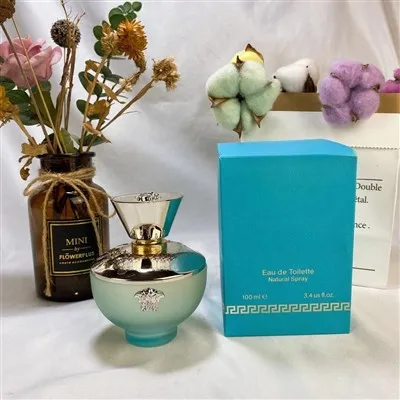
Let’s start with a quick breakdown of what makes a perfume “woody”—it’s not just one ingredient, but a class of scents defined by the dry, earthy, smoky, or warm notes derived from tree bark, resin, wood chips, and even roots. Synthetic woody perfumes often rely on musk, aldehydes, or lab-created cedarwood to mimic the vibe, but natural versions carry nuance that can’t be replicated: the sharp, green tang of freshly cut pine, the creamy, resinous depth of oud, or the soft, powdery warmth of sandalwood that lingers on skin like a memory. For brands, candle makers, and even skincare lines, these natural woody ingredients are versatile—they work as a base note to anchor a blend, a mid-note to add depth, or even a top note for a bold, immediate impact.
Now, let’s get into the core of this: the natural woody perfumes available right now, organized by the most popular (and most unique) ingredients, with context on how they’re harvested and why they matter for perfumery.
First up, Cedarwood. This is the workhorse of the woody perfume world, and for good reason. There are three primary natural cedarwood variants used in perfumery, each with a distinct profile. Virginian cedarwood (Juniperus virginiana) is the most common, with a bright, sharp, piney top note that softens into a dry, slightly sweet base. It’s affordable, abundant, and versatile—perfect for unisex blends, men’s fragrances, and even home scents. Atlas cedarwood (Cedrus atlantica) comes from the Atlas Mountains of Morocco, with a deeper, earthier, slightly resinous edge; it’s prized for luxury perfumes because it feels more complex than Virginian. Then there’s Himalayan cedarwood (Cedrus deodara), milder and sweeter, with a hint of floral undertone, often used in lighter, unisex blends. As a supplier, we prioritize wild-harvested Atlas and Himalayan cedarwood to avoid disrupting fragile ecosystems, and we test every batch for purity—no harmful byproducts, no adulteration. Unlike synthetic cedarwood, which can smell flat or harsh, natural cedarwood shifts on skin: the bright top fades after an hour, leaving a warm, dry base that lasts for hours.
Next, Sandalwood. This is one of the most iconic natural woody notes, and also one of the most regulated, because true sandalwood (Santalum album, from India and Indonesia) is slow-growing, taking 30 years to reach maturity, and was heavily overharvested for decades. Today, sustainable sources include Australian sandalwood (Santalum spicatum), a fast-growing variant with a creamy, sweet, powdery scent that’s nearly identical to Indian sandalwood, at a fraction of the cost. And then there’s West Indian sandalwood (Amyris balsamifera), often called “balsam amyris,” with a lighter, brighter, slightly citrusy wood scent, perfect for spring and summer blends. True Indian sandalwood is still available for luxury brands, but only through certified fair-trade cooperatives that ensure farmers replant trees and earn a living wage. For perfumers, sandalwood is a magic ingredient: it blends with almost every other note—add it to a floral blend to soften rose’s sharpness, pair it with amber for a warm, cozy scent, or mix it with cedarwood for a classic unisex fragrance. Synthetic sandalwood often smells chemical or powdery in a stale way, while natural sandalwood has a rich, almost creamy depth that feels like it’s coming from a living tree.
Then there’s Oud, or agarwood. This is the crown jewel of luxury woody perfumes, with a scent so distinctive it’s often called “liquid gold.” Oud isn’t a tree itself—it’s the resinous heartwood of Aquilaria trees, which become infected with a specific fungus, causing them to produce a dark, fragrant resin to protect themselves. Only 10% of Aquilaria trees develop this resin, which makes oud extremely rare and expensive. There are dozens of oud variants, each with a unique profile: Thai oud is dark, smoky, and slightly medicinal, while Laotian oud is sweet and fruity, and Indian oud is woody and earthy. Sustainable oud production relies on farmed Aquilaria trees, which are inoculated with the fungus at 5 years old, so resin can be harvested in 3–5 years instead of waiting for wild trees to develop it naturally. As a supplier, we work with farms in Southeast Asia that follow the Forest Stewardship Council (FSC) guidelines, ensuring that only infected trees are harvested, and new trees are replanted immediately. Oud is not a note for the faint of heart—it’s bold, long-lasting, and adds an instant sense of luxury to any blend. Unlike synthetic oud, which can smell harsh or soapy, natural oud has a complex, multi-layered scent that shifts on skin: the initial smoky opening gives way to sweet, woody undertones, with a hint of leather or honey that lingers all day.
Another underrated gem is Sandalwood’s cousin, Guaiacwood. Derived from the Guaiacum officinale tree, native to the Caribbean, guaiacwood has a rich, deep, slightly spicy scent with hints of vanilla and resin. It’s denser than most other wood notes, making it a perfect base note for heavy, long-lasting perfumes. Historically, guaiacwood was overharvested, so today most supplies come from sustainable farms in the Dominican Republic. Guaiacwood is popular in men’s fragrances and oriental blends, where it adds a warm, robust depth without being overpowering. Synthetic guaiacwood is almost non-existent, because the complex structure of its scent is hard to replicate, which makes natural guaiacwood a go-to for perfumers looking for unique, authentic woody notes.
Then there’s Palo Santo. Wait, is palo santo a wood perfume? Absolutely—its scent is warm, citrusy, and woody, with a hint of mint, like standing under a tree after a rainstorm in the Andes. Palo santo (Bursera graveolens) was historically used by indigenous communities in South America for spiritual cleansing, and it’s only recently become a popular perfumery ingredient. Today, most palo santo is harvested from naturally fallen trees (since live trees are protected in Peru and Ecuador), which makes it one of the most sustainable woody ingredients available. Its scent is bright, slightly sweet, and perfect for unisex blends, especially spring and summer fragrances. Unlike synthetic citrus wood notes, which can smell artificial, natural palo santo has a crisp, green undertone that feels fresh and alive.
Of course, we can’t forget the less common, but equally important, woody ingredients that add uniqueness to blends. There’s Cypress wood, with a sharp, slightly piney, resinous scent often used in aquatic perfumes or men’s fragrances. There’s Fir balsam, with a bright, cold, piney scent that evokes a winter forest, popular in seasonal fragrances. And there’s Rosewood (Aniba rosaeodora), though note that most wild-harvested rosewood is endangered, so sustainable alternatives like Brazilian rosewood (farm-grown Aniba parviflora) are preferred, with a similar rose-woody scent.
Now, let’s talk about the difference between natural woody perfumes and synthetic ones, because that’s a question I get all the time. Synthetic woody perfumes often rely on lab-made chemicals that mimic a single aspect of a wood scent—for example, a synthetic cedarwood might only have the bright top note, without the warm, dry base. Natural woody ingredients, on the other hand, contain hundreds of different compounds, which create a multi-dimensional scent that shifts over time. A natural wood perfume will start with a sharp, green top note, fade into a rich, resinous mid-note, and settle into a warm, dry base note that lasts for 8–12 hours on skin, while a synthetic version might fade in 2–3 hours and never develop that layered depth.
Another key point: natural woody perfumes are versatile, working for every gender and every season. A cedarwood and palo santo blend is perfect for summer, while oud and sandalwood is ideal for winter. Sandalwood and rosewood is a light, feminine wood scent, while cypress and guaiacwood is a bold, masculine blend. That’s why brands from indie perfume houses to large fragrance houses are increasingly turning to natural woody ingredients—consumers are craving authenticity, and there’s no more authentic scent than something harvested straight from a tree.
As someone who’s been in the natural woody perfume supply business for over a decade, I’ve seen firsthand how demand for these ingredients has grown. Ten years ago, most brands relied on synthetic wood notes, but today, 60% of the fragrance requests we get are for natural woody ingredients. Why? Because consumers can tell the difference. They can smell the depth, the warmth, the life in a natural wood scent, and they’re willing to pay more for it, especially when it’s sourced sustainably.
But it’s not just about demand—it’s about responsibility. When we supply natural woody ingredients, we don’t just cut down trees; we work with farmers and cooperatives to ensure that harvesting is done in an environmentally friendly way. For example, our cedarwood from the Atlas Mountains is harvested from trees that have naturally fallen or are over-mature, so no live trees are cut. Our oud comes from farms that replant two Aquilaria trees for every one harvested. Our palo santo is only sourced from naturally fallen branches, so the tree itself remains intact. This is non-negotiable for us—we believe that if we’re taking from the earth, we have to give back.
Now, if you’re a perfume brand, candle maker, or skincare line looking to incorporate natural woody perfumes into your products, there are a few things to keep in mind. First, know your variant: a brand that makes light summer fragrances won’t want to invest in heavy oud, while a brand that makes luxury winter scents will prioritize oud and guaiacwood. Second, ask about sustainability: make sure your supplier is working with FSC-certified farms or indigenous cooperatives, and that they’re transparent about their harvesting practices. Third, test your batches: natural woody scents can vary slightly from year to year, depending on growing conditions, so a good supplier will provide consistent, high-quality batches year after year.
If you’re a consumer curious about trying a natural woody perfume, look for labels that list natural wood ingredients (cedarwood, sandalwood, oud, guaiacwood) instead of “woody fragrance” or “synthetic wood.” You might be surprised at how much warmer, more complex a natural wood scent feels compared to a synthetic one.
At the end of the day, natural woody perfumes are more than just a scent—they’re a connection to the earth. Every time you smell cedarwood, you’re smelling a tree grown in the Atlas Mountains. Every time you smell oud, you’re smelling a tree infected by a fungus, producing resin to protect itself. That’s the magic of natural woody ingredients: they carry the story of where they came with them, making every perfume unique, authentic, and meaningful.

Whether you’re a brand looking to source high-quality, sustainable natural woody ingredients for your next fragrance, or a consumer looking to make the switch to natural, I’m here to help. We work with brands of all sizes, from small indie perfumers to large international companies, and we provide transparent sourcing, consistent quality, and fair pricing. To discuss your specific needs, feel free to reach out.
Woody Perfume References
- Bouchra, B., et al. "Chemical Composition and Antimicrobial Activity of Atlas Cedarwood Essential Oil." Journal of Essential Oil Research, vol. 15, no. 3, 2003, pp. 172-177.
- The International Union for Conservation of Nature (IUCN). "Santalum album: The Indian Sandalwood Trade and Sustainability." 2021.
- Lecompte, N., et al. "Agarwood (Oud): A Review of Its Chemistry, Fragrance Properties, and Sustainability." Flavour and Fragrance Journal, vol. 32, no. 4, 2017, pp. 245-256.
- Forest Stewardship Council (FSC). "Sustainable Harvesting Guidelines for Natural Wood Fragrance Ingredients." 2022.
- Adams, R. P. "Identification of Essential Oils by Gas Chromatography-Mass Spectrometry." Allured Publishing Corporation, 2007.
Chengdu Yiwan Commerce Co., Ltd.
We’re well-known as one of the leading woody perfume manufacturers and suppliers in China. With abundant experience, we warmly welcome you to wholesale high quality woody perfume in stock here from our factory. If you have any enquiry about custom service and OEM&ODM service, please feel free to email us.
Address: Room 2011, 20th Floor, Unit 1, Building 1, No. 18 Dongsi South 1st Road, High-Tech Zone, Chengdu, China
E-mail: wan@yiwan-store.com
WebSite: https://www.yiwan-store.com/
