Hey everyone, let’s cut to the chase—if you’re deep in the Oog Operations game, you’ve probably stared at a stack of sensor logs at 2 a.m. wondering how the hell you’re supposed to catch that tiny leak before it blows up. Or dealt with a crew working 12-hour shifts just to make sure a valve didn’t slip out of spec, only for human error to slip through anyway. That’s where automation’s been a game-changer for my team over the past five years, and I want to break down how it’s not just a buzzword for our Oog Operations suppliers like us. Oog Operations
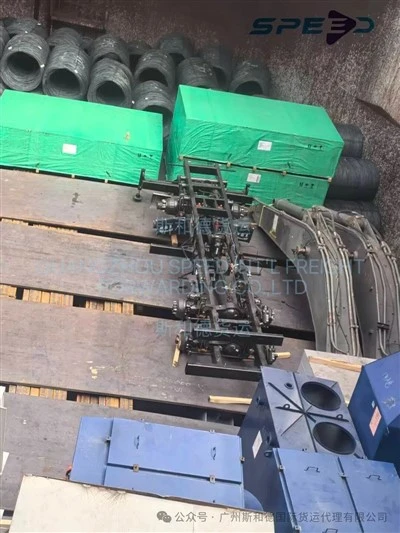
First off, let’s get one thing straight: Oog Operations (that’s upstream oil and gas, for anyone who’s new here—we roll with the shorthand) is all about keeping wells, pipelines, and processing plants running 24/7 without stopping. One hiccup? We’re looking at millions in downtime, not to mention the regulatory headaches and environmental hits. Ten years ago, we’d have a crew on site, every day, checking pressure gauges, calibrating equipment, and fixing whatever broke. That’s slow, error-prone, and expensive. Now? Automation’s handled most of the grunt work, and it’s made our Oog Operations way more reliable.
Let’s start with the big one: real-time monitoring. Back in the day, our field techs would drive out to a well pad, write down numbers on a notebook, and drive back to the office at the end of the day to input them into a spreadsheet. By then, if a pressure spike happened, it could’ve been going on for 12 hours. Now, we’ve got IoT sensors hooked up to every single piece of critical equipment—wellheads, compressors, pipeline junctions—streaming data every second straight to our control room. No more waiting. No more human mistake in writing down the wrong number. Last year, a sensor picked up a tiny pressure drop in a cross-country pipeline that our tech would’ve missed because he only visited that site every three days. We flagged the leak within two hours, fixed it before it got worse, and saved like $400k in potential cleanup and downtime. That’s the kind of win automation brings to Oog Operations.
But it’s not just about catching problems fast—its about predicting them before they even happen. Predictive maintenance is another huge one. We use machine learning models that train on years of data from our sensors: vibration levels on pumps, temperature on valves, fluid composition in pipelines. The model picks up patterns that humans can’t—like a pump’s vibration starting to spike three weeks before it’s gonna seize up, or a valve corroding faster than expected because of the gas passing through it. A couple months back, the model flagged a centrifugal pump at a processing plant that was showing early signs of wear. We scheduled a replacement during a planned shutdown, not a random emergency stop that would’ve cost way more. Before automation, we’d just replace parts on a fixed schedule, even if they still worked. Now we only touch what needs touching. That’s cut our maintenance costs by like 28% in two years, no shit.
And let’s talk about safety, because that’s non-negotiable in Oog Operations. We’ve all seen the stories of workers going into a confined space without proper checks, or climbing a crane to fix a sensor when there’s a storm rolling in. Automation has cut down on the number of high-risk tasks our crew has to do. We’ve got robotic crawlers that go into pipelines to check for corrosion instead of sending a tech in. We’ve got drone swarms that do visual inspections of well pads and flare stacks—no more someone having to climb 50 feet up a tower in windy conditions. Last quarter, a drone picked up a faulty valve seal on a flare stack that a human inspector would’ve missed because it was in a hard-to-reach spot. We fixed it before it caused a dangerous release, and no one had to risk their neck to do it. That’s the kind of impact that doesn’t show up on a spreadsheet, but matters more than anything.
Wait, but I don’t wanna act like automation’s some silver bullet—we’ve had growing pains. When we first rolled out our new system five years ago, we had old tech that didn’t play nice with the new sensors. Our crew wasn’t trained on how to use the new control software, so for the first six months, half the time we were overloading the system with false alarms. We had a tech who’d get 50 alerts a day, so he started tuning them out, and that’s when we almost missed a real issue. So for us, it wasn’t just buying the gear—it was investing in training. We do monthly refreshers, we have a team of specialists who work with our on-site crews, and we even let the techs give feedback on the system, because they’re the ones using it every day. That’s a big part of making automation work for Oog Operations, not against it.
Another thing that’s easy to overlook: efficiency in resource use. Oog Operations uses a ton of energy—all those pumps, compressors, processing plants running 24/7. The old way was to run everything at full capacity all the time, even when demand was low. Now, automation adjusts in real time. If a well’s producing less fluid, the system lowers the pump’s speed to match, so we’re not wasting energy. Or if demand from refineries is down, we slow down the pipeline flow to keep pressure stable without overworking the system. We’ve cut our energy use by like 22% since implementing that, which not only saves money but is way better for the environment. Regulators love that too—less emissions means fewer audits and less red tape.
Let’s also talk about scalability. A few years back, we took on three new well pads in a remote part of the region. Back in the day, that would’ve meant hiring 15 new crew members, putting them up in trailers, making sure they had all the gear, training them. With automation? We only had to send one part-time tech out once a week for routine checks, because the control room was already monitoring all the new sites remotely. That’s not only cheaper—it’s way faster to bring new operations online. If we get a new contract tomorrow, we don’t have to wait weeks to hire and train people; we just integrate the new sensors into our existing system, and we’re good to go. That’s the kind of flexibility that Oog Operations suppliers need to stay competitive.
But here’s the thing I always tell people: automation doesn’t replace the crew. It gives them superpowers. Our techs used to spend 80% of their time doing manual checks and data entry. Now they spend 80% of their time solving actual problems, troubleshooting, and optimizing operations. They’re not just writing down numbers—they’re analyzing data, figuring out why a pump is acting up, coming up with ways to make things better. We’ve had crew members suggest tweaks to the predictive model that ended up making it way more accurate, because they know the equipment better than anyone. Automation is a tool, not a replacement for the people who know Oog Operations inside and out.
Now, I know some of you might be skeptical. Maybe you’ve heard horror stories about automation that failed, or you think it’s too expensive to implement. Let’s be real—there’s upfront costs. Sensors, control systems, software, training—all that adds up. But when you calculate the savings from less downtime, lower maintenance costs, less energy use, and fewer safety incidents, it pays for itself in like three to four years. For us, it was a no-brainer, because we were tired of throwing money at old-school methods that were falling apart.
If you’re an Oog Operations supplier or an operator looking to upgrade, my advice is to start small. Don’t try to automate every single thing at once. Pick one part of your operation—maybe monitoring on your most critical pipelines, or predictive maintenance for your pumps. Test it, see how it works for your crew, adjust it, then expand. Trying to boil the ocean will just lead to the growing pains we had at first. Work with people who get Oog Operations, not just tech bros who think they can fix everything with code.
At the end of the day, Oog Operations is all about reliability, safety, and profitability. Automation checks all three boxes. It’s helped our team run smoother, keep our crew safer, save millions in costs, and stay competitive in a crazy market. If you’re ready to stop drowning in manual checks and start making your Oog Operations work smarter, not harder, we’d love to chat. We’ve been helping operators like you integrate automation solutions that fit your specific needs, no one-size-fits-all garbage. Hit us up to discuss how we can tailor automation to your operations and get you that next-level reliability you’ve been missing.
Special Container Shipping REFERENCES
- International Association of Oil & Gas Producers. (2022). Automation and Digital Transformation in Upstream Oil and Gas: Safety, Efficiency, and Operational Resilience.
- Deloitte. (2021). Smart Fields 2025: How Automation is Reshaping Upstream Oog Operations.
- Society of Petroleum Engineers. (2023). Predictive Maintenance and IoT Integration in Oog Operations: Case Studies from North American Well Pads.
- U.S. Energy Information Administration. (2022). Energy Efficiency Improvements in Upstream Oil and Gas via Automated Process Control.
Speed Supply Chain (Guangzhou) Co., Limited
Speed Supply Chain (Guangzhou) Co., Limited is a licensed NVOCC and first-level freight forwarder in China. With a professional team, we deliver reliable, efficient and cost-effective oog operations service for global customers. If you have any enquiry about quotation, please feel free to email us.
Address: Room 2001-2002, Dongzhao Building, No. 515 Dongfeng Middle Road, Yuexiu District, Guangzhou, Guangdong, China
E-mail: mika.li@speedsucc.com
WebSite: https://www.speedsupplychain.com/
