If you’re an RC aircraft pilot, you know that your lipo battery is the unsung hero of every flight. It’s what powers your plane’s propeller, keeps your servos responsive, and determines how long you can stay airborne—but it’s also a component that demands respect, especially when you’re using a 30C to 35C discharge rating battery. I’ve been in the RC battery industry for over eight years, and let me tell you: I’ve seen too many pilots either over-stretch their batteries, rush their charge cycles, or ignore small warning signs that lead to dead packs, damaged planes, or even safety hazards. Today, I’m breaking down the science of balancing a 30C to 35C RC lipo battery correctly, straight from someone who builds these batteries for a living. 30C-35C RC Aircraft Lipo Battery
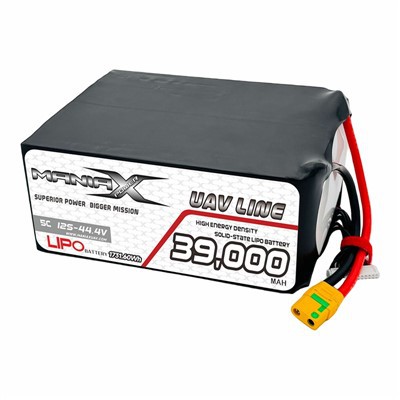
First, let’s get one thing clear: balancing a lipo battery isn’t just a “nice-to-do” step—it’s non-negotiable, especially for high-discharge packs like the 30C to 35C ones we supply. A lipo battery is made up of multiple cells connected in series, each holding a nominal voltage of 3.7V. A standard 3S lipo, for example, has three cells, so its total nominal voltage is 11.1V. When a battery is new, the cells are nearly identical in capacity and voltage, but over time, slight manufacturing variances, inconsistent charging, or repeated discharge can cause one cell to lag behind the others.
For a 30C to 35C battery, which is designed to deliver high bursts of power (think takeoffs, aerobatics, and fast climbs), even a 0.1V difference between cells can cause a massive imbalance. Let’s do the math: if one cell in a 3S pack drops to 3.5V while the others are at 3.8V, the total voltage is 11.1V, but that low cell is being over-discharged. When a cell drops below 3.0V, it’s at risk of permanent capacity loss—we’ve seen this happen so many times: a pilot skips balancing, flies a hard aerobatic session, and suddenly their pack dies mid-flight because one cell is toast. For our 30C to 35C packs, which are engineered for consistent performance, balancing ensures every cell works as hard as the others, extending the life of the pack by up to 30% on average.
So, how do you actually balance a 30C to 35C RC lipo battery? Let’s walk through every step, from pre-flight prep to post-flight care, with the science that backs each step.
First, know your equipment. You can’t balance a lipo battery if you’re using the wrong charger. Most modern RC chargers have a balance port (a small, multi-pin connector separate from the main power leads) which is designed to check and adjust the voltage of each individual cell. For our 30C to 35C packs, we recommend using a charger that can handle at least a 5A charge rate—higher chargers (up to 10A) work faster, but never exceed a charge rate of 1C for long-term pack health. Wait, 1C charge rate means you charge the battery at a current equal to its capacity (e.g., a 2200mAh pack charges at 2.2A). For 30C to 35C packs, charging at 1C or lower prevents overheating, which is critical because high-discharge batteries have thinner foils inside—too much heat damages those foils over time, reducing capacity.
Next, the pre-charge check. Before you plug in your charger, use a cell checker to measure the voltage of each cell individually. This is simple: plug the cell checker into the balance port, and it’ll display the voltage of each cell. For our 30C to 35C packs, a healthy, unbalanced pack will have cells within 0.05V of each other. If the difference is 0.1V or more, you definitely need to balance it before flying. Even if the difference is just 0.06V, balancing is still a good idea—small imbalances add up over time, especially with repeated high-discharge flights.
Now, the actual balancing step. When you plug the battery into your charger, make sure you select the “balance charge” mode, not just “fast charge” or “storage charge.” The balance mode works by sending small amounts of current to the weaker cells until all cells reach the same voltage. Here’s a key point for 30C to 35C packs: never skip the balance mode, even if you think your cells are balanced. We test every single pack we ship at our factory, but in transit or after a few flights, cells can shift. A pilot once told me he charged his 35C pack without balancing, and after three flights, one cell had dropped 0.3V—he lost his plane mid-flight because the power output dropped suddenly. Balance mode eliminates that risk.
What about after charging? Once the charger is done, let the battery rest for 10 to 15 minutes. Then, recheck the cell voltages. They should all be within 0.02V of each other for optimal performance. If they’re still off, run the balance charge again—some packs need a second pass, especially if they’ve been heavily discharged.
Wait, what about storage? Balancing isn’t just for pre-flight—you also need to balance when storing your battery long-term. For our 30C to 35C packs, we recommend storing them at a 50% charge, which is also the ideal voltage for each cell (3.85V per cell). When you get the pack back after a month of storage, plug it in to balance it before using it again. I’ve had customers store their packs fully charged, and when they took them out, the cells were unbalanced—one cell was at 4.2V (full charge) and another at 3.6V, which is a huge imbalance that can cause the pack to swell or even catch fire if not fixed.
Now, let’s talk about common mistakes pilots make when balancing their 30C to 35C packs. The first one is using a balance lead that’s damaged. If your balance lead has a bent pin or frayed wire, it can’t properly connect to each cell, so the charger won’t balance the pack correctly. Inspect your balance lead every time you use it—if you see damage, replace it. We sell replacement balance leads that are designed specifically for our 30C to 35C packs, and it’s a small investment that saves you from ruining a $50 battery.
Another mistake is balancing a pack that’s too low. If your pack’s cell voltage is below 3.0V, don’t try to balance it with a standard charger. Over-discharging a cell below 3.0V causes irreversible capacity loss, and trying to balance it can lead to overheating. If your pack is that low, charge it at a very slow rate (0.5C) first, then check the cell voltages—if they’re still imbalanced, consider replacing the pack. For our 30C to 35C packs, we have a 100-cycle warranty, but we only honor it if the pack was handled correctly, which includes proper balancing.
Also, don’t confuse balance charging with discharging. Some chargers have a “discharge” mode, which is used to bring a pack down to storage voltage. If your cells are imbalanced, you can use the discharge mode in conjunction with balance mode to even them out. For example, if one cell is at 4.2V and another at 3.7V, discharging the pack in balance mode will drain the higher cell slower, so both reach the same voltage. This is a good trick for older packs that have developed a small imbalance.
Let’s get into the science a little more to explain why this matters for 30C to 35C batteries specifically. The C-rating (discharge rate) of a lipo battery is the maximum amount of current it can deliver safely without damaging itself. A 30C pack, for example, can deliver 30 times its capacity in current (e.g., a 2200mAh 30C pack can deliver up to 66A). When cells are balanced, they all draw the same current, so the total current is split evenly, preventing any single cell from being overloaded. If cells are imbalanced, the weaker cell has to work harder to match the current, which pushes it closer to its limit, leading to heat buildup and capacity loss.
I remember a customer who was using our 35C 2200mAh packs for aerobatic flights. He was a new pilot and was skipping balancing because he thought it was a hassle. After a few months, he crashed his plane because the pack died during a rolling maneuver. When he sent the dead pack back to us for testing, we found that one cell had dropped to 2.8V—over-discharged beyond repair. The other two cells were fine, but the imbalance caused the entire pack to fail. That’s when he started balancing every time, and he’s been a repeat customer ever since.
Another key tip: label your balance leads. If you have multiple packs (say, a 30C and a 35C pack), don’t mix up their balance leads. Each balance lead is wired to match the number of cells in the pack, so using a 3S lead on a 4S pack will damage the cells. We include a label on every balance lead we ship, noting the number of cells and the C-rating, which makes it easy to keep track.
Now, what about balancing in the field? Sometimes you’re at the flying field, your charger is at home, and you need to check your pack’s balance. A portable cell checker is the solution—these are small, battery-powered devices that plug into your balance port and display each cell’s voltage. They’re cheap, easy to carry, and perfect for on-the-go checks. We recommend keeping one in your flight kit for every 30C to 35C pack you own.
Let’s also talk about how often you should balance. For regular pilots, who fly 2 to 3 times a week, balancing every 3 to 5 flights is enough. If you fly more often, or if you’re doing hard aerobatic sessions (which put more stress on the cells), balance after every flight. For seasonal pilots, who fly a few times a month, balance before each flight. And if you’re a competitive pilot, flying multiple rounds in a day, balance before every round to ensure consistent performance.
Wait, what about swelled packs? If your 30C to 35C pack is swollen, that’s a sign of cell damage, and balancing it won’t fix it. Swelling happens when gas builds up inside the cells due to overheating, overcharging, or deep discharge. If you see swelling, stop using the pack immediately—our packs are made with safety circuits to prevent this, but it’s still important to dispose of swollen batteries properly. We offer recycling for any of our packs that reach the end of their life, so you don’t have to worry about harmful materials leaching into the environment.
Let’s wrap this up with a quick step-by-step guide for balancing your 30C to 35C RC lipo battery, to make it easy to remember:
- Pre-flight Check: Use a cell checker to verify cell voltages. If the difference is over 0.05V, balance is needed.
- Inspect Equipment: Check your balance lead for damage; replace if worn.
- Charge with Balance Mode: Use a charger with balance mode, set charge rate to 1C or lower (never more than 1C).
- Rest and Recheck: After charging, let the battery sit 10 minutes, then verify cells are within 0.02V.
- Post-Flight Care: After flying, charge to 50% (3.85V per cell) and balance if needed before storage.
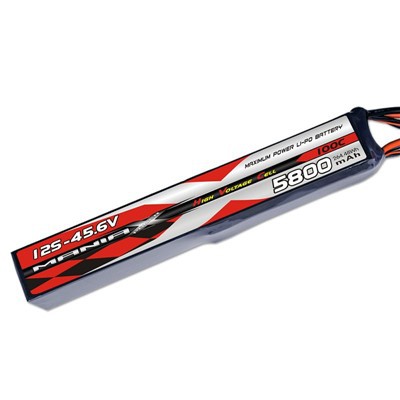
If you’re tired of dealing with unbalanced packs, dead batteries mid-flight, or planes damaged by power failures, we can help. As a supplier of high-quality 30C to 35C RC aircraft lipo batteries, we build every pack with precision-tested cells and reinforced construction to handle the rigors of high-discharge flight. We work with hobbyists, competitive pilots, and small RC teams to provide reliable, long-lasting packs that perform when you need them. To learn more about our product line or discuss bulk orders for your fleet, reach out to our team for personalized guidance.
Lipo Battery Safe Bags References
- LiPo Battery Safety and Handling Guidelines, Academy of Model Aeronautics
- RC LiPo Cell Balancing: Best Practices, Battery University
- Performance Metrics for High-Discharge LiPo Batteries, Journal of Model Aircraft Technology
- Lipo Battery Maintenance for Extended Lifespan, RC Hobby Industry Association
ManiaX Power Technology Co., Ltd.
ManiaX Power Technology Co., Ltd. is one of the most reliable 30c-35c rc aircraft lipo battery manufacturers and suppliers in China, also supports customized service. Please feel free to wholesale bulk durable 30c-35c rc aircraft lipo battery made in China here from our factory.
Address: Room 1508, 15/F, Two Grand tower, 625 Nathan Road, Kowloon, HongKong. P.R. China
E-mail: info@maniax-power.com
WebSite: https://www.maniaxpower.com/
