As a Textilene fabrics supplier, one of the most common questions I get from our clients—whether they’re manufacturing outdoor furniture, marine gear, or patio awnings—is “What is the density of Textilene Fabrics?” It’s a fair question, too. Density isn’t just a random number on a spec sheet; it’s what determines how durable, breathable, and effective a fabric will be in real-world use. I’ve been working with Textilene for over 12 years, sourcing it directly from manufacturers and helping brands choose the right weight for their projects, and I’ve learned that there’s no one-size-fits-all answer to that density question. Let me break this down clearly, from what Textilene is at its core, to how density is measured, to why it matters for your specific application. Textilene Fabrics
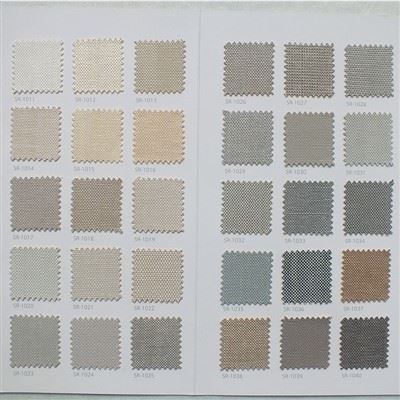
First, let’s get the basics straight for anyone who might be new to Textilene. It’s not a random outdoor fabric—it’s a brand name for a type of woven polyester fabric, specifically engineered with PVC coating for extra strength and weather resistance. Unlike plain polyester, which can stretch or fade easily in sun and rain, Textilene is designed to hold up against UV rays, mold, mildew, and saltwater, which is why it’s the go-to for everything from patio sling chairs to boat bimini tops. The key to its performance is the weave, the coating, and most importantly, its density. Now, when people ask about density, they’re usually referring to one of two measurements: fabric weight (in ounces per square yard, or grams per square meter) and thread count (number of threads per square inch, or TPI). These are related but not the same, and both play a big role in how Textilene behaves.
Let’s start with the most common measurement our clients ask about: fabric weight. For Textilene, standard weights range from 9 ounces per square yard (oz/yd²) up to 22 oz/yd², with some specialty heavy-duty blends going even higher. To put that in perspective, a 9 oz Textilene is roughly the weight of a thick cotton canvas, while a 22 oz version is as heavy as a medium tarpaulin. But here’s the thing: weight alone doesn’t tell the whole story. Two fabrics with the same weight can have different densities because their thread count or weave tightness varies. A 9 oz Textilene with 50 threads per square inch will be much denser and more durable than a 9 oz fabric with only 30 threads per square inch, even though they weigh the same. That’s why we always look at both weight and thread count when recommending a Textilene for a client’s project.
Thread count, or the number of warp and weft threads per square inch, is another critical density metric for Textilene. The warp threads run lengthwise along the fabric bolt, and the weft threads run crosswise, woven over and under the warp. For Textilene, standard thread counts range from 30×30 (30 warp, 30 weft) for lighter, more flexible fabrics, up to 60×60 or even 72×72 for heavy-duty, high-density versions. A 72×72 thread count means there are 72 threads in each direction per square inch, creating a much tighter, more uniform weave. This tight weave is what makes high-density Textilene resistant to water penetration—rain beads off the surface instead of seeping through—and more resistant to tearing and abrasion. I remember a client a few years back who tried to save money by going with a lower thread count Textilene for commercial patio furniture. Within a year, the fabric was snagged and worn thin from regular use, whereas the higher density version we recommended to a competitor down the street is still going strong after three years. That’s the difference density makes.
Now, why does density matter for different applications? Let’s walk through the common uses of Textilene and what density works best for each. For lightweight, flexible applications like removable patio chair cushions or beach umbrellas, a lower density Textilene in the 9-12 oz/yd² range, with a 30×30 to 40×40 thread count, is ideal. It’s light enough to fold and store, breathable enough to keep users cool in hot weather, and still durable enough for occasional outdoor use. I recently supplied a batch of 10 oz/yd² Textilene to a small business making foldable beach loungers, and their customers have commented on how the fabric doesn’t get too hot even in direct sun—perfect for that use case.
For medium-duty applications like permanent patio slings, deck awnings, or boat cockpit covers, we recommend a mid-density Textilene: 14-18 oz/yd², with a 50×50 to 60×60 thread count. This strikes a balance between durability and flexibility. It’s thick enough to resist UV fading and minor abrasion from foot traffic or moving boat parts, but not so heavy that it’s hard to work with when installing awnings or reupholstering furniture. Most of our residential furniture clients choose this density range because it lasts 5-10 years with proper care, which is a big step up from generic polyester fabrics that might only last 2-3 years.
Then there’s heavy-duty Textilene, the 20-22 oz/yd² range with 60×60 to 72×72 thread count, which is designed for high-stress applications: commercial restaurant patio furniture, industrial equipment covers, marine bimini tops that are exposed to constant sun and saltwater, or even military-grade gear. This density is incredibly resistant to tearing, abrasion, and water. A 22 oz Textilene will not only block 100% of water from penetrating (if it’s coated properly) but will also withstand repeated rubbing against metal frames or rough surfaces without wearing thin. We supplied a large order of this heavy density fabric to a chain of coastal resorts in Florida, and they report that their outdoor dining sets are holding up twice as long as the generic fabrics they used before.
Wait, but I should address a common misconception here: higher density doesn’t always mean better. There’s a point where too much density makes the fabric stiff, hard to work with, and less breathable. For example, if you use a 22 oz heavy density Textilene for a beach umbrella, it will be too heavy to fold, and the tight weave will trap heat, making the umbrella feel stuffy instead of cooling. That’s why we work with every client to match density to their specific needs: how often the product will be used, what environment it’s in, whether it needs flexibility, breathability, or maximum durability.
Another factor that affects Textilene density is the PVC coating. Textilene fabrics are coated on both sides with a PVC layer to boost water resistance and durability, and the thickness of that coating adds to the overall density. A standard coating is 10-15 mils thick, while heavy-duty coatings can be 20 mils or more. The coating also makes the fabric resistant to mildew and stains—something that’s extra important for outdoor use. I always tell clients that when comparing Textilene products, don’t just look at weight or thread count; ask about the coating thickness too, because that’s a big part of the fabric’s overall density and performance.
Let me share a story that illustrates how density can make or break a product. A few years ago, a client came to us with a problem: they had been manufacturing outdoor sofas with a competitor’s Textilene, and every batch was developing holes after 18 months of use. They sent us a sample, and when I measured its density, it was only 8 oz/yd² with a 28×28 thread count—way lower than the standard for outdoor furniture. It was a lighter fabric, sold at a lower price, but it wasn’t engineered for regular outdoor exposure. We supplied them with 16 oz/yd² mid-density Textilene, and a year later, they came back to place a repeat order, saying their product complaints had dropped by 90%. That’s the real value of understanding Textilene density: it’s not just a spec number, it’s a predictor of how long your product will last and how satisfied your customers will be.
As a supplier, we make sure to clearly label the density of every Textilene fabric we carry, but we also take the time to explain what that density means for each client’s project. For example, a new brand launching a line of budget patio chairs might be tempted to go for the lightest, cheapest Textilene, but we’ll walk them through the trade-offs: lower density means lower cost, but also shorter lifespan, more maintenance, and higher customer returns. On the other end, a commercial client who needs furniture that will last 10 years in a high-traffic, salty environment will want the highest density Textilene available, even if it’s a bit more expensive upfront. The long-term savings from not having to replace furniture every few years always add up.
I should also mention that density can vary slightly between manufacturers, even for the same nominal weight. That’s why it’s important to source Textilene from a reliable supplier who uses consistent production methods. Cheap knockoff Textilene from overseas might claim to be 16 oz, but when you weigh it, it’s closer to 12 oz, with a much looser thread count. These inconsistencies are a common source of problems for clients who don’t work with a trusted supplier. At our company, we test every batch of Textilene we receive to confirm its density (both weight and thread count) before we offer it to clients, so you can be sure you’re getting the exact fabric you’re paying for.
Now, let’s talk about how to calculate density if you’re ever verifying a Textilene fabric yourself, just to be sure. To find the fabric weight, you can cut a 1-square-yard sample (or a 1-meter square sample, if using metric) and weigh it in ounces or grams. For thread count, you can stretch a small section of fabric over a light box or window, then count the number of warp and weft threads in a 1-inch square (or 1-centimeter square) using a magnifying glass. Keep in mind that the PVC coating will add a small amount to the weight, but the thread count is still a good measure of weave tightness. For most of our clients, though, they don’t need to do this themselves—we provide all the density specs upfront, and we’re happy to send samples so they can see and feel the fabric for themselves.
I’ve been in this industry long enough to know that when it comes to Textilene, density is one of the most important factors to get right. Too low, and your product will fall apart too soon; too high, and you’re paying for features you don’t need, or a fabric that’s too stiff for your use case. That’s why we don’t just sell Textilene fabrics—we partner with our clients to understand their needs, recommend the right density, and provide a high-quality product that delivers on its promise. If you’re in the market for Textilene fabrics for your next project, whether you’re a small furniture maker, a resort, a boat manufacturer, or anyone else looking for durable outdoor fabric, we can help. We offer a range of densities from lightweight to heavy-duty, and we’ll work with you to find the perfect fit for your budget and performance requirements.
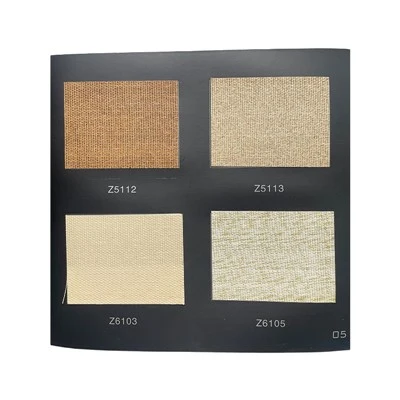
Don’t hesitate to reach out to us to discuss your Textilene fabric needs, request samples, or get a custom quote. We’re here to make sure you get the right density fabric for your project, so your products stand the test of time.
Textilene Fabrics References
- Textile Institute. (2018). Outdoor Textiles: Performance and Durability. The Textile Institute, Manchester, UK.
- ASTM International. (2020). Standard Test Methods for Measuring Fabric Weight and Thread Count. ASTM D3776, ASTM D3822.
- Outdoor Industry Association. (2021). Guide to Technical Fabrics for Recreational and Commercial Outdoor Use. Outdoor Industry Association, Boulder, CO.
- Textilene Brand Documentation. (2019). Technical Specifications for Textilene Woven Polyester-PVC Blends. National Association of Architectural Metal Manufacturers.
Nanping Kingway New Material Co., Ltd.
As one of the most professional textilene fabrics manufacturers and suppliers in China, we also support customized service. With abundant experience, we warmly welcome you to wholesale durable textilene fabrics in stock here from our factory. If you have any enquiry about pricelist, please feel free to email us.
Address: No. 10, Chengnan Branch Road, Chengjiao Town, Nanping, Fujian, China.
E-mail: npjwxcl@aliyun.com
WebSite: https://www.suernew.com/
