Let’s keep it real — if you’re running events, a bar, a church, or even a small production studio, you’ve probably stared at your LED Par lights at 2 a.m. when a set’s wrapping up and thought, “Wait, do these things even need any love?” I’m an LED Par light supplier, so I field this question at least 3 times a week — from newbies who just bought their first batch for a house party regular, to techs who’ve been wrangling stage gear for 10+ years. The short answer? Yeah, they need maintenance — but it’s nothing like the headache that comes with old-school PAR cans (you know, the ones that blew bulbs every 20 minutes and oozed hot gunk if you jostled ‘em wrong). Let’s break this down like we’re geeking out over gear at a backstage smoke break, no jargon, no fluff. LED Par Light
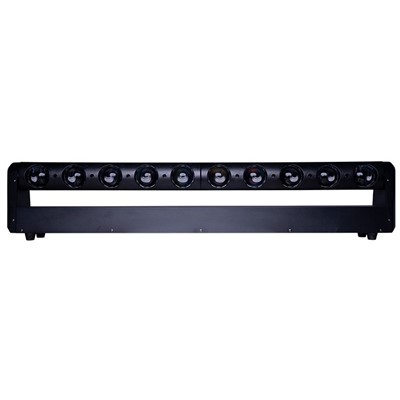
First, let’s get one thing straight: LED Pars are way more durable than their incandescent or halogen ancestors. Those old PARs had a single bulb that acted as the whole light source — if it died, your whole unit was useless, and you were rooting through a bin of spares mid-set. LEDs? The light comes from a grid of tiny diodes, so even if one burns out, you still get 90% of the brightness. But that doesn’t mean they’re invincible. Skip the small stuff, and you’ll be replacing your entire batch way earlier than you should, or worse, dealing with weird glitches mid-gig that nobody can figure out.
Let’s start with the low-lift, daily stuff that takes 5 minutes tops. No, this isn’t a full teardown — just basic care that keeps ‘em running smooth. First: blow out the dust. I see so many clients yank a PAR from a truss after a weekend of gigs and see it covered in a layer of fog, stage grime, and even bug guts (yes, bugs fly into truss-mounted lights — trust me, I’ve seen photos). That gunk builds up on the lens and the heat sinks, and here’s the secret no one tells you: LEDs run on heat. If the heat sink’s clogged, the diodes can’t dissipate the warmth they make, and that kills their lifespan way faster. A LED that’s supposed to last 50,000 hours? Cut that to 10,000 if you never clean the dust. Use a can of compressed air (not a rag — you’ll scratch the lens) to blast the grime off the heat vents and the front lens. Do this after every 2-3 uses, or at minimum once a month if your lights are sitting in storage.
Next, check the connections — both power and DMX, if you’re using that. Nothing kills a set faster than a random blackout because a cable got tugged loose between the power outlet and the PAR. I’ve had a client call me panicking because their DMX cable got stepped on during a band’s soundcheck, so half their LED Pars were stuck on red, and the rest didn’t work. Grab each cable, give ‘em a little tug to make sure they’re locked in — the locking tabs on DMX and power cables aren’t just for show. Also, skip the cheap extension cords. I see people pick up a 50ft cord from the dollar store because it’s $5, but that cord can’t handle the wattage a LED Par pulls, and it causes voltage drops that make the lights flicker. That’s not a “manufacturing defect” — that’s user error.
Now, the stuff you should do every 3-6 months, depending on how hard you use your lights. First, test for dead diodes. Most LED Par lights have a built-in menu that lets you cycle through each color channel and turn each individual diode on. Run that test when you’re setting up for a big gig — it only takes a minute, and if a diode’s out, you can either swap the LED module (if your unit is modular) or just keep it in a spot where it’s not super noticeable. No one’s gonna notice one dim diode in a wash light, but if it’s a spot light, you wanna catch that before you’re on stage in front of 500 people. Also, if your lights are weatherproof (a lot of our clients get IP65 rated ones for outdoor events), do a quick check of the seals around the lens and the back panel. Outdoor moisture can seep in if the seal’s cracked, and that’s a quick way to short out the driver (the part that powers the LEDs).
Here’s a big one people miss: storage care. If you’re not using your LED Pars for a while — say, over the off-season for a theater, or a club that’s closed for a month — don’t just shove ‘em in a corner. First, clean ‘em super well (you don’t want grime eating at the housing while it’s sitting). Then, turn ‘em on once every 4-6 weeks for 2-3 hours. Why? The capacitors inside the driver dry out if they sit unused for too long, and that’s a $20 part to replace, instead of $100+ for a whole new unit. I had a client a couple years ago who stored his 10 LED Pars for 8 months after a festival season, and when he turned ‘em on, 7 of the drivers were dead. He skipped the storage check, so he ended up paying way more than he would’ve for the small maintenance steps.
Wait, let’s bust a myth here: some people think LED Pars never need any maintenance because they’re “solid state.” Solid state means no moving parts, right? But even solid state parts get beat up. Heat sinks can get bent if you knock a light off a truss (even a small bend blocks airflow), lenses can get scratched if you set heavy stuff on top of ‘em, and drivers can die from voltage spikes. Oh, voltage spikes — that’s another one. If you’re running lights on a shared circuit, or you’re in an area with bad power, a spike from a mic or a speaker can fry your LEDs. A simple surge protector for each light is a $10 investment that saves you hundreds in repairs.
Now, what about when to call in a pro? Most small stuff you can do yourself, but if you’re seeing weird stuff like inconsistent color output, or the lights are making a weird buzzing noise, that’s not normal. I get clients who say “my LED Par is half blue, half purple” — that’s usually a bad diode or a failing driver, and you can’t fix that with a compressed air blast. Don’t try to take the whole unit apart yourself unless you’re familiar with electronics — you can accidentally break a tiny part that’s way more expensive than a professional repair. Our team actually offers maintenance checks for clients who buy their LED Pars from us, but even if you didn’t, just reach out — we’re always happy to point you in the right direction.
At the end of the day, maintenance for LED Pars is all about being consistent, not complicated. It’s way less work than maintaining old PAR cans, and it extends the lifespan of your lights so you don’t have to replace ‘em every year. If you’re still on the fence about adding maintenance to your gear routine, think of it like changing the oil in your car — you don’t skip it, because you don’t wanna end up stranded on the side of the road. The same goes for your lights: a 5-minute clean now saves you hours of fixing issues mid-gig, and a few small checks a quarter save you from costly repairs.
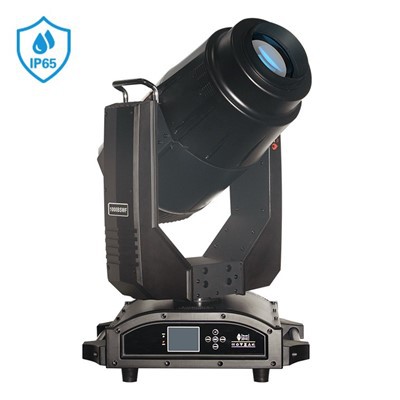
If you’re in the market for LED Par lights, or you have a batch that’s been acting up and you need a hand with maintenance or repairs, don’t hesitate to reach out. We’ve been working with all kinds of users — from small bar owners to big production companies — and we know exactly what works for different use cases. Just get in touch to chat through your needs, and we’ll hook you up with the right gear and tips to keep your lights running strong for years.
Moving Head Beam Light References:
- Lighting Manufacturer’s Association. (2022). LED Stage Light Maintenance Best Practices.
- Energy Star. (2021). LED Lifespan and Performance: The Impact of Environmental Conditions.
- Professional Lighting and Sound Association. (2023). Stage Gear Storage and Care Guidelines.
Guangdong New Start Lighting Co., Ltd.
Guangdong New Start Lighting Co., Ltd. is one of the most professional led par light manufacturers and suppliers in China. Welcome to wholesale durable led par light in stock here and get quotation from our factory. All customized products are with high quality and competitive price.
Address: No.2, Hubin Road, Jiaoxin Village, Shimen Street, Baiyun District, Guangzhou, Guangdong, China
E-mail: newstartkate@gmail.com
WebSite: https://www.newstartlighting.com/
