If you’ve worked with quick lime powder (calcium oxide, or CaO) for any length of time, you know it’s a workhorse material—used in construction, water treatment, agriculture, and even industrial waste processing. But I also know, from 12 years as a quick lime powder supplier, that many of our clients (from small-scale construction crews to mid-sized municipal water treatment teams) struggle with what to do with leftover, unused, or contaminated powder. It’s not just a “throw it in the trash” material, and mismanaging it can lead to burns, air contamination, or even environmental harm. Over the years, I’ve walked dozens of customers through their disposal processes, and I’ve seen firsthand how following the right steps keeps teams safe, avoids regulatory fines, and even cuts down on unnecessary waste. Today, I’m breaking down exactly how to dispose of quick lime powder safely, from the moment you realize you have excess to the final step that keeps everyone and everything protected. Quick Lime Powder
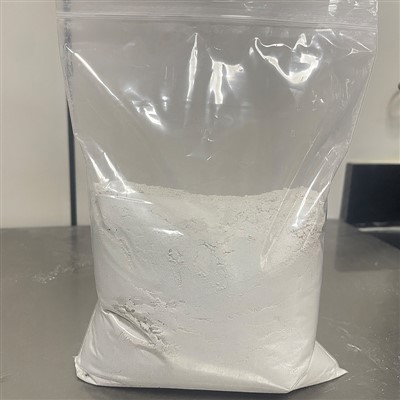
First, let’s get one critical fact straight: quick lime is not regular lime. What most people call “agricultural lime” is calcium carbonate, a mild, non-reactive material you can spread on soil without a second thought. Quick lime is calcium oxide, and it’s highly reactive with water—including the moisture in your skin, your eyes, or even the air. When CaO mixes with H2O, it undergoes an exothermic reaction that produces calcium hydroxide (slaked lime) and releases enough heat to cause thermal burns. That’s why the first rule of safe handling, and safe disposal, of quick lime is to never let it come into contact with unprotected skin or surfaces that hold moisture. If you’re holding leftover quick lime powder, the first thing I always tell my clients is to pause before doing anything else—don’t dump it, don’t sweep it up into a regular trash bag, and don’t pour it down a drain. Even a small spill can lead to a reaction that creates a hazard, so you need to assess the amount and condition of the powder first.
Let’s start with the most common scenario: leftover unused quick lime powder that’s still in its original packaging, unopened, or sealed tight after partial use. A lot of our clients will hoard this powder for months, thinking they’ll use it for a future project, but then they end up with stacks of bags in a corner of the warehouse that never get touched. Here, safety starts with proper storage before you even think about disposal. If you’ve got sealed, unused quick lime, check the packaging for the expiration date (most industrial-grade powder has a 12-month shelf life, though it can degrade faster if exposed to humidity). If it’s within that window and still sealed, the best disposal option for most people is to repurpose it. Quick lime is versatile: it can be used for pH adjustment in wastewater treatment, as a concrete additive for small repair jobs, or even as a drying agent for wet or musty storage spaces. I had a customer last year who had 50 unused bags of quick lime left from a road project, and instead of paying for disposal, he used half of it to dry out a flooded construction lot and sold the remaining bags to a local farm that uses quick lime to sanitize animal pens. It’s a win-win—you avoid disposal costs, and you prevent excess powder from ending up in a landfill where it could cause harm.
That said, if the powder is expired, or if the packaging is damaged and the powder has started to absorb moisture (you’ll notice it clumping together instead of being a fine, dry powder), then you can’t repurpose it, and you need to move to the next step. Damaged or clumped quick lime is a sign it’s already started reacting, which means it’s less effective and more likely to cause harm if mishandled. For this type of powder, the first critical step is containment. Never leave spilled or contaminated quick lime exposed to open air for long—if you have a small spill (less than 50 pounds), use a dry, non-combustible material like sand, dry earth, or vermiculite to cover it. Never use water to clean up a spill on your own, no matter how small. I’ve seen too many crews grab a hose to rinse off a quick lime spill on a concrete floor, only to have the heat from the reaction crack the concrete or burn a worker’s hands because the powder splashed back. For larger spills (over 50 pounds), put on full PPE first: goggles that cover your entire face, a dust mask rated for crystalline silica (quick lime dust is a respiratory irritant), heavy-duty rubber gloves that extend past your wrists, and coveralls that are closed at the neck and wrists. Do not attempt to move large quantities of spilled powder without PPE—even a small cloud of dust can irritate your lungs for days. Once you’ve contained the spill with dry material, scoop the mixture into a heavy-duty plastic or metal container with a tight lid. Do not use paper or lightweight plastic bags—they can tear, and the powder can seep through, especially if it’s reacted.
Once you’ve contained your excess quick lime powder, whether it’s sealed unused or cleaned up from a spill, you need to figure out the legal and safe way to get rid of it. Here’s the part that surprises most people: quick lime is classified as a hazardous material in many regions, depending on the amount and its reactivity. That means you can’t just put it in your regular household trash or even your business’s municipal waste bin. The first thing to do is check your local and state environmental regulations. For example, in the United States, the EPA classifies calcium oxide as a hazardous substance if it’s present in quantities that could cause environmental harm, and many local waste management companies will not accept it in standard waste streams. In the EU, similar regulations require that quick lime waste is disposed of at a licensed hazardous waste facility. As a supplier, I always provide our clients with a copy of our safety data sheet (SDS) for quick lime powder, which has guidance on disposal that aligns with local regulations—if you don’t have an SDS from your supplier, ask for one before proceeding, because it will have specific details for your region.
Now, let’s talk about disposal at licensed facilities, which is the most common and safest option for unused or reacted quick lime powder. When you contact a hazardous waste disposal company, be upfront about the material: tell them it’s quick lime powder, its quantity, and whether it’s reacted (clumpy) or still dry. Do not try to pass it off as another non-hazardous material—this can lead to fines if the facility tests it, and it’s unsafe for their workers. A reputable disposal company will have trained staff and equipment to handle quick lime properly, usually by neutralizing it before sending it to a landfill. Wait, neutralization—let’s clear that up. Some guides tell you to neutralize quick lime yourself before disposal, but that’s a bad idea for non-professionals. The reaction of quick lime with water produces high heat, and if you do it in an unregulated space, you can start a fire, or generate calcium hydroxide that’s still corrosive. A licensed facility has the equipment to add water in controlled amounts, cool the mixture, and stabilize it so it can be safely landfilled. This is far safer than attempting to neutralize it on your own, especially for quantities over 100 pounds.
There is one exception to the licensed disposal rule, and it applies to very small quantities (less than 5 pounds) of unused, unreacted quick lime powder that’s in sealed packaging. For example, if you used a 5-pound bag for a small concrete repair and have a quarter of a pound left, most local waste companies will accept this in your regular non-hazardous trash, as long as it’s sealed in a plastic bag to prevent dust from getting into the waste stream. But even here, I recommend checking with your local waste management first—some areas have strict rules even for small amounts, and it’s better to be safe than sorry. I once had a small construction client who dumped a 3-pound leftover bag of quick lime in his regular trash, and the waste company’s equipment sparked off a small reaction when it mixed with other materials, leading to a fire in their compactor. He had to pay thousands in damages, all because he didn’t call first. That’s the kind of story I never want a customer of mine to go through.
Another important point to consider is environmental disposal, if you’re using the powder for a purpose that allows controlled release (like soil amendment). If you’re in agriculture, for example, and you have excess quick lime that’s still non-reactive and pure, you can dispose of it by applying it to soil at the recommended rate for pH adjustment. But again, this comes with rules: never apply quick lime near surface water, because it can raise the pH of rivers or lakes and harm aquatic life. Never apply it to frozen soil or before heavy rain, because it can run off into water sources. And always follow local agricultural guidelines for application rates—too much quick lime can make soil too alkaline, which is just as harmful as too little.
Let’s also talk about mistakes I’ve seen that you need to avoid at all costs. First, never dump quick lime powder down a drain or toilet. Even a small amount can react with the moisture in the pipes, producing heat that can melt PVC pipes or corrode metal pipes, leading to expensive plumbing repairs. Second, never burn quick lime powder. It’s not combustible, but mixing it with other materials in a fire can produce toxic fumes. Third, never store leftover quick lime powder in a damp space. Even a few days of exposure to humidity can cause it to react, making it harder to dispose of safely. Fourth, never reuse packaging that’s held quick lime. Paper or plastic bags that held quick lime will have residue, so they need to be disposed of as hazardous waste too.
As a quick lime powder supplier, my job isn’t just to sell high-quality product—it’s to make sure our customers use it safely, including when they no longer need it. That’s why we provide free disposal guidance with every bulk order, and we even work with licensed hazardous waste facilities to offer our clients discounted rates for disposal, because we know how much of a hassle it can be to figure out the right steps. If you’re a contractor, a municipal worker, a farmer, or any other professional who works with quick lime powder and has leftover material you need to dispose of, don’t guess or take shortcuts. Reach out to a trusted supplier for guidance, check your local regulations, and prioritize safety for your team and the environment.
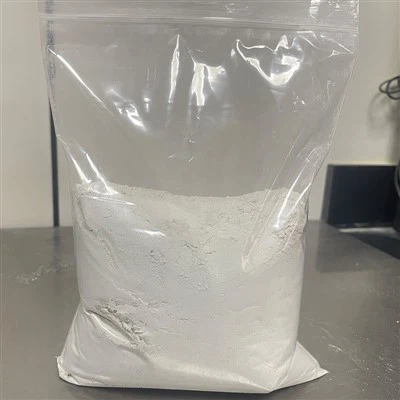
Disposing of quick lime powder doesn’t have to be stressful if you follow the right steps: assess the amount and condition of the powder, repurpose it if possible, contain it properly with full PPE, check local regulations, and use licensed facilities for large or reacted quantities. Skip the DIY neutralization, skip the regular trash, and don’t cut corners. For all your quick lime needs, whether you’re purchasing product for a project or need help with safe disposal of excess material, we’re here to assist.
Calcium Carbonate Powder References
- Occupational Safety and Health Administration (OSHA). Calcium Oxide Safety and Health Guidelines.
- U.S. Environmental Protection Agency (EPA). Hazardous Waste Classification for Industrial Lime Products.
- American Conference of Governmental Industrial Hygienists (ACGIH). Threshold Limit Values for Respiratory Irritants in Quick Lime Dust.
- International Lime Association (ILA). Safe Handling and Disposal Practices for Calcium Oxide Powders.
Chaohu Jirun Energy Conservation and Environmental Protection Technology Co., Ltd.
We’re well-known as one of the leading quick lime powder manufacturers and suppliers in China, also support customized service. Welcome to wholesale high quality quick lime powder in stock here from our factory. If you have any enquiry about pricelist, please feel free to email us.
Address: No. 9, north of the intersection of Weihai Road and Weili Avenue, within the industrial park of Yinping Town, Chaohu City, Hefei City, Anhui Province.
E-mail: 13305654485@163.com
WebSite: https://www.chaohujirun.com/
