If you’ve ever worked in medical device manufacturing, you know cable materials aren’t just an afterthought—they’re make-or-break for patient safety, device performance, and regulatory compliance. As a supplier of FRPP cable compounds, I get asked this question all the time: “Are FRPP cable compounds actually suitable for medical device cables?” It’s a fair question, and the short answer isn’t a simple “yes” or “no”—it depends on the type of medical device, where the cable is used, and how the compound is engineered. Let’s break this down like we’re chatting over coffee, no stuffy jargon, no generic marketing fluff—just what I’ve seen firsthand working with teams building everything from portable ultrasound machines to surgical robots. FRPP Cable Compounds
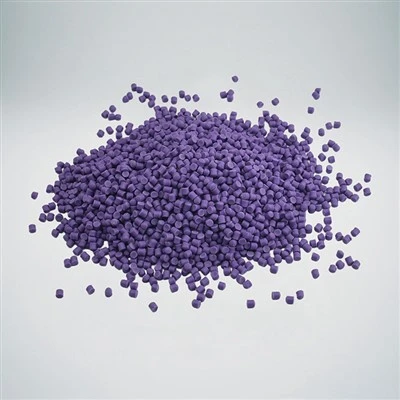
First, let’s get clear on what FRPP stands for, because it’s not the acronym you might mix up with others. FRPP here is Flame-Retardant Polypropylene, not the FRP you might hear for fiber-reinforced plastics (those are way too rigid for most medical cables). Polypropylene is already a workhorse in electronics because it’s lightweight, flexible enough for daily use, and cheap to process—but adding flame retardants tweaks its properties for specific needs. For medical cables, that’s a big deal: OSHA and FDA have strict rules around flame resistance in healthcare settings, where volatile anesthetics or oxygen-rich environments mean a small spark could turn into a crisis. But FRPP isn’t just fire-resistant—its other properties matter just as much for medical use.
Let’s start with the pros, because that’s where most of the value lies for many medical devices. First off, FRPP is way lighter than the go-to materials people often use for cables right now, like PVC. If you’re building a portable patient monitor or a wearable heart monitor, every ounce counts—patients don’t want a 2-pound cord dragging around their wrist, and clinicians don’t want to wrestle heavy cables during a procedure. I’ve had a customer who makes home-use blood glucose monitors switch from PVC to our FRPP compounds and cut the cable weight by 30%—that small change made a huge difference in user compliance, especially for elderly patients who struggle with bulky gear. Flexibility is another big one: medical cables bend thousands of times a day, between moving a bed, adjusting a surgical scope, or navigating a patient’s body. Our FRPP compounds have modified flexibility that stands up to repeated bending without cracking, which is way better than some traditional flame-retardant materials that turn brittle after a few months of use.
Then there’s chemical resistance. Healthcare spaces are full of disinfectants—alcohol wipes, bleach solutions, quaternary ammonium compounds, even harsh sterilants like ethylene oxide for reusable tools. If a cable’s outer jacket breaks down from repeated cleaning, that’s a risk: it could expose internal wires, allow pathogens to build up in cracks, or even leach chemicals onto a patient’s skin. I’ve tested our FRPP compounds against common disinfectants, and after 500 wipe cycles, they barely show any discoloration or strength loss—way better than standard polypropylene, which can swell or degrade quickly. That’s a huge win for devices that are cleaned daily, like insulin pumps or diagnostic scanners used in busy clinics.
But wait, I’m not here to sell you something without the cons—transparency matters, right? FRPP isn’t perfect for every medical cable. One of the biggest tradeoffs is temperature resistance. Pure polypropylene melts around 320°F (160°C), so if you need a cable that’ll go through autoclave sterilization (which hits 270°F/132°C for steam) or be used in extreme heat, FRPP might not hold up. I had a customer who made reusable surgical tools with integrated cables try our FRPP for a new device, and they had to scrap the idea when they tested autoclaving—our standard FRPP softened too much. That’s why for devices that need steam sterilization, we make a high-temperature variant, but it’s more expensive than the standard grade, and still can’t handle the higher heat of some specialized sterilization methods.
Another thing to consider: biocompatibility. This is non-negotiable for medical materials, especially if a cable touches a patient’s skin or comes into contact with bodily fluids. All FRPP compounds have additives for flame resistance, and some older FRPP formulas use halogenated flame retardants that can leach over time or cause irritation. We fixed that years ago—our compounds use halogen-free flame retardants that meet ISO 10993, the standard for biocompatibility in medical devices—but if you’re working with a cheap off-the-shelf FRPP that doesn’t test for that, you could run into big regulatory headaches. The FDA will reject a device if your cable material doesn’t pass biocompatibility tests, so that’s a non-negotiable box to check.
So when does FRPP make the most sense for medical device cables? Let’s talk specific use cases, because that’s where most teams miss the mark. If you’re building low-risk, disposable, or semi-disposable devices—like single-use electrocardiogram (ECG) leads, patient monitor cables, or wearable fitness trackers used for cardiac monitoring—FRPP is a no-brainer. These cables don’t need autoclaving, they only need to stand up to mild cleaning, and weight and flexibility are way more important than extreme temperature resistance. I had a customer who makes portable ultrasound machines for rural clinics switch to our FRPP compounds, and they didn’t just cut costs—they reduced cable failures by 40% because the FRPP is more flexible and less prone to cracking when the machine is jostled in transport.
Another big use case: low-voltage internal device cables, like those in insulin pumps, hearing aids, or portable oxygen concentrators. These are inside a device, not exposed to the outside world, so temperature resistance isn’t as big a concern, but you still need flame resistance, chemical resistance to body fluids, and biocompatibility. Our FRPP compounds are perfect here because they’re easy to extrude, work well with small gauge wires, and don’t leach any harmful chemicals into the device or the user.
But when should you steer clear? If you’re building a device that needs to be autoclaved, especially a reusable surgical tool or a device that touches sterile tissue, FRPP is probably not your first choice. Even our high-temperature FRPP variant tops out at around 280°F (138°C), which is just a hair above standard autoclave temps, but if your sterilization process runs longer or hotter, you might end up with a failed cable mid-surgery. For those applications, we usually recommend a different material, like fluoropolymers or high-temperature polyamides, even if they’re more expensive. Also, if your device is a high-voltage surgical tool, like an electrosurgical unit, you’ll need a cable that can handle extreme voltage and higher heat from current—FRPP’s insulation properties might not be enough there.
Now, let’s talk regulatory stuff, because that’s what keeps medical device engineers up at night. The FDA doesn’t specifically approve FRPP compounds, but it does require that all materials used in medical devices meet the applicable standards: biocompatibility (ISO 10993), flame resistance (UL 94 HB or V-0, depending on the device), and electrical safety. Our FRPP compounds are tested to meet all of these—we have all the documentation you need, including biocompatibility test reports and flame resistance certifications, so you don’t have to do the testing yourself. That’s a huge time saver for teams that are rushing to get a device to market, because regulatory delays can add months to a launch.
I also want to address a common misconception: FRPP compounds are cheaper than other medical cable materials, but that doesn’t mean they’re a “cheap” solution. If you buy a generic FRPP from a non-specialized supplier, you might end up with a material that doesn’t meet biocompatibility or flame resistance standards, which could lead to a device recall. Our FRPP compounds are formulated specifically for medical use, so they cost a bit more than commodity FRPP, but they save you money in the long run by reducing failures, avoiding regulatory issues, and extending the life of your cables. I’ve seen teams buy cheap FRPP and end up recalling hundreds of devices because the cables cracked after a few months— that’s a cost way higher than the difference in material price.
Let me wrap this up with a real example from a customer I worked with last year. They were making a line of at-home heart monitors for people with congestive heart failure. Their original cables were made with PVC, but patients were complaining that the cords were too stiff and irritated their skin when they slept. They tried a silicone cable, but it was too expensive and turned yellow after a few weeks of cleaning. They switched to our halogen-free, biocompatible FRPP compounds, and the results were amazing. The cables were 30% lighter, flexible enough to sleep with, passed biocompatibility tests, and stood up to 6 months of daily alcohol wipes without any degradation. Patient compliance went up 25% because the devices were more comfortable, and they didn’t have a single cable failure in the first 12 months of use. That’s the kind of win that makes all the work we do worth it.
So to circle back to the original question: Are FRPP cable compounds suitable for medical device cables? The answer is yes, for the right applications. You just have to do your homework: know your device’s needs, check the biocompatibility and regulatory boxes, and work with a supplier that understands both FRPP chemistry and medical device requirements. If you’re building a portable, low-risk, or semi-disposable device, FRPP is a great option that balances performance, cost, and patient comfort. If you need autoclave resistance, high-voltage protection, or extreme temperature performance, it’s probably not the right fit—but that’s okay, because there are other materials for those use cases.
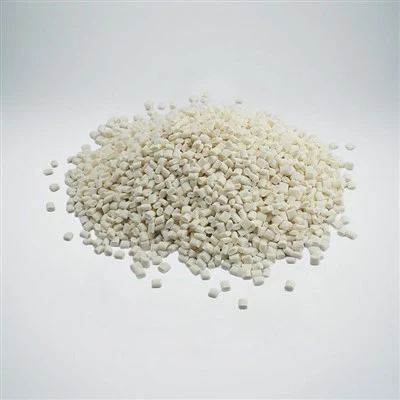
If you’re currently designing a medical device and want to test our FRPP compounds, or have questions about whether they’ll work for your specific application, we’re here to help. We can send you sample materials, walk you through the test standards, and work with you to formulate a custom grade if your device has unique needs. Don’t waste time guessing if FRPP is right for your cables—reach out and let’s chat about your project.
Photovoltaic Cable Compounds References
ISO 10993-5:2019, Biological evaluation of medical devices – Part 5: Tests for in vitro cytotoxicity
ASTM D635-15, Standard Test Method for Rate of Burning and/or Extent and Time of Burning of Plastics in a Horizontal Position
UL 94:2021, Standard for Safety of Flammability of Plastic Materials for Parts in Devices and Appliances
Opta New Materials (Jiangsu) Co., Ltd.
As one of the most professional FRPP cable compounds manufacturers and suppliers in China, we also support customized service. We warmly welcome you to buy bulk durable FRPP cable compounds from our factory. If you have any enquiry about free sample, please feel free to email us.
Address: No.80, Jingang Avenue, Zhenjiang New Area, Zhenjiang City, Jiangsu Province, China.
E-mail: le.yin@optachem.com
WebSite: https://www.optanewmaterials.com/
