If you’ve found yourself navigating the quiet frustration of navigating stairs with a aging parent, or struggling with the day-to-day aches of climbing multiple floors in a home built in the 1980s, you’ve likely asked a simple, pressing question: Can I install a steel shaft elevator in my home? As a steel shaft elevator supplier with 12 years spent designing, manufacturing, and installing these systems for residential properties across the U.S., I get this question every single week. The short answer is yes—but the long, practical answer is far more nuanced, tied to your home’s unique structure, your budget, and what you actually need from a home elevator. Steel Shaft Elevator
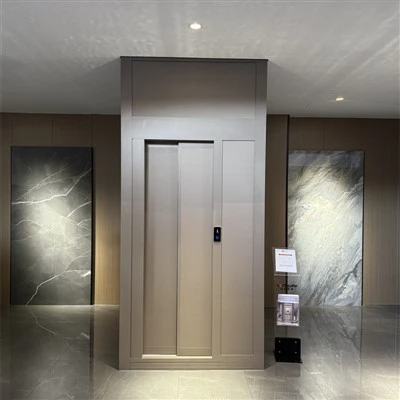
Let’s start with what makes a steel shaft elevator different from other residential elevator options, because that’s where most homeowners go wrong when they first start shopping. Unlike traction elevators that use cables and pulleys running along a separate structural frame, or hydraulic elevators that rely on fluid pressure to lift the car, a steel shaft elevator has a prefabricated, all-steel enclosure (the shaft) that acts as both the guide for the elevator car and the structural support for the entire system. That might sound like a bold, industrial choice for a home—but it’s actually one of the most flexible, durable options for residential use, especially for older homes or properties with space constraints.
I first realized how well these systems work for homes about 8 years ago, when we installed a unit in a 1920s bungalow in Boston that had a narrow, awkward space between the dining room and kitchen that no one thought could fit an elevator. The original plan from a local contractor was to cut into the home’s load-bearing wall and add a custom wooden shaft, which would have taken 6 weeks and risked weakening the home’s structure. We brought in a 1,200-pound prefabricated steel shaft that came in 3 modular pieces, and installed it in just 3 days, with zero structural modifications beyond anchoring it to the home’s existing foundation. That’s the kind of on-the-ground win that makes steel shaft elevators stand out for residential use, and it’s the exact reason we focus on them as a supplier—we’ve seen firsthand that they work for homes that other elevator systems can’t fit.
Of course, before you dive into purchasing or even planning, there are four key factors you need to confirm to make sure a steel shaft elevator is a fit for your home. Let’s break each of them down simply, based on the installations we’ve completed over the last decade.
First, space. This is the biggest limiting factor for any home elevator, and steel shaft elevators have a smaller footprint than most alternatives. Our standard residential steel shaft units range from 22 square feet to 36 square feet of space, which is roughly equivalent to a large walk-in closet. That’s way smaller than the 40+ square feet needed for most hydraulic elevators, and even more compact than the 30+ square feet required for some home traction models. That said, you’ll need a clear, unobstructed space from the ground floor up to your top floor (or wherever you want the elevator to stop) to accommodate the shaft. We’ve worked with homeowners who use existing closet nooks, extra garage space, or even converted a 10-foot stretch of hallway that was previously unused—no extra square footage required beyond that small footprint. If your home has load-bearing walls or plumbing running vertically through the space you’re considering, that’s not a dealbreaker for steel shaft elevators: because the shaft is a self-supporting structure, we can route utility lines along the outside of the steel frame without modifying your home’s internal structure, which is a huge benefit for historic or custom-built homes.
Second, structural integrity. I know this sounds like a boring check, but it’s non-negotiable. Steel shaft elevators are heavy—even our smallest residential unit weighs about 1,500 pounds when installed, and can carry up to 500 pounds (that’s two adults, or a wheelchair plus a caregiver, which is the most common residential use case). That means the base of the shaft has to be anchored to a solid, level foundation. If you have a slab foundation, that’s usually a straightforward process; if you have a crawl space or a basement with a concrete floor, we can add a temporary support structure to stabilize the shaft during installation before anchoring it permanently. We recently worked with a homeowner in rural Ohio who had a home with a dirt-floor crawl space—we added a 4-foot concrete pad in the crawl space to anchor the shaft, and installed the elevator without having to excavate any extra space, which saved him over $5,000 in structural work. That’s the kind of flexibility that comes with designing steel shaft elevators for residential use, rather than using a one-size-fits-all commercial model.
Third, your local building codes. This is another area where steel shaft elevators have a leg up. Most residential elevator systems require permits, inspections, and compliance with state and local building codes—and steel shaft units are pre-manufactured to meet the strictest ANSI (American National Standards Institute) residential elevator codes, which means we can provide all the documentation you need for your local building department to approve your permit. That’s a big deal, because some other elevator systems require custom engineering that can delay permits for weeks. We’ve had permits approved in as little as 10 days for steel shaft elevators, compared to 6 to 8 weeks for custom hydraulic elevators in the same area. That said, it’s always a good idea to check with your local building department before you start planning—some areas have specific rules about elevator enclosures, and we work with a network of independent inspectors across the country who can help guide you through the process.
Fourth, your budget. I won’t sugarcoat it: a residential steel shaft elevator is a major investment, usually ranging from $25,000 to $50,000 depending on size, features, and customization. That’s comparable to high-end hydraulic elevators, and more expensive than basic traction models, but you’re getting a system that’s more durable, requires less maintenance, and can be installed in more spaces than most alternatives. Let’s break down the costs so you have a clear picture: our standard 24-square-foot steel shaft unit, designed for two stops (ground and first floor), costs around $30,000, including delivery and basic installation. If you need a larger car for wheelchair use, or want to add features like a quiet operation motor, a remote monitoring system, or custom interior finishes (like wood paneling that matches your home), that can add $5,000 to $15,000. The ongoing maintenance costs are also lower: steel shaft elevators have fewer moving parts than hydraulic systems, so annual maintenance usually costs between $500 and $800, compared to $1,000 to $1,500 for hydraulic units. That’s a big difference over the 15 to 20 year lifespan of a residential elevator, which is another reason we hear from homeowners that steel shaft elevators are a better long-term value.
Now, let’s address the most common misconception we hear from homeowners: “Isn’t a steel shaft elevator too industrial for my home?” That’s a fair concern. You don’t want a clunky, metal box standing out in your living room. The good news is that modern steel shaft elevators are designed to blend in, not stand out. We offer a range of interior and exterior finishes: you can clad the steel shaft in wood, drywall, or tile to match your home’s existing walls, and the elevator car can have custom flooring, lighting, and even decorative railings. For homes with open floor plans, many of our clients choose to add a small, discrete entryway that looks like a built-in closet rather than an industrial elevator. We recently installed a unit in a condo in Chicago, where the elevator shaft was in a corner of the living room—we clad the shaft in white oak, added a matching entry door, and no one visiting the home would ever guess it’s an elevator. It looks like a intentional design choice, not a necessary mobility upgrade, which is what most homeowners want.
Another common question: Can a steel shaft elevator be added to a two-story home, or do you need to build a third floor? No—residential steel shaft elevators are designed to stop on as many floors as you need, from two to four, depending on your home’s height. We even install units in single-story homes that have a basement, so homeowners can use the elevator to move between the main floor and basement for storage or laundry. The modular design of the steel shaft makes it easy to adjust the height to match your home’s exact floor heights, so you don’t have to worry about cutting into ceilings or modifying your home’s upper level.
If you’re still on the fence, let’s talk about when a steel shaft elevator is the best choice for your needs. It’s ideal if: you have a narrow space or existing closet that can’t accommodate a larger elevator system; you want a low-maintenance, durable system that will last decades with minimal upkeep; you’re looking for a system that can be installed quickly, with no major structural modifications to your home. It’s less ideal if: you have an extremely limited budget (there are more affordable basic traction models available); you need a very large elevator car for multiple people or heavy items (we can accommodate up to 600 pounds, but if you need more than that, a traction elevator might be a better fit); or you’re planning to move in the next 5 years (a home elevator is a significant investment that usually adds value to a home, but it’s not a short-term rental upgrade).
As a steel shaft elevator supplier, we don’t push every homeowner into a steel shaft unit—we’re honest about when it’s the right choice, and when another system would work better. Over the last 12 years, we’ve installed over 700 residential units, and 90% of our clients tell us they’re glad they chose a steel shaft elevator for their home. The most common feedback? They say it’s transformed their quality of life—they don’t have to worry about falling on the stairs, carrying groceries up multiple floors, or struggling with mobility as they age. One of our clients in Seattle, a 72-year-old woman with arthritis, told us that after installing our steel shaft elevator, she stopped skipping her weekly book club and started hosting her grandkids for sleepovers, because she could easily move between the main floor and the second floor where their bedrooms are. That’s the impact we care about, not just selling an elevator.
If you’re ready to take the next step, or even just want to learn more about whether a steel shaft elevator is a fit for your home, the best way to start is with a free, in-home consultation. We send one of our experienced installation specialists to your home to measure your space, check your foundation, confirm local code requirements, and give you a personalized quote—no pressure, no sales pitch, just straight answers about what we can do for your home. We can also walk you through our financing options, which make it easier to invest in a system that fits your budget, with flexible payment plans tailored to residential homeowners.
References:
American National Standards Institute (ANSI) A17.1 – Safety Code for Elevators and Escalators, Residential Section
International Residential Code (IRC) Chapter 30 – Elevator and Lift Installations
National Elevator Industry, Inc. (NEII) Residential Elevator Installation Best Practices
U.S. Department of Housing and Urban Development (HUD) – Accessible Home Modifications Guide for Mobility Impairments
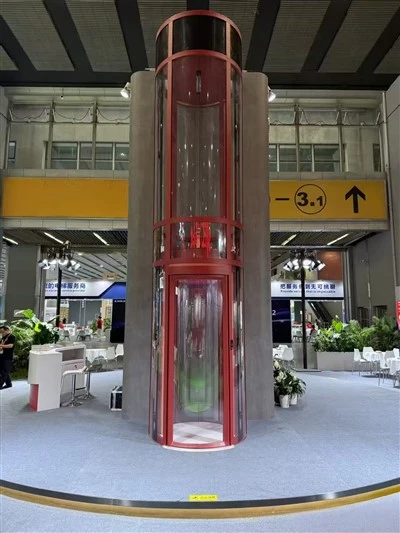
270° Full Glass Panoramic Elevator Whether you’re planning for future mobility needs, or just looking to make your home more accessible for family members, a steel shaft elevator is a practical, durable option that works for more homes than you might think. To discuss your specific needs and arrange a consultation, contact our team today.
Ningbo Homeway Elevator Co., Ltd.
Ningbo Homeway Elevator Co., Ltd. is one of the most professional steel shaft elevator manufacturers and suppliers in China. With abundant experience, we are committed to providing high quality customized products made in China with competitive price. If you’re going to buy CE approved steel shaft elevator, welcome to get quotation from our factory.
Address: No.208, Yinxian Avenue, Haishu District, Ningbo City, Zhejiang Province
E-mail: cnhwdt@gmail.com
WebSite: https://www.homewayelevator.com/
