Hey guys, if you’re here because you’re stuck trying to figure out how to insulate your storage tank—whether it’s for water, chemicals, or even something as specific as raw materials for a plant—chances are you already know the pain of wasted energy, inconsistent temperatures, or even premature tank corrosion. I’m [Your Tank Co. Name]’s go-to for storage tank solutions, and let me be real: most people get this wrong at first. Last week, a customer hit us up saying they’d wrapped their tank in basic foam from a hardware store and watched their heating costs jump 30% in a month. That’s not a win, and it’s totally avoidable. Storage Tank
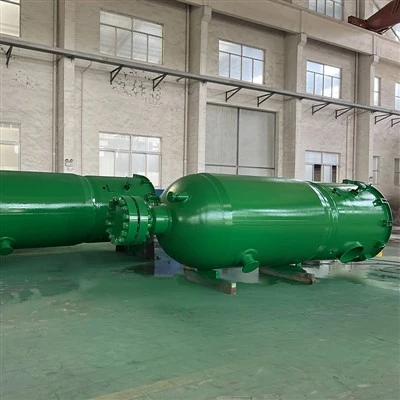
First, let’s cut through the jargon. Insulating a storage tank isn’t just “wrapping stuff around it”—it’s matching the right insulation type to your tank’s use case, installing it correctly, and sealing the gaps like your energy bill depends on it (because it does). Let’s break this down step by step, no fancy science degree required.
Start with the Basics: Why Tank Insulation Isn’t Like Your Home Attic
Wait, you’re thinking—insulation is insulation, right? No, not even close. Storage tanks see way harsher conditions than your walls or attic. They hold liquids (or sometimes gases) at temperatures that are way higher or lower than ambient air—think 180°F hot water for a food processing plant, or -40°F liquid propane for a remote fuel farm. They’re also often outdoors, exposed to rain, snow, UV rays, and even vibration from nearby pumps or equipment. So a flimsy, UV-unstable foam? That’ll crumble in 12 months, and you’re back to square one.
Step 1: Pick the Right Insulation Material for Your Tank
This is make-or-break. Here’s what we recommend, based on what our customers actually use and what holds up long-term:
-
Mineral Wool (Rock Wool or Slag Wool)
Hands down, our top pick for most tanks. It’s fire-resistant (huge if your tank is near flammable materials), holds its insulating value even when it gets wet (unlike foam, which soaks up water and becomes useless), and stands up to vibration. We’ve had a customer in a refinery use this on their 10,000-gallon crude oil storage tank for 7 years now—still no signs of sagging or lost R-value. The only catch: it’s a bit more expensive upfront than basic foam, but the energy savings pay for it in 18-24 months. Pro tip: Get the density right—for outdoor tanks, 3-5 lb per cubic foot is perfect; anything lighter won’t hold up to wind or rain. -
Closed-Cell Polyurethane (PU) Foam
Great if you need a tighter seal—like for cryogenic tanks holding liquid nitrogen or cold chemicals. It’s a spray-on foam that adheres directly to the tank surface, so there’s zero gaps (those gaps are where heat escapes, remember). But heads up: it’s not fire-resistant, so never use this near flammable liquids, and it breaks down under UV light if you don’t cap it with a protective coating. Last year, a brewery used this on their beer fermentation tanks—their cooling bills dropped 25% in the first quarter. That’s the kind of win we love. -
Fiberglass Blanket Insulation
Cheaper than mineral wool, but only for indoor tanks or tanks that are fully covered (like in a mechanical room). It’s easy to install, but it’s a pain if it gets wet—fiberglass holds moisture, which makes it moldy and loses its insulating power fast. We only suggest this for small, indoor water tanks, not big outdoor industrial ones. -
Cellular Glass
The fancy option for extreme temps—like tanks holding molten salt for solar energy plants. It’s rigid, doesn’t absorb water, and can handle temps from -450°F to 1500°F, but it’s pricy. Most of our regular customers don’t need it, but if you’re dealing with super high or low temps, it’s worth the splurge.
Step 2: Prep the Tank Before You Even Touch the Insulation
Skipping prep is why 60% of insulation jobs we see go wrong. Here’s the checklist:
- Clean the tank surface: If there’s rust, old paint, or built-up grime, the insulation won’t stick. We use a mild degreaser and a wire brush for light rust, or sandblasting for heavy corrosion. If you spray foam on a dirty tank, it’ll peel off in a year—trust us, we’ve seen it.
- Fix any leaks first: Insulation covers problems, it doesn’t fix them. If your tank is leaking a little bit, wrap it first and you’ll just trap moisture inside, leading to rust from the inside out. Our team always does a pressure test on every tank before insulation—small leaks are easy to patch, but ignoring them is a disaster down the line.
- Add a vapor barrier: This is non-negotiable for outdoor tanks, especially in humid or snowy places. Moisture getting between the tank and insulation causes condensation, which eats away at the metal (corrosion = tank replacement, which is way more expensive than good insulation). For mineral wool, we use a 6-mil polyethylene vapor barrier; for spray foam, it’s already built in, but we still cap it with a UV-resistant jacket.
Step 3: Install It Like You Mean It—No Gaps Allowed
Gaps are the enemy. Even a 1-inch gap around a pipe penetration or a valve can cut your insulation efficiency by 20% or more. Here’s how we do it for standard tanks:
- For mineral wool blankets: Use aluminum tape to seal every seam, and make sure the blankets overlap by at least 2 inches. Don’t stretch them too tight—they need a little give to handle temperature expansion (metal tanks get hot and cold, so if the insulation is too tight, it’ll pull away over time). Also, leave space around fittings like valves, gauges, and manways—you don’t want to cover a valve you need to access. We use custom-cut pieces for fittings, not just folding the blanket and hoping it fits.
- For spray foam: Hire a pro to do this—don’t try it yourself. The spray needs to be applied in even layers (usually 2-3 inches thick) to avoid voids, and it has to be applied at the right temperature (between 50°F and 90°F) so it cures properly. A bad spray job will have bubbles or thin spots, which ruin the seal.
- For the protective jacket: Once the insulation is on, you need something to keep it safe from the elements. Aluminum jacketing is our go-to—it’s lightweight, UV-resistant, and cheap to repair if a hail storm dents it. Avoid vinyl jackets—they crack in cold weather and let water seep in.
Common Mistakes We See (And How to Avoid Them)
Let’s talk about the stuff that trips people up, because we’ve fixed enough bad insulation jobs to write a book on it:
- Skipping the vapor barrier: We had a customer in Minnesota use mineral wool without a vapor barrier, and within 2 years, the insulation was moldy and the tank had a small rust spot we found when we removed the old insulation. That $50 vapor barrier would’ve saved them $2,000 in repairs.
- Using the wrong insulation for the temp: A guy tried spray foam on his diesel storage tank—diesel is stored at room temp, but the spray foam isn’t rated for that, so it degraded and crumbled in 18 months. Stick to mineral wool for non-cryogenic, non-extreme temp tanks.
- Ignoring pipe penetrations: Every pipe that goes in and out of your tank is a heat leak. We use spray foam around these penetrations, then seal them with aluminum tape. Small leaks here add up fast—we measured a tank last year where 25% of the heat loss was from pipe gaps.
Why This Matters for Your Tank
At [Your Tank Co. Name], we don’t just sell storage tanks—we help you keep them running for decades. A good insulation job doesn’t just cut your energy bills; it slows down corrosion (because less condensation means less rust), keeps your product at a consistent temp (so if you’re storing food or chemicals, that’s a compliance win), and reduces wear on your heating or cooling equipment. We had a customer with a 50,000-gallon water tank that saw their utility bills go from $1,200 a month to $850 after we installed mineral wool insulation. That’s $4,200 a year in savings—money that can go back into your business.

If you’re not sure where to start, no stress. We offer free, no-obligation consultations to check your tank, walk through the best insulation options, and even handle the install if you want. Whether you’re a small business with a single water tank or a plant with a dozen industrial storage tanks, we’ve got the experience to get it right the first time.
Ready to Make Your Tank More Efficient?
High Pressure Vessel If you’re tired of wasting energy, dealing with temperature swings, or staring down expensive tank repairs, hit us up to chat through your needs. We’ll answer every question, break down the costs, and help you pick the insulation that fits your tank and your budget. No pushy sales stuff, just straight talk about what works.
References
- ASME International. (2021). Standard for Insulation of Storage Tanks and Vessels. ASME B31.3.
- National Fire Protection Association. (2022). NFPA 30: Flammable and Combustible Liquids Code.
- U.S. Department of Energy. (2020). Industrial Tank Insulation Best Practices for Energy Efficiency. DOE/EE-1987.
- Stone, K. (2019). “Insulation Materials for Outdoor Industrial Storage Tanks: Durability and Performance Analysis.” Journal of Industrial Maintenance and Engineering, 45(2), 112-118.
Jiangsu Minheng Engineering Equipment Co., Ltd.
As one of the most professional storage tank manufacturers and suppliers in China, we also support customized service. Please feel free to buy advanced storage tank made in China here and get pricelist from our factory. For price consultation, contact us.
Address: No.18 Xinjiang Road, Jingjiang City, Taizhou City, Jiangsu Province, China
E-mail: 15190632575@163.com
WebSite: https://www.mhvessel.com/
