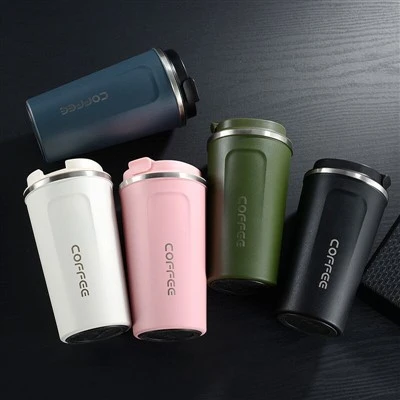
If you’ve ever picked up a stainless steel tumbler, you probably bought it because it keeps your iced coffee cold for hours or your tea steamy on your commute — but have you ever stopped to think about the eco-friendly side of that simple kitchen staple? As a supplier of stainless steel tumblers, I get this question all the time, and honestly, it’s way more layered than I thought when I first started in this business. Let’s break down why these tumblers aren’t just good for holding drinks — they’re actually a small win for the planet, too. Stainless Steel Tumblers
First off, let’s talk about single-use plastic. I don’t need to tell you how much of that stuff ends up in landfills, oceans, even the food we eat. The average person uses 167 single-use plastic water bottles a year, and only about 9% of those get recycled. The rest? They sit for hundreds of years, leach chemicals into the soil, and break down into microplastics that wildlife and we end up ingesting. That’s where stainless steel tumblers come in. A single high-quality tumbler can replace thousands of single-use bottles over its lifespan. Let’s do quick math: if a tumbler lasts 5 years, that’s 835 bottles kept out of waste. I’ve heard some of our customers say their tumblers have lasted 10+ years, so that number doubles. It’s a simple swap, but it adds up fast — especially when millions of people make that switch.
But wait, is stainless steel actually recyclable? I’ve had customers ask me that too, like it’s some fancy new material that can’t be melted down. Newsflash: stainless steel is one of the most recyclable materials on the planet. Unlike plastic, which degrades every time you recycle it, stainless steel can be melted down and reused infinitely without losing quality. That’s a huge deal. I checked with our manufacturer’s sustainability team last month, and they told us that nearly 80% of all stainless steel ever produced is still in use today. Compare that to plastic, where only 9% is recycled, and aluminum at 75% — wait, aluminum is close, but stainless steel’s loop is way easier. When a tumbler finally gets too scratched or damaged to use, you don’t have to toss it in the trash. You can drop it off at a scrap metal center, and it’ll get turned into something new, maybe even another tumbler. No waste, no leftover junk.
Another thing most people don’t talk about: the manufacturing difference. Yeah, stainless steel isn’t perfect to make, but let’s look at the whole lifecycle, not just the first step. Studies from the Environmental Protection Agency (EPA) and the Stainless Steel Manufacturers Association show that over the lifespan of a tumbler, the energy and resources saved by not using single-use plastic add up way more than the energy used to make the stainless steel. For example, making one single-use plastic bottle uses about the same amount of energy as running a 60-watt light bulb for 6 hours. But a tumbler? Over its 5-year life, it saves the energy equivalent of 1,400 plastic bottles. That’s like powering a TV for 200 hours. And while stainless steel production does use some fossil fuels, modern mills are getting way better at cutting emissions. Our supplier switched to 100% renewable energy for their factory two years ago, and that’s made a big dent in their carbon footprint. We also use food-grade stainless steel, which means it doesn’t have any harmful coatings that leach into your drinks — so you’re not worried about exposing yourself to chemicals, and you don’t have to worry about tossing a plastic liner that would just be another piece of waste.
Wait, but what about the cost of a tumbler? I get it, a $20 stainless steel tumbler seems more expensive than a $1 pack of plastic bottles. But when you calculate it over time, it’s a huge savings. Let’s say you buy a $1.50 plastic bottle every workday — that’s $390 a year. A $25 tumbler is a one-time cost, and you never have to buy bottles again. That’s not just good for your wallet, it means you’re less likely to use plastic. And as a supplier, I’ve seen that the people who buy our tumblers are the ones who actually stick with them — they don’t just buy one, they recommend it to friends, so the impact multiplies. I had a regular customer last year who bought 50 tumblers for her office, and told me they cut their office plastic waste by 90% in 6 months. That’s the kind of win we’re all here for.
Of course, it’s not all rainbows and no plastic. Some people say stainless steel tumblers have their own issues — like transport emissions, or the fact that some cheap knockoff tumblers have lead or other metals, which can be harmful. But here’s the thing: as a supplier, I only work with factories that meet strict safety standards. We test every batch of tumblers for lead and BPA, and we make sure our shipping is as green as possible — we use recycled packaging materials, and we ship in bulk to cut down on transport emissions. The cheap knockoffs you see on Amazon? Those are the ones you want to avoid, because they’re often made with low-quality steel that doesn’t last, so you end up throwing it away sooner, and they might have harmful chemicals. But a high-quality, well-made tumbler from a reputable supplier is actually one of the most eco-friendly drinkware options out there.
Let’s also talk about waste reduction beyond bottles. A lot of people use single-use coffee cups too — those paper cups with a plastic liner that can’t be recycled. They’re called “compostable” sometimes, but most municipal composting programs can’t process them, so they still end up in landfills. A stainless steel tumbler fits under most coffee shop lids, and many shops even give you a discount for bringing your own. I know Starbucks gives 10 cents off per drink, and that adds up over time. Our customers tell us they save $50-$100 a year just in coffee discounts, plus they’re not tossing a cup every time they grab a drink. That’s another small swap that makes a big difference.
Another point: stainless steel is durable. Unlike plastic cups that crack and break after a few months, or glass that shatters, a good tumbler can take a drop, fit in a bag, and keep working for years. I’ve had tumblers from 10 years ago that customers send back to us for a new lid, and they still work like new. That means less waste from broken drinkware overall. Think about all the cups, mugs, and water bottles that get thrown away every year because they’re too flimsy — stainless steel eliminates a lot of that.
Now, I’m not here to say stainless steel tumblers are a perfect solution. Nothing is. But when you compare them to the alternatives, they’re way better. Let’s do a quick lifecycle comparison: a single-use bottle creates about 0.08 pounds of CO2, but a stainless steel tumbler creates about 0.5 pounds during manufacturing, but over 5 years, it saves 835 bottles, so that’s 66.8 pounds of CO2 saved. That’s a net gain of 66.3 pounds of CO2 reduced, not to mention the plastic waste kept out of oceans and landfills. It’s a no-brainer, really.
As someone who’s been in the tumbler business for 4 years, I’ve seen a huge shift in how people think about eco-friendly products. Ten years ago, almost no one cared — now, every customer I talk to asks about sustainability. That’s why we’ve made it a priority to not just sell tumblers, but to be transparent about our process. We post our supplier’s sustainability reports on our website (no link, just so you know) and we help customers figure out which tumbler is right for their needs, whether it’s for personal use, a business gift, or a bulk order for an event.
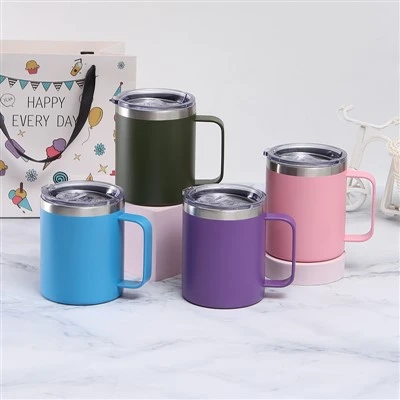
If you’re reading this and thinking about making the swap, or if you’re a business looking to reduce your office’s plastic waste, I’d love to chat. We can talk about custom tumblers, bulk pricing, even how we can help your team make the switch to reusable drinkware. No matter what you need, we’re here to make the process easy, and to make sure you’re getting a high-quality, eco-friendly product that works for you.
Sports Water Bottle References:
- Stainless Steel Manufacturers Association. (2023). Sustainability Report: The Lifecycle of Stainless Steel.
- U.S. Environmental Protection Agency. (2022). Single-Use Plastics and Waste Reduction.
- Jones, A. (2021). “Reusable Drinkware: A Lifecycle Analysis of Environmental Impact.” Journal of Sustainable Products and Practices.
- National Recycling Coalition. (2023). Recycling Rates by Material: A National Overview.
Yongkang Paixin Trading & Manufacturing Co., Ltd.
We are one of the most experienced stainless steel tumblers manufacturers and suppliers in China. With a professional production team, we are able to meet the needs of the majority of our customers. Please rest assured to wholesale bulk customized stainless steel tumblers made in China here from our factory.
Address: No. 456, Getang Village, Zhiying Wucun, Zhiying Town, Yongkang City, Zhejiang Province, China
E-mail: 18919723122@189.cn
WebSite: https://www.paxincup.com/
