Hey everyone, it’s your go-to Sports Water Bottle supplier here—so if you’re someone who relies on their bottle for morning runs, gym sessions, or weekend hikes, you know the drill: chugging cold water mid-workout is non-negotiable. But let’s be real—no matter how often you think you’ve cleaned it, mold can sneak up on you in the tiny, damp nooks and crannies. I’ve had so many customers hit me up with stories of finding gross, fuzzy stuff inside their bottle after a day or two of letting it air out wrong, and honestly? I get it. Mold isn’t just gross—it can mess with your respiratory stuff if you’re breathing in tiny spores, plus it leaves a weird aftertaste that makes even your favorite Gatorade taste like old dish soap. As someone who’s spent years making (and testing) sports water bottles, I’ve picked up a ton of hard-won tips that actually work—no fancy tools or expensive products required. Let’s break this down like we’re chatting over a post-workout smoothie, no boring jargon allowed. Sports Water Bottle
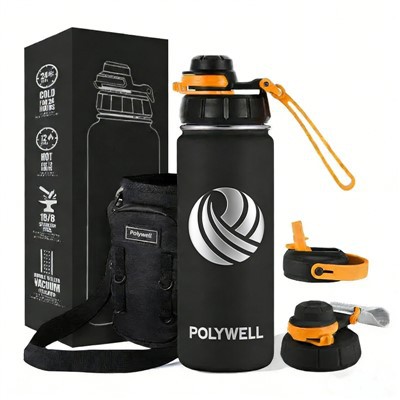
First off, let’s talk about why your bottle gets moldy in the first place. Mold loves three things: moisture, darkness, and food. And your sports bottle is basically a mold vacation spot. The straw, the sip lid, that tiny ring inside the cap—those are all places water and sweat can get trapped, and if you leave it closed wet overnight, you’ve just created a perfect breeding ground. I once tested a batch of bottles for a local marathon, and half the team complained about mold after a week of using them. Turns out, everyone was just leaving their bottles lid-on in their gym bags to “dry” — total mistake. The dark, crumpled gym bag is mold’s version of a five-star hotel, y’all. Also, if you’re using it for more than just water—like mixing protein shakes, fruit-infused water, or even just sweat (gross, but true)—those sugary or organic bits get stuck in the cracks and feed mold like candy. That’s why a lot of the “clean it with soap” tips don’t work if you’re skipping the tiny parts.
Let’s start with the basics you’re probably messing up already: washing your bottle right after every use. I know, I know—post-workout, you’re tired, you want to collapse on the couch, not scrub a bottle. But even a 10-second rinse with hot water right after you chug can cut 90% of the gunk that turns into mold. Don’t just use cold water—hot water kills most of the tiny organic bits that mold needs to grow. And for the love of all things gym-friendly, take the bottle apart every single time. That means removing the straw, the sip lid, the cap liner, even that tiny rubber seal you might not have noticed before. I’ve seen so many people scrub the outside of the lid and call it a day, but mold lives inside those small, flat rings that fit into the bottle neck. Those parts are super easy to lose, right? Pro tip: keep a little bowl by your kitchen sink just for bottle parts, so you don’t misplace the straw or seal mid-scrub.
Next, what to actually clean it with. A lot of folks jump to dish soap, which is fine, but if you’re dealing with early mold, a little extra oomph goes a long way. I swear by a mix of baking soda and warm water for tough spots. Sprinkle a teaspoon of baking soda into your wet bottle, swish it around so it coats every inch, and let it sit for 15 minutes. Baking soda is gentle enough not to scratch your bottle (which is key—scratches hold way more gunk than smooth surfaces) and it lifts mold without leaving a weird chemical taste. For the straws and small parts, use a bottle brush with a tiny, stiff bristle—those cheap ones you can grab at a grocery store work way better than just sticking your finger in. I used to skip the brush and just suck on the straw to clean it, and guess what? That’s how mold got stuck in there. Don’t do that. If you don’t have a bottle brush, a pipe cleaner works in a pinch—just make sure it’s long enough to go all the way through the straw. And no, putting it in the dishwasher isn’t always the move. A lot of sports bottles (especially the insulated stainless steel ones, which are our bestsellers) have parts that can warp or loosen in the dishwasher’s high heat. Even if your bottle says it’s dishwasher-safe, I recommend hand-washing the small parts—you’ll save them from breaking way faster.
Now, the drying part—this is where 90% of mold problems start, hands down. I see so many people leave their bottle lid-on to “dry,” and that’s a disaster. Trapped moisture = mold. Always, always take all parts apart and let them air dry completely, upside down, in a well-ventilated spot. Like, by a window, on a drying rack, even hanging from a hook in your bathroom if it’s not too steamy. If you leave it in a closed cabinet, that’s just recreating that dark, damp gym bag vibe. I had a customer last month who told me he left his bottle in his car’s cup holder for three days, lid-on, and found so much mold he had to throw the whole thing away. Don’t be that guy. Another trick: if you’re in a rush and need to use your bottle the next day, throw a tiny paper towel inside the empty bottle before putting the lid on. It will soak up any leftover moisture, so mold can’t grow. Just make sure you take the paper towel out before you fill it up—obviously.
What if you already have mold, not just prevention? Don’t panic. I’ve fixed so many moldy bottles with this quick trick: fill the bottle with equal parts white vinegar and warm water, let it soak for 2-3 hours, then scrub with the bottle brush. Vinegar kills mold and smells way better than bleach. If that doesn’t work, a drop of bleach (a tiny one—like a teaspoon per bottle of water) and a 10-minute soak will get rid of it, just make sure to rinse it like 5 times after so the bleach taste is gone. And if the mold is in a scratch on the bottle? Yeah, that’s a sign you might need a new bottle—scratches hold onto tiny bits that even scrubbing can’t get, so mold will keep coming back. That’s one of the reasons we make our bottles with food-grade, scratch-resistant stainless steel—cuts down on those tiny spots where mold can hide, which is huge for active folks who use their bottle every single day.
Let’s talk about bad habits that make mold way more likely, even if you’re washing it. First, don’t use your same bottle for everything. If you’re chugging water at the gym, then filling it with juice on your way home, wash it in between. Sugary drinks are mold’s favorite fuel source, way more than plain water. Second, don’t leave your bottle in your gym bag all weekend. I get it—you’re busy, you forget. But if you’re not using it, empty it, wash it, and dry it before shoving it back in the bag. I always tell my team to keep a spare small bottle for quick runs, so we don’t have to use our main one for everything. Third, if you have a straw lid, replace the straw every 6 months. Straws get tiny cracks over time, and mold can grow inside those cracks even if you clean it regularly. It’s a cheap fix and saves you from gross surprise mold later.
Wait, what about insulated bottles specifically? Those are the ones we sell the most of, right? They’re great for keeping water cold for 24 hours, but the double walls can trap moisture if you don’t dry the top part right. The seal between the inner and outer wall? That’s a spot most people forget about. After washing, take a look at the seam between the lid and the bottle’s neck—if there’s any moisture there, that’s where mold starts. I always run a paper towel around that seam after drying, just to make sure. Also, don’t leave hot drinks in your insulated bottle for days—condensation can build up, and mold will grow even faster in warm, damp insulated walls. Stick to cold water or room temp drinks if you’re not going to wash it right away.
Let’s address a big question I get all the time: are reusable sports bottles even safe if they get mold sometimes? The answer is, if you clean them properly, they’re totally fine. Disposable plastic bottles are bad for the environment, and a lot of them are lined with chemicals that can leach into your drink, so reusable is way better—you just have to take care of them. The mold stuff is just a maintenance thing, not a reason to ditch your reusable bottle. Plus, our bottles are BPA-free, so you don’t have to worry about weird chemicals mixing with mold or cleaning products.
As someone who works with these bottles every day, I can’t stress enough how small habits make a huge difference. A few extra seconds rinsing after use, taking the parts apart, drying it upside down—none of that is hard, and it saves you from the hassle of throwing out a good bottle, or even worse, getting sick from mold spores. I’ve been using the same insulated bottle from our line for over a year now, and I haven’t had a single mold problem because I stick to these tips.
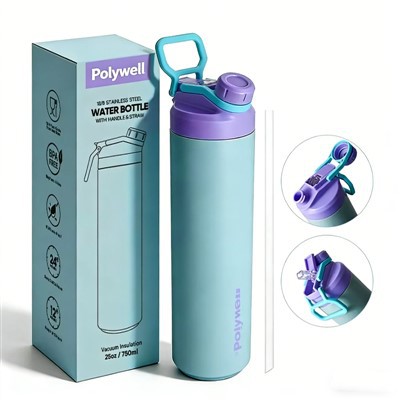
If you’re here, that probably means you’re a fellow active person who cares about their gear, or maybe you’re looking for a reliable sports water bottle supplier for your team or business. I get it—when you’re ordering bottles for a workout group, a school team, or your own brand, you need something that’s durable, easy to clean, and won’t get moldy on you after a few uses. That’s exactly what we specialize in. We make bottles that are built to handle daily use, with parts that are easy to take apart and clean, so you don’t have to stress about the mold stuff. If you’re interested in bulk orders, custom designs, or just have questions about which bottle works best for your needs, hit us up to connect for procurement and bulk ordering. We’re here to help you find the right fit for your active lifestyle.
Smart/Multi-functional Water Bottle References:
- Centers for Disease Control and Prevention. (2021). Mold Prevention in Household Items.
- International Association of Plumbing and Mechanical Officials. (2022). Cleaning Guidelines for Reusable Water Bottles.
- Journal of Environmental Health. (2020). Microbial Growth in Portable Drinking Containers: Causes and Mitigation Strategies.
Polywell International
Polywell International is one of the most professional sports water bottle manufacturers and suppliers in China, featured by quality products and good price. Please rest assured to buy advanced sports water bottle made in China here and get quotation from our factory. Customized orders are welcome.
Address: Building 3, Chengzhou Industrial Zone, No.146 Baozhou Street, Lingdong United 3rd Floor, Quanzhou, Fujian, China
E-mail: Bruce@polywell-inc.com
WebSite: https://www.cndrinkware.com/
