Hey there, morel lovers and bulk buyers! Let’s cut to the chase – if you’re a dried morel mushroom supplier (guilty here, that’s me), you know the worst thing that can happen after a big harvest, processing batch, or even shipping a pallet is finding fuzzy mold on those perfectly ridged, earthy, prized shrooms. I’ve been in this game for 7 years, dealt with every mold nightmare you can imagine – from a storage bin that got a teeny tiny leak I missed to a pallet that sat in a humid warehouse for way too long – and I’m here to spill all the science-backed, real-world tips that actually work. No fancy, jargon-heavy stuff, just the stuff we use every single day to keep our dried morels mold-free and ready for our wholesale and retail clients. Dried Morel Mushroom
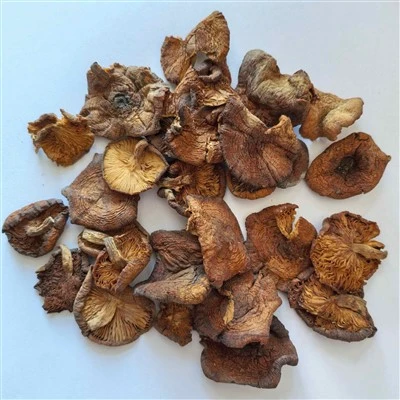
First, let’s get one thing straight: mold doesn’t just show up out of nowhere. Dried morels are only mold-prone when they get too much moisture, right? The whole point of drying them is to get that moisture level down to under 10% – that’s the sweet spot where mold can’t grow. If they’re higher than that, even a little humidity in the air or a tiny drop of water on the packaging is enough to turn your $1000 batch into trash. I once messed this up early on – rushed a small batch to market because a client was waiting, and we only got it down to 12% moisture. It sat on their shelf for 3 days and they called us panicking about mold. Never again. So the first step is getting the dryness right, and that starts in your processing station.
When we process morels, we don’t just toss them in a dehydrator and call it a day. We start by cleaning them – super gently, because if you scrub too hard, you damage those tiny ridges and get spots that hold moisture. We use a soft brush (no water, mostly) to get rid of dirt, since water is the enemy of drying. Then we split the big ones lengthwise so air can get inside, because morels are hollow, remember? If you leave a big whole morel, the inside takes way longer to dry, and that trapped moisture is a mold breeding ground. We lay them in single layers on food-grade drying racks, no overlapping, and set our commercial dehydrator to 120°F – not higher, because too much heat can make them taste burnt, and still not get the moisture low enough. We check them every 2 hours, test for dryness by bending a cap – it should snap, not bend. Then we let them cool completely at room temperature for 1 full hour before packaging. I know some people skip the cooling step, thinking it’s a waste of time, but trust me – hot, humid shrooms will create condensation inside a plastic bag, and that’s how mold starts before you even seal it up. I learned that the hard way too.
Now, packaging – this is where most people mess up, even if their dried morels are perfectly dry. Regular plastic bags? Nope, they’re not airtight, and they let tiny moisture particles seep in. We use high-quality, food-grade vacuum-sealed bags with a layer of aluminum foil on the outside – that’s our go-to. Vacuum sealing is non-negotiable for bulk packs, because it removes all the air that holds moisture. We also add a super tiny, food-grade silica gel packet in every pack, even the 50lb bulk ones – not too many, just one per pack, because too much silica can make the morels taste weird. Wait, but a lot of clients ask if we can take the silica out for them – yeah, sometimes, but only if they’re packaging the morels right away. If they’re storing them for more than a week, that silica is a lifesaver. Also, we label every pack with the date we processed it, so we can track freshness – morels stay good for about 18 months if stored right, so if we have a pack that’s coming up on 12 months, we flag it to get shipped first, before any moisture can creep in.
Storage is the next big piece, and it’s not just “put it in a closet.” We have a dedicated storage space in our facility – it’s climate-controlled, set to 50°F and 35% humidity. No basements (too humid, too cold) and no attics (too hot, too sunny, temperature swings all the time). We use wooden pallets that we’ve pre-treated with food-safe sealant, so moisture doesn’t soak up from the floor, and we stack the packs with space between each pallet – air circulation is key here. We don’t stack more than 5 packs high, because the weight can crush the bags and create gaps where air gets in. Also, we check every pallet once a week – quick visual, maybe a tiny pinch of a top pack to make sure it’s still firm, not soft. If we find even a hint of a musty smell, we pull that batch out immediately, test the moisture level, and re-dry if needed. I’ve had a few batches that got a little damp from a random AC leak in the storage, and instead of tossing them, we re-dry them at 110°F for 4 hours, re-vacuum seal, and they’re good as new – way cheaper than wasting a whole batch.
Now, what about shipping? Because even if you’ve done everything right processing and storing, a bad shipment can ruin it. We make sure we ship dried morels in insulated, corrugated cardboard boxes that have a layer of foam on the inside to cushion the packs, and we add an extra silica gel packet in the shipping box, not just the individual packs. We also avoid shipping in extreme temperatures – like, if it’s over 85°F outside, we use cold packs (not dry ice, because dry ice can create condensation when it warms up) to keep the temperature steady. And we never leave pallets sitting on a dock for more than 10 minutes – last summer, we had a driver leave a pallet out in 90°F sun for 20 minutes, and when we got it back, two packs had soft spots. Lesson learned: we wait until the truck is at the door to roll the pallets out, or wait until the truck is ready to unload when we drop them off.
Wait, but what if you’re a small buyer, not a big supplier? A lot of our clients are small cafes or specialty markets that buy bulk morels for their menus, and they ask us how to keep their inventory mold-free too. Same rules apply, just scaled down. If you’re storing a small batch for your shop, keep it in a glass jar with a tight lid, not a plastic bag, and put it in a cabinet that’s not near a sink or a heater. If you’re a home cook buying dried morels, store them in an airtight container in the pantry – not the fridge, because the fridge has high humidity, and not the counter, where it’s exposed to steam from cooking. Oh, and never put dried morels in the freezer unless you’re storing them for over a year – freezers have moisture too, and if you don’t seal them tight, you get freezer burn and moisture buildup.
Another thing that’s not talked about enough: cross-contamination. If you have other ingredients in your storage space that are high moisture – like fresh herbs, flour that’s not sealed tight, or even a bag of rice that’s damp – that moisture will transfer to your dried morels. We keep all our dried produce in separate sections of the storage room, with a 3-foot gap between morel stacks and any other bulk items. We also clean the storage floors and shelves every month with a food-safe disinfectant, because mold spores can stick to surfaces and get into your packs. We had a problem a couple years ago where a neighboring storage unit had a moldy batch of corn, and spores drifted over – we had to deep clean everything, and now we’re way stricter about keeping our space isolated from other bulk goods.
Wait, let’s get a little science here to back this up, because I know a lot of you are skeptical, and I don’t want to give you just old wives’ tales. Mold (specifically Aspergillus and Penicillium, the ones that commonly grow on dried mushrooms) needs three things to grow: moisture (water activity above 0.6, which is why our 10% moisture target is perfect), temperature between 40°F and 100°F, and oxygen. So every step we take is cutting off one of these. Vacuum sealing removes oxygen, climate control cuts down temperature spikes, proper drying cuts moisture, and keeping areas clean cuts down on mold spores (the “seed” of mold, basically). That’s not just something I read online – that’s from the university agricultural extension program that works with us, and it’s been spot on for our operations.
A common myth we hear all the time is that adding salt or garlic to dried morels keeps mold away. Nope, that doesn’t do anything – salt might absorb a tiny bit of surface moisture, but it doesn’t get to the inside of the mushroom or stop spores from growing. We tested that once, added garlic to a small batch, and it got mold just as fast as the control batch. So skip that, it’s a waste of a good spice.
Now, what if you do find mold on a batch? First, don’t panic. If it’s just a tiny spot on one morel, and the rest of the batch looks fine, you can sort that morel out, then test the moisture of the rest. If the whole batch is soft and fuzzy, then yeah, it’s time to toss it – mold produces mycotoxins, and there’s no way to get rid of that, you don’t want that in your product or food. We actually have a protocol for this: any batch with mold gets quarantined, logged in our system, and our quality control team tests it for mycotoxins before deciding what to do. We’ve only had to toss a batch twice in 7 years, and both times it was because of a warehouse leak we missed early on.
Here’s the thing that matters most to me, as a supplier: our clients trust us to send them mold-free dried morels, and that’s why we don’t cut corners. We’ve turned away big orders before because we knew the moisture level was a little off, and we’d rather delay shipment than send them something that’s going to go bad. We have clients that have been with us for 5 years, and they only work with us because we prioritize quality over speed.
If you’re a buyer – whether you’re a small café, a specialty market, a restaurant chain, or even a bulk distributor – and you’re worried about your dried morels getting moldy, or you’re ready to source consistent, mold-free batches for your business, hit us up. We don’t do generic stuff, we work with each client to tailor packaging and storage tips for their specific needs, and we stand behind every batch we ship. We also offer free moisture testing for any of our clients’ stored inventory, if they want to double-check things.
Before I wrap this up, let’s recap the key points so you don’t forget them: 1) Dry to under 10% moisture, split big morels, cool fully before packaging. 2) Vacuum seal in airtight, foil-lined packs, add food-grade silica. 3) Store in climate-controlled space (50°F, 35% humidity), good air flow, no cross-contamination. 4) Ship in insulated boxes with extra silica, avoid extreme temps. 5) Skip salt/garlic myths, test batches regularly, quarantine any suspect inventory.
That’s it – no complicated tricks, just consistent, careful steps that work. Mold doesn’t have to be a headache for anyone in the dried morel business, whether you’re a supplier or a buyer. Now go check your last batch, and if you need help making sure it’s stored right, or want to source high-quality mold-free morels, get in touch.
Dried Bolete References:
- USDA Agricultural Marketing Service. (2021). Dried Mushroom Handling and Storage Guidelines. U.S. Department of Agriculture.
- University of Kentucky College of Agriculture, Food and Environment. (2020). "Post-Harvest Handling and Preservation of Wild Mushrooms." Extension Bulletin.
- International Society for Mushroom Science. (2019). Best Practices for Commercial Dried Mushroom Storage and Quality Control. Annual Conference Proceedings.
- Food and Drug Administration. (2022). "Control of Mycotoxins in Dried Plant Products." Food Safety and Inspection Guidance.
Qingyuan Manchu Autonomous County Lichang Native Produce Co., Ltd.
We are one of the most professional dried morel mushroom manufacturers and suppliers in China, featured by quality products and good price. Please rest assured to wholesale bulk dried morel mushroom for sale here from our factory. Welcome to view our website for more information.
Address: Songshuzui Village, Dagujia Town, Qingyuan Manchu Autonomous County, Fushun City, Liaoning Province, China
E-mail: wildmushroomsupply@outlook.com
WebSite: https://www.wildmushroomsupply.com/
