If you’ve ever spent a winter watching a snow fence sag, tear, or disappear mid-storm—even one you invested in for your property, farm, or construction site—you know it’s not just a barrier against drifting snow. It’s a tool that keeps driveways clear, protects livestock from bitter wind chill, and keeps road crews safe, all for a fraction of the cost of long-term snow removal or repairs. But here’s the thing: a snow fence doesn’t install itself and doesn’t hold up all winter on its own. As someone who’s been supplying snow fences for over a decade, I’ve seen firsthand how even the sturdiest, highest-quality fence I sell can fail if it’s not maintained properly. Most buyers reach out to me with questions about installation, but the biggest mistake they make is skipping the maintenance part until it’s too late. Today, I’m breaking down exactly what goes into keeping a snow fence working year after year, no matter how harsh the winter throws at it. Snow Fence

First, let’s start with the basics: why maintenance isn’t optional. Snow fences work by disrupting wind speed, forcing snow to drop out of the air and accumulate in a controlled pile on the leeward side (that’s the side away from the wind). If the fence is bent, torn, or covered in ice, wind flows straight over it again, and you end up with snow drifts exactly where you didn’t want them—blocking your gate, covering your pasture, or shutting down your access road. I once had a farmer call me in March panicking because his fence had collapsed halfway through a blizzard, and he’d spent three days shoveling his driveway instead of tending to his calves. The fence I’d supplied him that fall was top-of-the-line, but he’d never even checked on it after installation. That’s the story I want to help you avoid.
Let’s start with the most important maintenance task: post-storm inspections. This isn’t a fancy, time-consuming chore—most of the time, it takes 15 minutes per 100 feet of fence, and it should happen within 48 hours of any major storm (that means 6 inches or more of snow, or sustained winds over 30 mph). When you do an inspection, don’t just walk along the fence line and glance at it. Start at the windward side (the side the snow is blowing from) and work your way across. Look for two big things first: structural damage and snow accumulation that’s blocking the fence’s gaps.
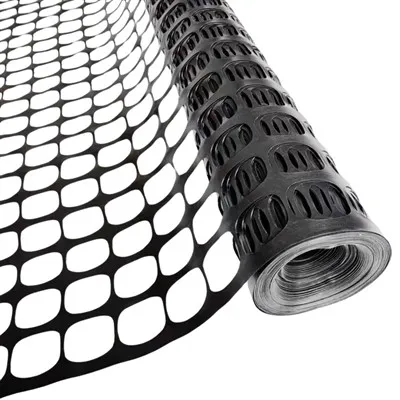
Structural damage is the big one. Check each post: is it leaning? Is there a crack at the base where it meets the ground? Did it get pushed sideways by drifting snow or debris? I always recommend setting posts 2 to 3 feet deep in loose soil, but if a storm hits and the ground is frozen solid, that post might shift. Next, check the fabric itself. Our standard snow fence fabric is woven polyethylene, UV-stabilized, rated for 100+ mph winds, but even that can tear if it catches on a fence post splinter, a fallen tree branch, or a piece of debris blown through the air. If you spot a tear smaller than 6 inches, don’t panic—we sell heavy-duty repair tape that sticks to the polyethylene and holds up to snow and wind. For tears larger than that, or sections where the fabric is completely detached, you’ll need to replace that small section instead of the whole fence, which saves you money and time.
Wait a second—what about snow accumulation blocking the fence’s gaps? A lot of people think more snow on the fence means it’s working, but that’s not true. Our snow fences have a 40% to 50% porosity (that means half the wind flows through, half is blocked) to make them work best. If snow drifts up over the top of the fence, or if drifts build up so high on the windward side that they fill in the gaps, the fence loses its ability to redirect wind. I had a construction company client last year who installed a fence along their site access, and after two days of blowing snow, drifts had piled up 3 feet high right against the windward side of the fence. Instead of fixing it, they waited, and by the end of the week, drifts were 6 feet high on the leeward side of the fence—exactly where their trucks needed to go. So during your post-storm inspection, if snow is blocking the gaps, you can gently brush it off the fabric with a soft broom (never use a metal rake, that will tear the polyethylene) or knock small drifts away from the base of the posts.
Next up: pre-season maintenance, which you should do every fall, before the first frost hits. This is the time to make sure your fence is ready for months of harsh winter, not just patching up damage after the first storm. Start by clearing the fence line of any debris that’s built up over the summer: fallen branches, overgrown bushes, trash, even old lumber or fence posts from last year. I can’t tell you how many times a fallen oak branch has crushed a snow fence mid-winter, and the client had no idea it was there because it hid under leaves all summer. While you’re clearing, also check for any plants that are growing too close to the fence. We recommend leaving at least 2 feet of clearance on both sides of the fence—overgrown shrubs or vines can pull on the posts and fabric as they grow, or catch snow and add extra weight that bends posts.
Then, check all the connections: the ties that hold the fabric to the posts, and the connectors between sections of fence. I use stainless steel zip ties for all our fences because they don’t rust, even after years of exposure to snow, salt, and ice. But even stainless steel ties can get brittle over time, especially if they’re exposed to extreme cold. Every fall, I advise clients to replace any ties that are cracked, twisted too tight, or missing. Another tip: if you have a fence section that’s sagging between two posts, you can add a temporary cross brace in the middle of the section to hold it up until you can adjust the ties or straighten the posts. Sagging isn’t just an eyesore—it means the fence isn’t doing its job of redirecting wind, so snow will drift through the sag instead of accumulating where you want it.
One of the most overlooked maintenance tasks is ice and snow removal during freezing rain or ice storms. I know, this sounds like the last thing you want to do when it’s 20 degrees out and the wind is howling, but ice and heavy wet snow can weigh down a snow fence so much that posts snap or pull straight out of the ground. Last winter, I had a rancher call me at 7 a.m. on a Saturday, panicking because his fence had collapsed overnight during an ice storm. When I went out to look with him, we found that the fence had about 2 inches of clear ice coating every inch of fabric, adding hundreds of pounds of extra weight that the posts couldn’t support. If you see ice building up on your fence, wait for a milder day (above freezing) and gently knock the ice off with a soft plastic mallet—never hit the fabric directly, that will tear it. Or, if you have a portable fence that’s easy to remove, you can take the whole section down temporarily during an ice storm, store it somewhere sheltered, and put it back up once the storm passes. That’s a small extra step that can save you thousands of dollars in replacement costs and lost snow control.
Now, let’s talk about long-term maintenance for fences that you use year after year. A lot of clients ask me if they can leave their snow fence up in the summer—my answer is usually no, unless you have a permanent setup that’s reinforced for year-round use. The biggest enemies of snow fence fabric are UV rays from the sun. Even our UV-stabilized polyethylene fabric will start to break down, fade, and get brittle after two or three years of being exposed to direct sunlight all summer. If you take your fence down in the spring, after the last snow melt, and store it in a cool, dry, dark place (like a garage or a shed), it will last twice as long, maybe even three times as long, instead of needing to be replaced every year. I had a construction client who swore by leaving his fence up year-round—he replaced it every fall for five years, and after we adjusted his maintenance plan to take it down and store it, he’s only replaced it twice in the last eight years. That’s a huge cost savings for him, and it works just as well for farms, residential properties, and anyone else who uses snow fences seasonally.
When you store your fence, there are a few tricks to keep it in good shape. First, make sure it’s completely dry before you fold it up—if you put it away wet, mold and mildew will grow on the fabric, which will weaken it over time. Next, don’t fold it too tight, and don’t stack heavy objects on top of it, that will cause permanent creases in the fabric that can tear when you put it back up. If you have a metal fence frame, make sure you clean any dirt or rust off it before storing it, and spray a light coat of silicone lubricant on the posts and connectors to keep them from rusting while they’re sitting in the garage.
Wait, what if you have a permanent snow fence that’s installed for multiple years? A lot of state highways and large farms use permanent snow fences, and their maintenance needs are a little different. For permanent fences, you should do a monthly inspection during the winter, not just after major storms. You might need to check for rust on metal posts or connectors, or add additional support for areas that get extra high winds. Also, permanent fences can get covered in road salt over time if they’re near a highway, and salt can eat away at polyethylene fabric. If you have a permanent fence near a road that uses salt, you should rinse the fabric with fresh water once a month during the winter to wash off excess salt and prevent damage.
Let’s also address some common mistakes I see clients make when maintaining their snow fences. First, using the wrong tools. Never use metal tools to remove snow or ice from the fence—metal rakes and shovels scratch and tear the polyethylene fabric, even if you’re being careful. Stick to soft brooms, plastic mallets, or wooden paddles. Second, waiting too long to repair damage. A small tear in the fabric today will turn into a large tear next winter when it catches on a branch or gets weighed down by snow. A leaning post that you don’t fix in the fall will collapse in the first big storm. Third, buying cheap repair materials. I’ve had clients use generic duct tape to fix a tear in their snow fence, and it only lasts a few weeks before peeling off. Our heavy-duty repair tape is designed specifically for polyethylene snow fence fabric, and it’s resistant to UV rays, ice, and wind, so it will hold up for multiple winters.
Safety Fence At the end of the day, snow fence maintenance is all about small, regular tasks that prevent big, expensive problems later. It’s not about checking the fence every day, it’s about setting a reminder to do post-storm inspections, fall pre-season checks, and spring storage. As a snow fence supplier, my job isn’t just to sell you a fence—it’s to make sure that fence works as well as it can for you, year after year. If you’re planning to install a new snow fence this fall, or you have an old one that’s not working the way it should, I can help you pick the right materials, walk you through maintenance steps, or send a team out to do inspections and repairs. Don’t wait until the first blizzard to realize your fence is falling apart—reach out to start a conversation about your snow fence needs today, and we’ll make sure you’re prepared for whatever winter brings.
References
- American Association of State Highway and Transportation Officials. (2021). Snow Fence Design and Maintenance Manual. AASHTO.
- National Ag Safety Database. (2022). Winterizing Farm Infrastructure: Snow Fence Best Practices. USDA Extension.
- Polyethylene Fabrics Association. (2020). Guidelines for UV-Stabilized Outdoor Fabric Maintenance. PFA.
- Federal Highway Administration. (2019). Winter Road Maintenance Practices: Snow Drift Control Structures. FHWA.
Shaoxing Yongte Plastics Co., Ltd.
We are one of the most reliable snow fence manufacturers and suppliers in China, specialized in providing high quality customized products. We warmly welcome you to wholesale discount snow fence for sale here from our factory. Contact us for pricelist and free sample.
Address: INDUSTRIAL PARK, LIZHU TOWN, KEQIAO DISTRICT, SHAOXING CITY, ZHEJIANG PROVINCE
E-mail: support@sxxyongte.com.cn
WebSite: https://www.fenceplastic.com/
