If you’ve ever stood at a construction site watching a towering crane swing steel beams into place with precise, steady movement, you might have wondered: where do these cranes live? Unlike wild cranes that migrate between wetlands and grasslands every year, the cranes you see on job sites don’t have a single permanent home—their “habitat” is tied directly to the projects they’re built for, and that habitat shifts as soon as a project wraps up. As a crane supplier with decades in the industry, I’ve spent years helping businesses match the right crane to their project, and let me tell you, understanding where cranes operate (and what makes a good “home” for them) is just as important as picking the right model for a job. Crane

First, let’s clear up a common mix-up: when people ask where cranes live, they’re usually thinking of two very different types: wild cranes (the large, elegant birds you might see in nature documentaries) and industrial cranes (the heavy-duty machines we supply for construction, manufacturing, and logistics). For the record, I’ve spent enough time working on both sides to know these are worlds apart—today, I’m talking about the industrial cranes, the ones we rent and sell to build skyscrapers, load cargo ships, and move massive factory equipment.
Let’s start with the most familiar crane habitats: construction sites. If you’ve driven through a city with a skyline that’s still growing, you’ve seen tower cranes—those tall, lattice-style machines that sit on their own base and stretch hundreds of feet into the air. These cranes don’t have a permanent home; they’re assembled on a project site, stay there for the duration of the job, then are disassembled and moved to the next site. A typical skyscraper project might keep a tower crane for 18 to 24 months, but for a small residential development, it might only stay 3 to 6 months. When I’m helping a contractor choose a tower crane, one of the first things I assess is the site itself: is there enough space to set up the base? Is the ground solid enough to support 100 tons of crane and building materials? Can we route power to the crane without disrupting nearby utilities? These are the questions that define a crane’s temporary home on a construction site.
But tower cranes are just one type of industrial crane. There are mobile cranes, too—these are the ones mounted on wheels or tracks, so they can drive from site to site under their own power. Where do mobile cranes live? Some companies keep a fleet of mobile cranes stored in a yard near their most frequent work areas, but they’re always ready to deploy within hours of a call. I once worked a job where a bridge crew needed a 200-ton mobile crane to lift a 50-foot steel beam into place at 6 a.m. We had the crane parked 45 minutes away, arrived on time, and the crane was ready to operate with just a quick pre-use check. For mobile cranes, their “home base” is that secured yard, but their actual habitat is any site that can support their weight and reach. A mobile crane can’t work on a soft, muddy construction site in the rain—you need compacted, level ground that can support dozens of tons spread across its outrigger pads. That’s why we often help customers survey a site before booking a crane, to avoid downtime and safety issues.
Then there are overhead cranes, the workhorses of factories, warehouses, and ports. These cranes hang from the ceiling of a building, running along tracks mounted to the structure itself. Unlike tower or mobile cranes, overhead cranes have a permanent home—they live inside the buildings they’re built for. A manufacturing plant making heavy equipment, for example, will often have overhead cranes running the length of the assembly line, moving engine blocks or steel parts from one station to another. Ports rely on container cranes (a specialized type of overhead crane) that are fixed to the dock, lifting shipping containers from cargo ships to trucks for distribution. When a port expands, they might add a new crane, but it stays bolted to that dock for decades, not moving. I’ve sold dozens of overhead cranes to manufacturing facilities over the years, and one of the biggest mistakes I see customers make is not accounting for the crane’s height and reach when designing the building. If you build a factory with 18-foot ceilings, an overhead crane with a 20-foot hook height won’t fit—you have to plan for the crane’s home long before construction even starts.
Now, let’s talk about the unique challenges of a crane’s habitat. No matter where a crane operates, it needs three core things to survive: a stable foundation, clear space to move, and access to power (or fuel, for diesel models). Wind is a huge factor, too. Tower cranes have to be designed to withstand high winds, and they have to be able to lower their boom or shut down entirely if wind speeds exceed safe limits. I once had a customer who tried to run a mobile crane at a job site during a sudden thunderstorm—winds hit 45 mph, and the crane’s boom swayed dangerously, so we had to send a technician to shut it down immediately. That’s why location matters so much: a crane operating in a flat, open prairie will face different wind conditions than one in a city surrounded by tall buildings, which can channel wind into unexpected patterns.
Another often-overlooked part of a crane’s habitat is its accessibility. Mobile cranes have to drive on roads that can support their weight, and tower cranes need space to be delivered in pieces (some of the largest crane parts are 100+ feet long, so narrow streets or low overpasses can make delivery impossible). I remember a project in a historic downtown area where we had to deliver a tower crane in 12 separate pieces, moving them at night to avoid traffic, because the streets were too narrow for the full crane to drive through. That extra planning is part of making a temporary site work as a crane’s home.
As someone who works with cranes every day, I’ve also learned that the “habitat” of a crane is tied to the people who use it. A crane is only as good as the operators who run it, the riggers who secure the loads, and the technicians who maintain it. That means when we supply a crane, we don’t just drop it on a site and leave it—we work with customers to make sure the entire site is set up to support the crane’s needs. That might mean recommending reinforced ground for outriggers, helping with power hookups, or training the crew on how to safely operate the crane in that specific location.
Now, you might be wondering: does the type of project change where a crane lives? Absolutely. In 2020, during the pandemic, we saw a surge in hospital construction across the country. Those sites were often in dense urban areas, with limited space, so we supplied smaller mobile cranes and compact tower cranes that could fit on tight lots, instead of the larger models we’d use for suburban housing developments. More recently, we’ve been working on wind farm projects—those cranes travel to remote, rural locations, often staying there for months to lift wind turbine blades and towers, before moving on to the next farm. It’s a far cry from a downtown skyscraper, but the same rules apply: stable ground, clear space, and safe access to power.
I’ve also had customers ask us about used cranes, and where those cranes end up when they’re no longer needed for a project. Some are refurbished and sold to smaller companies working on residential projects, others are stripped down for parts, and a few are retired to museums (I once helped a small town restore a 1960s mobile crane for a local heritage park). But most cranes cycle through job sites, moving from one home to the next, adapting to whatever they’re needed for.
So why does all this matter? If you’re a contractor, a manufacturing manager, or someone planning a project, understanding where a crane can operate means you can avoid costly delays. Booking a crane that’s too big for your site, or that can’t access your location, will push your project back weeks and eat into your budget. That’s where our team comes in. We don’t just sell cranes—we work with you to figure out exactly where your crane will live, what it will be used for, and what model will fit your project perfectly. We’ve got a fleet of tower cranes, mobile cranes, overhead cranes, and rough-terrain cranes, and we’ve handled projects of all sizes, from small home additions to major infrastructure builds.
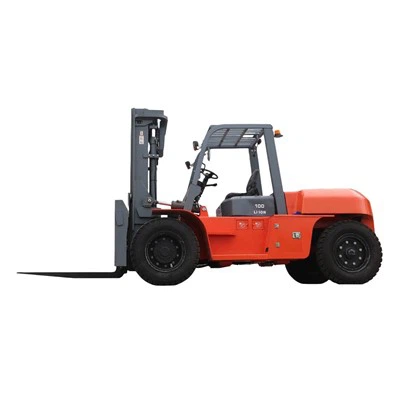
If you’re planning a construction project, need to upgrade your factory’s lifting equipment, or have questions about which crane is right for your location, we’d love to work with you. Give us a call to discuss your needs, and we’ll help you find the right crane for your project, no matter where it’s located.
Excavator References
- National Association of Crane & Rigging Providers. "Crane Site Safety and Pre-Use Planning Guidelines," 2022.
- Occupational Safety and Health Administration (OSHA). "Mobile Crane and Tower Crane Standards," 2021.
- Crane Manufacturers Association of America. "Overhead Crane Design and Site Requirements," 2020.
- Construction Industry Institute. "Urban Construction Crane Logistics and Access," 2023.
- International Organization for Standardization (ISO). "Crane Wind Load Calculations for Construction Sites," 2022.
China Machinery International Trading Co., Ltd.
China Machinery International Trading Co., Ltd. is one of the most experienced crane manufacturers and suppliers in China. We warmly welcome you to buy cheap crane made in China here from our factory. Quality products and reasonable price are available.
Address: Room 233, 2nd Floor, Building 16A, No. 1, Shuguang Xili Jia, Chaoyang District, Beijing
E-mail: Info@tajhzg.com
WebSite: https://www.cnmachinery-global.com/
