If you’ve ever stood next to a high-strength steel bridge cable, a precision gear for heavy machinery, or the smooth steel body of a luxury car, you’ve held (or leaned against) a product that likely went through a VOD process. As a supplier specializing in LF/VD/VOD refining furnaces, I’ve spent the last 18 years watching this process turn regular molten steel into material that can hold up to extreme pressure, corrosion, and temperature. Most people in steel refining know VOD is short for Vacuum Oxygen Decarburization, but the steps aren’t just a series of taps and readings—they’re a carefully calibrated dance between heat, gas, and vacuum that makes the difference between steel that fails after a decade and steel that lasts a lifetime. Today, I’m walking you through each step of the VOD process, from the moment molten steel leaves the basic oxygen furnace to the moment it’s ready to be cast into its final shape. LF/VD/VOD Refining Furnace
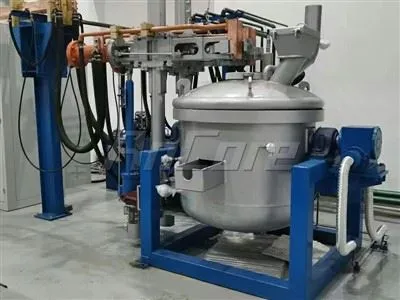
First, let’s set the stage with where VOD fits in the bigger steel picture. When steel is made in a basic oxygen furnace (BOF), it’s poured as “raw heat” – 1600°C molten metal loaded with carbon, sulfur, nitrogen, and other impurities that make it brittle or unstable. For regular structural steel, those impurities aren’t a big deal, but for specialty grades like stainless steel, tool steel, or high-temperature alloy steel for power turbines, you need to strip out almost all the excess carbon without ruining the steel’s other key elements, like chromium. That’s where VOD comes in. It’s not a standalone machine—it’s part of a refining sequence, usually paired with an LF (Ladle Furnace) and VD (Vacuum Degassing) unit, and as someone who builds and maintains these furnaces, I can tell you that getting the VOD steps right means you don’t waste 20 tons of molten steel (and thousands of dollars in raw materials) from a misstep.
The first step of the VOD process starts well before the vacuum chamber is even sealed: preparing the ladle charge. After the BOF pours heat into a refractory-lined ladle, that ladle gets moved over to the LF first, not straight to VOD. Wait—why? The LF’s job here is twofold: first, it adjusts the steel’s composition to hit the baseline we want before vacuum refining, and second, it raises the steel’s temperature a little. Vacuum processes cool molten steel down, and if you go into VOD too cold, you’ll solidify part of the heat before you’re done refining, which is a total loss. At the LF, we add ferroalloys like ferrosilicon or ferrochrome, adjust the carbon level to around 0.3–0.5% (that’s the sweet spot before decarburization), and use the LF’s arc heaters to bring the steel’s temperature up to between 1580°C and 1620°C—hot enough to stay liquid under vacuum. I’ve seen operators skip this step and regret it: once, a client of mine ran a VOD process with steel at 1550°C, and 3 tons of it solidified on the ladle walls, costing them $12,000 in scrap and lost time. That’s why pre-heating and composition tuning are non-negotiable first steps.
Once the LF checks pass (temperature, composition, no excessive slag), the ladle is moved to the VOD station. Here’s where the VOD’s core equipment comes in: the ladle sits inside a cylindrical vacuum chamber that can pull a vacuum down to 0.5 mbar (that’s 500 times lower than atmospheric pressure), and there are two key tools mounted above the ladle: an oxygen lance and a bottom porous plug for argon stirring. The second step of the process is pre-stirring and initial vacuum pulling. First, we turn on the argon flow through the bottom plug at a slow rate—around 100–150 NL/min—just to gently stir the steel. This mixes the surface slag with the molten metal so that when we pull the vacuum, gases can escape evenly, instead of getting trapped in pockets. Then we seal the vacuum chamber and start the vacuum pumps. It takes 8–12 minutes to pull the vacuum down to 0.5 mbar, and during this time, we keep monitoring the steel temperature and the pressure gauge. The big risk here is leaks in the chamber seal—even a tiny leak can raise the pressure, which will mess up the decarburization later. I do a quick check of the gasket every time I install a ladle in the VOD; a $20 replacement gasket has saved my clients from millions in ruined heat over the years.
Step three is the decarburization stage, the heart of the VOD process. This is what makes VOD different from other refining methods: under vacuum, the boiling point of carbon is much lower than it is at atmospheric pressure, so we can blow oxygen onto the steel surface to react with excess carbon, turning it into CO gas that bubbles out—without burning off the chromium, which is critical for stainless steel. Let me break that down simply: at normal pressure, oxygen would react with chromium before carbon, wasting the expensive chromium we added at the LF. But at 0.5 mbar, carbon reacts with oxygen 15 times faster than chromium does. That’s the magic. So once the vacuum is stable at 0.5 mbar, we turn on the oxygen lance, set to a flow rate of 200–300 m³/hour, and lower it to 50–70 cm above the steel surface. The argon stirring is turned up a little here, to 200–250 NL/min, to keep the steel mixed so the oxygen reacts evenly, not just in one spot. We monitor the process with an off-gas analyzer, which measures the CO and CO₂ coming out of the vacuum chamber. When the CO levels drop, that tells us most of the excess carbon is gone. How long does decarburization take? For a 50-ton heat, it’s usually 12–18 minutes. But we never go by time alone—we test the steel’s composition every 5 minutes with a quick dip sample, because every heat is a little different. Last month, a client working on super-duplex stainless steel had a heat where carbon dropped 0.1% faster than usual, so we pulled the lance 3 minutes early to avoid over-decarburizing, which would have lowered the chromium content too much. That’s the kind of real-time judgment you can’t get from a textbook.
Once decarburization hits the target carbon level (usually 0.005–0.02% for stainless steel), we move to step four: vacuum degassing and composition adjustment. The oxygen lance is pulled up, and we start adding the next set of ferroalloys—this is when we add the chromium, nickel, molybdenum, or other high-value elements that we didn’t add earlier, because some of them would oxidize and be lost during decarburization if we added them at the LF. Wait, right—when you blow oxygen, some elements react, so if you add expensive molybdenum before decarburization, half of it would turn into slag and stick to the ladle. Adding them after decarburization, under vacuum, means they stay in the steel, not in the slag. We also adjust the steel’s temperature here, raising it 10–20°C if needed with the VOD’s auxiliary arc heater, since adding alloys can cool the steel down. The argon stirring stays on, at a higher rate now—250–300 NL/min—to make sure the new alloys mix evenly throughout the heat. We keep the vacuum pulled during this entire step, which lets any remaining nitrogen or hydrogen in the steel bubble out—those are bad, because they cause porosity in the finished casting, which weakens the steel. For high-grade tool steel, hydrogen levels need to be below 2 ppm, and the vacuum is key to hitting that.
Step five is the final adjustment and degassing, which wraps up the VOD process before we take the ladle out. This step is shorter, usually 5–10 minutes, but it’s where we fix any last small issues. First, we test the steel’s temperature and composition one more time. If the carbon is slightly over target, we can adjust the argon flow and the vacuum pressure a little to pull out any remaining trace carbon, or if we need a tiny bit more carbon, we add a small amount of carbon powder. We also add a final flux, like lime, to the slag, which helps trap any remaining impurities and makes it easier to remove the slag later when we go to cast. During this final phase, we lower the argon flow a little, to 150 NL/min, so we don’t stir up slag into the top of the steel—sticking slag in the final casting causes defects, so we want it to stay separate. When the temperature, composition, and impurity levels all meet the mill’s specifications, we turn off the vacuum pumps, break the chamber seal, and move the ladle out of the VOD station.
Wait, but that’s not the end of the story, right? After VOD, the ladle goes to the VD station for one last vacuum pass to make sure all residual gases are gone, but the core VOD process is done at that point. I want to emphasize that these steps aren’t rigid timelines—they’re flexible, based on the grade of steel, the size of the heat, and the raw materials from the BOF. For example, a 10-ton heat of thin-gauge stainless steel will have a shorter decarburization step (8 minutes) than a 100-ton heat of thick plate steel (20 minutes), because the larger volume takes longer for gases to bubble out. That’s why the operators who run these furnaces are as important as the furnaces themselves—they need to adjust on the fly, not just follow a pre-written procedure.
As a VOD equipment supplier, I’ve seen a lot of people underestimate the importance of this process. I’ve had clients come to me saying their current VOD furnaces are only getting 80% of their heats to pass quality checks, and after inspecting their process, it’s always one of the steps I outlined here: they pulled the vacuum too fast, forgot to pre-stir, added alloys at the wrong time, or didn’t adjust the argon flow correctly. That’s why the equipment we build isn’t just a chamber with a lance—we design our LF/VD/VOD systems with real-time monitoring tools that track temperature, pressure, gas flow, and composition every second, so operators don’t have to guess. We also train their teams on not just the steps, but why each step matters—like explaining that decarburization under vacuum is the only way to get ultra-low carbon levels without wasting expensive chromium, so they understand why rushing that step is a bad idea.
If you’re a steel mill operator, a process engineer, or someone who works with specialty steel products, you know that even a 1% improvement in heat quality or a 5% reduction in scrap waste can add up to millions of dollars a year. The VOD process is that sweet spot between refining efficiency and product quality. It’s the reason your high-end kitchen appliances don’t rust, why the wind turbine blades don’t crack under pressure, and why the oil pipelines carry millions of barrels without leaking.

If you’re looking to upgrade your refining process, or if you need new LF/VD/VOD furnaces tailored to your steel grades, reach out to discuss your specific requirements. Our team works with mills of all sizes, from small specialty steel producers to large integrated steel plants, to build systems that fit their production goals, not a one-size-fits-all design. We can also help with process optimization to cut scrap rates and reduce energy costs, because at the end of the day, the best VOD process isn’t just the one that works—it’s the one that works for your business.
LF/VD/VOD Refining Furnace For those wanting to dive deeper into the technical details of VOD refining, here are the core references for the process steps and metallurgical principles:
- The Making, Shaping, and Treating of Steel, 11th Edition, Association for Iron and Steel Technology
- Vacuum Metallurgy: Principles and Practice, K. W. Lange
- Ladle Metallurgy: Principles and Applications, V. Ramakrishnan and A. K. Lahiri
- Steelmaking Refining Processes, R. J. Fruehan
Xi’an Ancore Furnace Complete Set Of Equipment Co., Ltd.
As one of the most professional LF/VD/VOD refining furnace manufacturers and suppliers in China, we’re featured by quality products and good price. Please rest assured to buy durable LF/VD/VOD refining furnace made in China here from our factory. We also accept customized orders.
Address: Yongli 11007, No.6 Jinye 1st Road, Yan Ta District, Xi’An City, Shan Xi, China
E-mail: info@ancorefurnace.com
WebSite: https://www.ancorefurnace.com/
