If you’ve ever stood in the linens aisle of a store, staring at stacks of bed sheets and wondering why some feel soft and stretchy while others have that crisp, structured feel, you’ve probably asked the same question I’ve heard from hundreds of customers at our supply company: Are bed sheets knit or woven? As someone who’s worked in both knit and woven fabric manufacturing for more than a decade, I’ve seen this question come up again and again—especially when retailers or custom brand owners are choosing which fabrics to source for their products. It’s not just a matter of texture, either. The difference between knit and woven sheets impacts durability, comfort, care, and even how the sheets drape on a bed. Today, I want to break down the science behind both types, share what I’ve learned from working with suppliers and customers, and help you understand which might be the right fit for your needs. Knit and Woven
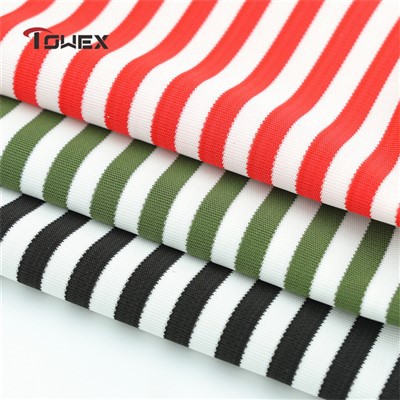
First, let’s start with the basics: what does it mean for a fabric to be knit vs. woven? It’s all in how the yarns are put together. Woven fabric is made by interlacing two sets of yarns at right angles: the lengthwise yarns are called the warp, and the crosswise yarns are the weft, or fill. A loom pulls the warp tight and passes the weft over and under each warp thread, creating a grid-like structure. Knit fabric, on the other hand, is made by looping a single (or multiple) yarn(s) into stitches. Think of a sweater you might have knit by hand, where each new loop pulls through the last one. That looping structure is what gives knit fabrics their stretch and softness.
When it comes to bed sheets, both methods are used, but each has distinct pros and cons. Let’s dive into woven sheets first, since they’re the most traditional type. Most of the high-thread-count sheets you see advertised—like percale, sateen, and linen sheets—are woven. Let’s go through each common woven sheet type to see why they’re popular. Percale, for example, is a plain weave: the weft goes over and under every warp thread in a simple, uniform pattern. This creates a crisp, lightweight fabric that’s cool to the touch, which is why percale sheets are so great for people who run hot at night. They’re also durable; the tight plain weave resists pilling, and with proper care, they can last for years. Sateen, by contrast, uses a satin weave: the weft yarns float over four or more warp threads before going under just one. This gives sateen a smooth, silky surface that feels luxuriously soft, and it has a subtle sheen that makes it look more formal. But because of that long float, sateen can be more prone to snags than percale. Linen, another woven favorite, is made from flax fibers, and its unique woven structure gives it that characteristic slightly wrinkled look and breathable, crisp feel. Linen sheets are great for warm weather, too, as the fiber is highly moisture-absorbent.
Now, what about knit bed sheets? You might be less familiar with these, but they’ve grown a lot in popularity over the past 10 years. The most common type of knit sheet is jersey knit, which is the same fabric used for t-shirts. Jersey knit sheets are made by looping yarns into a single stitch, which gives them tremendous stretch and a super soft, cozy feel—almost like wearing a well-worn t-shirt to bed. Because knit fabrics drape more than woven ones, jersey sheets fit snugly around mattresses, making them a popular choice for people who hate loose, shifting sheets. They’re also very easy to care for: they don’t wrinkle as much as woven sheets, and they hold up well to machine washing. Another type of knit sheet is interlock knit, which is a double knit fabric made by interlocking two sets of loops. Interlock is thicker than regular jersey, more durable, and doesn’t roll or curl at the edges as easily, which is why it’s often used for high-quality knit sheet sets.
Now, let’s talk about the key differences that matter most when choosing between knit and woven sheets, based on what we’ve seen at our supply company. First, stretch and drape: knit fabrics have natural elasticity because of their looped structure, which means they can stretch to fit different mattress sizes and contour to your body. Woven fabrics, because of their interlaced warp and weft, don’t have much stretch at all—most of the “stretch” in woven sheets comes from the yarns themselves, not the fabric structure. That means woven sheets might feel tighter and less forgiving, while knit sheets feel more flexible and move with you as you sleep.
Next, breathability. This is where there’s a little give and take. Woven sheets like percale and linen are very breathable because their tight grid structure allows air to circulate, and natural fibers like linen and cotton (used in percale) wick moisture away. Jersey knit sheets, on the other hand, can trap heat more easily because the looped structure holds air close to the body, though modern moisture-wicking knits (made with polyester or blends) have helped fix this issue for people who run hot. That said, many people love jersey sheets for winter because their extra softness and slight warmth feel comforting on cold nights.
Durability and care: Woven sheets, especially percale and linen, are extremely durable. The tight weave resists tearing, and with each wash, they actually get softer (for a while, at least). Sateen can be more delicate, though, and prone to snags if you have rough sheets or furniture. Knit sheets, while very soft, can pill over time, especially if they’re made with lower-quality yarns. Higher-end interlock knits pill much less, but they’re still not as resistant to pilling as woven sheets. Care-wise, knit sheets are generally low-maintenance: they don’t need ironing, and they dry quickly. Woven sheets, especially sateen and linen, might wrinkle more, though linen’s wrinkles are part of its charm for many people.
Wait, let’s get into a common myth: thread count. You’ve probably seen thread count advertised as a key selling point for woven sheets, like “1000-thread-count cotton sheets.” But thread count doesn’t mean the same thing for knit sheets—knit fabrics don’t use warp and weft, so their quality is measured by stitch density instead. That’s an important distinction, because a lot of people new to sourcing sheets get confused when they see a knit sheet with a high stitch count. At our supply company, we make sure to explain that to every customer who comes to us, so they don’t mix up the two metrics. Thread count is total number of warp and weft threads per square inch, while stitch density is the number of stitches per inch in a knit fabric. It’s not that one is better than the other, just that they measure different things.
Another point: use cases. Woven sheets are still the go-to for hotels and formal bedding, because of their crisp look, durability, and the wide range of options (percale, sateen, linen). Knit sheets are more popular for casual, cozy bedding, especially for people who prefer the feel of a t-shirt or loungewear. We’ve worked with a lot of boutique brands that carry both lines—they’ll offer woven sheets for customers who want a crisp, hotel-like feel and knit sheets for customers who prioritize softness and ease of use. That’s a strategy that works really well, because it caters to different customer preferences.
Let me share a story from a customer of ours to illustrate this. A few years ago, a small home goods brand came to us looking to add a line of bed sheets to their catalog. They were torn between woven and knit—they had seen great feedback on both, but didn’t know which to choose. We worked with them to source a small run of both: a woven percale line and a jersey knit line. The percale sold well to customers looking for lightweight, cool sheets, while the knit sold even better to younger customers who wanted soft, easy-care sheets that fit tightly on their mattresses. After that, they added both lines permanently, and they’ve been growing ever since. That’s why we always tell customers: it’s not a matter of which is “better,” it’s a matter of what your target audience wants.
Now, let’s clear up a few common misconceptions. Some people think knit sheets are “cheaper” than woven sheets, but that’s not always true. High-quality interlock knit sheets, made with long-staple cotton, can be just as expensive as high-thread-count woven sheets. Conversely, low-quality woven sheets (made with short-staple cotton or a loose weave) can be more affordable than mid-range knit sheets. The quality of the yarn and the construction, not just whether it’s knit or woven, determines price.
Another myth: all knit sheets stretch out over time. While cheap jersey knit sheets might stretch if they’re not properly cared for, high-quality knit sheets (especially interlock) are designed to retain their shape. The interlock structure has two layers of loops that lock together, so they don’t stretch or curl at the edges like single jersey. Woven sheets, by contrast, will actually shrink a little after the first few washes if they’re not pre-shrunk, which is why most commercial sheets are pre-shrunk before being sold.
So, when you’re choosing between knit and woven bed sheets, what should you look for? Let’s break it down by priority:
- If you prioritize coolness, crispness, and durability: go for woven. Percale is a great all-around option, sateen if you want a silky feel, linen if you love a natural, relaxed look.
- If you prioritize softness, stretch, and ease of care: go for knit. Jersey is perfect for a cozy feel, interlock for a more durable, shape-retentive option.
- If you’re looking for a specific aesthetic: woven sheets come in a wider range of crisp, formal looks, while knit sheets are more casual and laid-back.
At our company, we’re lucky to work with both knit and woven fabrics, so we can help you source exactly what you need, whether you’re a brand looking to add sheets to your line or a retailer curating your inventory. We’ve spent years perfecting our sourcing processes, working with mills that use the highest-quality yarns and construction methods to make sure every sheet we supply meets our standards for comfort and durability. We don’t cut corners on quality, because we know that’s what keeps our customers coming back.
If you’re still unsure which type of sheet is right for you, or if you’re ready to start sourcing your own line of bed sheets, I’m here to help. We can walk you through the differences, share sample swatches, and work with you to create a product that fits your brand and your customers’ needs. Whether you’re a small boutique or a large retail chain, we have the capacity and expertise to meet your orders, no matter the size.
Don’t let the knit vs. woven debate hold you back from creating the perfect bed sheets. Reach out to our team to discuss your requirements, ask questions, and learn more about how we can support your supply needs. We’re always happy to share our knowledge and help you make the best choice for your business.
Twisted and Covered References
- Textile Institute. (2020). Textile Fabric Construction: Knit vs Woven Structures. Textile Institute Press.
- Cotton Council International. (2021). Understanding Cotton Sheet Types: Woven and Knit. Cotton Council International.
- Journal of Home Textiles Technology. (2019). Comfort Properties of Knit and Woven Bed Fabrics. Journal of Textile Science and Engineering.
- Linen Association of America. (2022). Linen Woven Fabrics for Bedding: Benefits and Care. Linen Association of America.
- International Fabrics Association. (2020). Stitch Density vs. Thread Count: Metrics for Bed Sheet Quality. International Fabrics Association.
Jiaxing Towex New Materials Co., Ltd.
Jiaxing Towex New Materials Co., Ltd. is one of the most experienced knit and woven manufacturers and suppliers in China, also supports customized service with low price. Please feel free to buy bulk high quality knit and woven in stock here from our factory. Contact us for quotation.
Address: Building 1666, Wuzhen High-tech Zone, Tongxiang City, Zhejiang Province
E-mail: sales@towextech.com
WebSite: https://www.topuhmwpe.com/
