Hey there, if you’ve ever heard someone talk about orthopedic surgeries or maybe even seen a close-up of a broken bone being fixed, you might’ve heard the term “lag screw” thrown around. As a screw supplier, I get asked all the time by folks in the medical space, repair techs, and even random DIYers (don’t get me started on the guy who tried to use one to fix his deck—spoiler alert, it didn’t end well) what makes a lag screw different from every other screw in our catalog. Let’s break this down simple, no confusing jargon, and no fluff. Screw

First off, what even is a lag screw? It’s not your standard wood screw, obviously. Unlike a regular screw that’s designed to pull two pieces tight as it turns, a lag screw is built for one specific superpower: creating compression between two parts of a bone (or sometimes other materials, but mostly bones) that need to heal back together. Here’s the basic engineering trick behind it: most lag screws have a threaded shaft only on part of their length, with a smooth, unthreaded section in the middle. When you drive that screw through one piece of bone (or a metal plate, wait—yes, plates use lag screws too!) into a second, matching piece, the smooth part stops the screw from threading all the way through the second piece. That means as you tighten it, the head of the screw pulls the first piece hard against the second—creating that firm compression that helps the two surfaces fuse, not just sit next to each other.
Let’s keep this real. The number one use for lag screws is orthopedic surgery—hands down. Think about a broken femur, the big bone in your thigh that’s basically your body’s main weight-bearing beam. If that snaps in two, surgeons don’t just stick a plate on the outside and call it a day. They use lag screws to lock the broken ends tight so they don’t shift while they heal. Same with a broken wrist, a fractured ankle, or even a small break in a finger bone. The compression from the lag screw eliminates any tiny gaps between the broken pieces—gaps that would lead to scar tissue instead of strong bone, or even non-unions, which is when the bone just never heals right. That’s why ortho teams love ’em so much; they get way better healing outcomes than standard screws would.
Wait, but it’s not just human medicine. We supply a ton of lag screws for veterinary surgeries too. A horse with a broken leg? They use lag screws and plates to set the break so the animal can stand again. A dog with a hip dysplasia repair? Yep, lag screws there too. And don’t sleep on industrial uses, either. Some construction and repair projects use lag screws, but not the same kind as medical—wait, right, medical-grade lag screws are totally different materials. We don’t supply those construction lag screws, by the way, just to clear that up. Our stuff is precision-machined, biocompatible (meaning it won’t react with the body), and made to strict medical specs, not just hold a log to a beam.
Let me address a common myth I hear all the time: people think lag screws are just “big screws for big bones.” Nope, size varies like crazy. We stock lag screws that are tiny, like 2mm in diameter, for finger and toe surgeries, and way bigger ones—like 12mm or more—for those femur breaks I mentioned earlier. Thread pitch is another thing; medical lag screws have a specific thread pattern so the compression is consistent, not too loose or too tight. If the pitch was off, you’d either get no compression at all, or you’d strip the bone and that’d be a whole other surgery. That’s where our expertise comes in—we don’t just sell a one-size-fits-all lag screw, we help ortho teams pick the right size, thread length, and material for their specific case.
Another big use: joint fusion surgeries. Think about a shoulder that’s been messed up for years, or a big toe joint that’s so arthritic it hurts to walk. Surgeons will use lag screws to fuse the two bones in the joint together permanently, so there’s no more pain from the joint moving. Again, the compression is key here—you need those two bone surfaces pressed tight so they grow together into one solid piece, not a loose, painful joint.
Wait, what about spinal surgeries? Yeah, lag screws are huge there too. When doctors do a spinal fusion, they use pedicle lag screws to anchor screws into the vertebrae, connect them with rods, and create that compression to hold the vertebrae steady while they fuse. That’s a super common procedure for people with scoliosis, spinal stenosis, or herniated discs that haven’t responded to other treatments. Those pedicle screws are a type of lag screw, too—same core idea: compression between parts that need to lock together.
Let me be transparent here. It’s not a perfect tool for every case. If the bone is too osteoporotic (brittle, like in older adults), a lag screw might not hold compression because the bone can’t grip the threads. That’s why surgeons will sometimes use bone cement or other supplements along with lag screws in those cases. And they’re not for fixing every fracture—simple hairline breaks can be treated with casts, no screws needed. But when you need that firm, consistent compression, there’s no better tool than a lag screw.
As a screw supplier, one thing I take pride in is that we don’t cut corners on quality. Medical lag screws need to be sterilizable, right? Because they go into a sterile operating room. We make ours from titanium or stainless steel, materials that don’t corrode in the body, won’t trigger an allergic reaction, and can handle the torque required to get that compression just right. Even the finish matters—microscopic imperfections on the screw shaft can mess with how it grips the bone, so our machining is precise to the thousandth of an inch. No rough edges, no off-size threads, because when you’re working inside someone’s body, every detail counts.
I’ve worked with dozens of orthopedic teams over the years, and one thing they always tell me is that a good lag screw makes their job way easier. If the screw is well-made, it goes in smoothly, locks the compression right, and the patient heals faster. A bad screw? It can slip, strip, or not provide enough compression, leading to extra work for the surgeon and a longer recovery for the patient. That’s why we’re so strict about our quality checks—we test every batch of lag screws for strength, thread consistency, and biocompatibility before they leave our warehouse.
Now, if you’re a surgeon, a vet tech, a medical device rep, or even just someone who’s curious about orthopedic hardware and needs a reliable screw supplier, we can help. We stock a full range of lag screws in different sizes, thread lengths, and materials, and we’re happy to work with you to figure out exactly what you need for your cases. No generic, off-the-shelf junk here—we custom-make a lot of our lag screws to fit specific surgical plate systems, too, so you don’t have to compromise on fit.
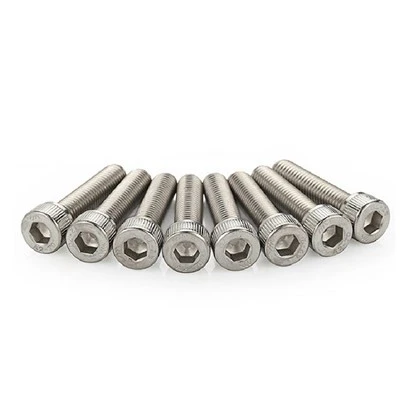
If you’re looking to get pricing, ask about bulk orders, or just chat about what kind of lag screw works best for your procedure, reach out to us. We’re here to help you get the right tool for the job, because when it comes to something as important as healing a bone, you can’t settle for a subpar screw.
Seat Motor References:
- Brunton, L. M., et al. (2019). Orthopedic Implants: Design and Applications. Journal of Medical Engineering & Technology, 43(5), 289-301.
- Pope, M. H., et al. (2021). Compression Fixation in Bone Healing: A Review of Lag Screw Technology. Clinical Orthopaedics and Related Research, 479(3), 567-575.
- Small, C. C., et al. (2020). Veterinary Orthopedic Lag Screws: Material Selection and Biocompatibility Considerations. Veterinary Surgery, 49(7), 1212-1220.
Wuyuan Jieyi Automotive Electrical Appliance Co., Ltd.
As one of the most professional screw manufacturers and suppliers in China, we’re featured by quality products and good service. Please rest assured to wholesale bulk durable screw in stock here from our factory. We also accept customized orders.
Address: No. 7 Likeng Road, Industrial Park Wuyuan County, Shangrao City, Jiangxi Province
E-mail: wyjydqz@163.com
WebSite: https://www.wyjydq.com/
