Calibrating a radar level meter in the field is a crucial process that ensures accurate and reliable measurement of liquid or solid levels in various industrial applications. As a supplier of radar level meters, I understand the importance of providing customers with detailed guidance on how to perform this calibration effectively. In this blog post, I will share some practical steps and tips on how to calibrate a radar level meter in the field. Radar Level Meter
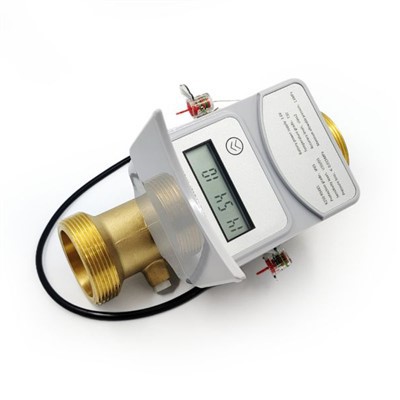
Understanding the Basics of Radar Level Meter Calibration
Before diving into the calibration process, it’s essential to understand the basic principles of how a radar level meter works. Radar level meters use electromagnetic waves to measure the distance between the sensor and the surface of the material being measured. The time it takes for the radar signal to travel to the material and back is used to calculate the level.
Calibration is the process of adjusting the radar level meter to ensure that it provides accurate measurements. This involves setting the zero point (the level when the tank is empty) and the span point (the level when the tank is full). Proper calibration ensures that the meter’s output corresponds accurately to the actual level of the material in the tank.
Step 1: Pre – calibration Preparation
Safety First
Before starting any calibration work, ensure that you follow all safety protocols. This includes wearing appropriate personal protective equipment (PPE), such as safety glasses, gloves, and hard hats. If you are working in a hazardous environment, make sure that all safety procedures for that environment are strictly adhered to.
Familiarize Yourself with the Equipment
Read the user manual of the radar level meter thoroughly. The manual contains detailed information about the meter’s features, functions, and calibration procedures. Make sure you understand all the technical specifications and requirements for calibration.
Check the Installation
Ensure that the radar level meter is installed correctly. Check for proper mounting, alignment, and cable connections. Any loose connections or improper installation can affect the accuracy of the measurements.
Step 2: Initial Setup
Power On the Meter
Switch on the radar level meter and allow it to warm up for the recommended time. This allows the internal components to stabilize and ensures accurate operation.
Select the Calibration Mode
Most radar level meters have a built – in calibration mode. Use the display and control buttons on the meter to enter the calibration mode. Refer to the user manual for specific instructions on how to access this mode.
Step 3: Establishing the Zero Point
Empty the Tank
For the most accurate zero – point calibration, the tank should be completely empty. This ensures that the meter measures the true minimum level.
Enter Zero – Point Calibration
Once the tank is empty, follow the meter’s instructions to start the zero – point calibration process. The meter will typically take a series of measurements and calculate the zero point based on these readings. Make sure the area around the meter and the tank is calm, as any disturbances can affect the calibration accuracy.
Verify the Zero Point
After the calibration is complete, verify the zero – point reading. The meter should display a level reading close to zero. If the reading is significantly off, repeat the zero – point calibration process.
Step 4: Determining the Span Point
Fill the Tank to the Known Level
Fill the tank to a known maximum level. This can be the tank’s full capacity or a pre – determined high level. Use a reliable method to measure the actual level, such as a dipstick or a reference level gauge.
Enter Span – Point Calibration
Access the span – point calibration function on the radar level meter. The meter will take measurements and adjust its output based on the known level in the tank. The calibration process may take a few minutes as the meter analyzes the radar signals.
Confirm the Span Point
Once the span – point calibration is completed, check the meter’s reading. It should match the actual level in the tank within an acceptable margin of error. If there is a significant difference, review the calibration process and repeat if necessary.
Step 5: Fine – Tuning and Verification
Make Minor Adjustments
After the zero and span points are calibrated, you may need to make some minor adjustments to improve the accuracy. This can be done through the meter’s adjustment settings. Refer to the user manual for guidance on how to make these adjustments.
Take Multiple Readings
To ensure the reliability of the calibration, take multiple readings at different levels in the tank. Compare these readings with the actual levels measured using a reference method. If there are consistent discrepancies, further calibration or troubleshooting may be required.
Step 6: Documentation
Record the Calibration Details
Keep a detailed record of the calibration process, including the date, time, zero and span values, and any adjustments made. This documentation is essential for quality control and future reference.
Troubleshooting Tips
Interference Issues
If you encounter interference during the calibration process, check for sources of interference such as nearby equipment, metal structures, or electrical noise. Relocating the meter or using shielding may help reduce interference.
Signal Absorption
In some cases, the material being measured may absorb the radar signal, leading to inaccurate readings. If this is the case, consult the manufacturer’s guidelines for possible solutions, such as changing the antenna type or adjusting the signal parameters.
Why Choose Our Radar Level Meters
At [our unnamed company], we take pride in providing high – quality radar level meters that are designed for accuracy, reliability, and ease of use. Our meters are equipped with advanced technology that ensures stable and precise measurements in a wide range of industrial applications.
Our support team is always available to provide technical assistance and guidance on calibration and maintenance. We understand that every customer’s needs are unique, and we are committed to working closely with you to find the best solutions for your level measurement requirements.
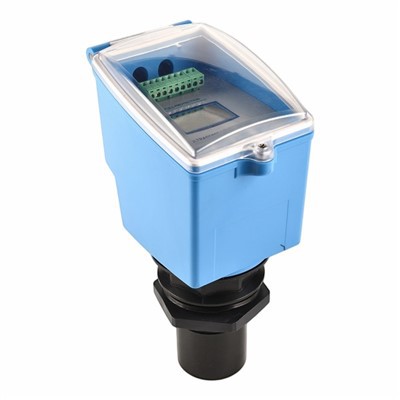
Ultrasonic Level Meter If you are interested in purchasing our radar level meters or need more information on calibration and other technical aspects, please feel free to contact us. We look forward to discussing how our products can meet your specific needs and help you achieve efficient and accurate level measurement in your operations.
References
- [Name of the radar level meter user manual]
- Industrial Instrumentation Handbook (Author’s name, Publisher, Year)
- Journal articles related to radar level measurement technology and calibration
Dalian Yheng Technology Co., Ltd.
Dalian Yheng Technology Co., Ltd. is one of the leading radar level meter manufacturers and suppliers in China, also supports customized service. We warmly welcome you to buy high quality radar level meter in stock here from our factory. Contact us for more details.
Address: F1605, NO.10 Huoju road, High-tech Industrial Zone, Dalian, China
E-mail: admin@dlyheng.com
WebSite: https://www.yhengphmeter.com/
