Do commercial refrigeration units require special ventilation? Commercial Refrigeration Unit
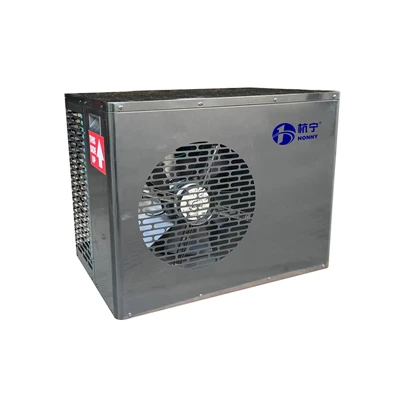
As a supplier of commercial refrigeration units, I’ve encountered numerous inquiries from clients regarding the necessity of special ventilation for these systems. This topic is not only crucial for the optimal performance and longevity of the units but also for the safety and comfort of the environment where they operate. In this blog, I’ll delve into the reasons why special ventilation is often required for commercial refrigeration units, the potential consequences of neglecting it, and how to implement effective ventilation solutions.
The Science Behind Refrigeration and Ventilation
Commercial refrigeration units work by removing heat from the interior space and expelling it to the outside. This process involves a refrigeration cycle where a refrigerant absorbs heat from the inside of the unit, is compressed, and then releases the heat through a condenser. During this heat transfer process, a significant amount of heat is generated, and without proper ventilation, this heat can build up in the surrounding area.
The condenser, a key component of the refrigeration system, is responsible for dissipating the heat absorbed from the interior. It typically consists of a series of coils through which the hot refrigerant flows, and a fan blows air over the coils to transfer the heat to the surrounding air. If the air around the condenser is not properly ventilated, it becomes warmer and less effective at absorbing the heat from the coils. This leads to a decrease in the efficiency of the condenser, causing the compressor to work harder to maintain the desired temperature. As a result, the energy consumption of the refrigeration unit increases, and the wear and tear on the components also accelerate, reducing the lifespan of the unit.
Reasons for Special Ventilation
Heat Dissipation
As mentioned earlier, the primary function of ventilation in commercial refrigeration is to facilitate heat dissipation. Commercial kitchens, supermarkets, and other establishments where these units are commonly used often have limited space and high ambient temperatures. Without adequate ventilation, the heat generated by the refrigeration units can raise the temperature in the room, creating an uncomfortable working environment and potentially affecting the quality of food and other products stored in the refrigerators. Special ventilation systems are designed to remove the hot air generated by the condensers and replace it with cooler air, ensuring that the refrigeration units can operate at optimal efficiency.
Air Quality
In addition to heat dissipation, proper ventilation helps to maintain good air quality in the area where the refrigeration units are located. Refrigerants used in commercial refrigeration systems can be harmful to human health if they leak. Some refrigerants, such as hydrofluorocarbons (HFCs) and hydrochlorofluorocarbons (HCFCs), are potent greenhouse gases that can contribute to global warming. In the event of a refrigerant leak, special ventilation systems can help to quickly remove the leaked refrigerant from the area, reducing the risk of exposure to harmful chemicals and minimizing the environmental impact.
Moisture Control
Commercial refrigeration units can also generate moisture as part of the cooling process. Excess moisture in the air can lead to the growth of mold and mildew, which can not only damage the refrigeration units and the surrounding structures but also pose a health risk to the occupants. Special ventilation systems can help to control the humidity levels by removing the moist air and introducing drier air into the space.
Consequences of Inadequate Ventilation
Reduced Efficiency and Increased Energy Costs
When commercial refrigeration units do not have proper ventilation, the heat build – up around the condensers causes the system to become less efficient. The compressor has to work harder to maintain the desired temperature, which leads to increased energy consumption. Over time, this can result in significantly higher energy bills for the business. Studies have shown that inadequate ventilation can increase the energy consumption of a refrigeration unit by up to 30%.
Premature Equipment Failure
The increased workload on the compressor and other components due to poor ventilation can cause premature wear and tear. This can lead to frequent breakdowns and ultimately, the need for costly repairs or replacement of the refrigeration unit. Components such as the compressor, condenser fan, and electrical controls are particularly susceptible to damage when the unit is operating in a hot and poorly ventilated environment.
Food Safety Risks
In commercial kitchens and food storage facilities, the proper functioning of refrigeration units is essential for food safety. If the refrigeration units are not operating efficiently due to inadequate ventilation, the temperature inside the units may not be maintained at the required level. This can lead to the growth of bacteria and other microorganisms, increasing the risk of food spoilage and foodborne illnesses.
Implementing Effective Ventilation Solutions
Types of Ventilation Systems
There are several types of ventilation systems that can be used for commercial refrigeration units. One of the most common types is natural ventilation, which relies on the movement of air through openings in the building, such as windows and vents. While natural ventilation can be effective in some situations, it may not be sufficient in areas with high heat loads or limited airflow.
Mechanical ventilation systems, on the other hand, use fans and ducts to move air in and out of the area. These systems can be more precise and effective in controlling the temperature and air quality. For example, exhaust fans can be installed near the condensers to remove the hot air, and intake fans can be used to bring in fresh air from outside.
Sizing and Location
When designing a ventilation system for commercial refrigeration units, it is important to accurately size the system based on the heat output of the units and the size of the space. A ventilation system that is too small will not be able to effectively remove the heat, while a system that is too large can be wasteful and expensive to operate.
The location of the ventilation intake and exhaust vents is also crucial. The intake vents should be located away from sources of heat and pollution, while the exhaust vents should be positioned to direct the hot air away from the building and any areas where people may be present.
Maintenance
Regular maintenance of the ventilation system is essential to ensure its proper functioning. This includes cleaning the ducts, filters, and fans, as well as checking for any leaks or damage. A well – maintained ventilation system will not only improve the efficiency of the refrigeration units but also extend their lifespan.
Conclusion
In conclusion, commercial refrigeration units do require special ventilation. Proper ventilation is essential for heat dissipation, air quality control, and moisture management. Neglecting ventilation can lead to reduced efficiency, increased energy costs, premature equipment failure, and food safety risks. As a supplier of commercial refrigeration units, I strongly recommend that our clients invest in high – quality ventilation systems and ensure their proper installation and maintenance.
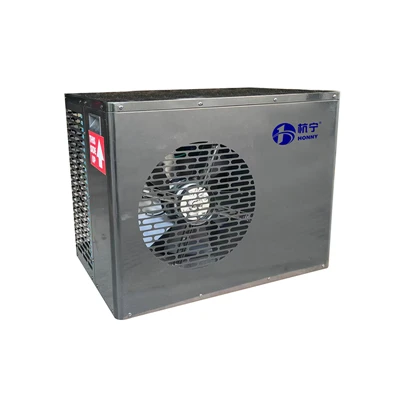
If you are in the process of purchasing commercial refrigeration units or need advice on ventilation solutions, I encourage you to contact us. Our team of experts can provide you with detailed information and customized recommendations based on your specific requirements. Whether you are a restaurant owner, a supermarket manager, or an industrial food processor, we have the expertise and products to meet your needs. Start a conversation today and let’s work together to create an efficient and reliable refrigeration and ventilation system for your business.
Swimming Pool Heat Pump References
- ASHRAE Handbook – HVAC Systems and Equipment. American Society of Heating, Refrigerating and Air – Conditioning Engineers.
- Refrigeration and Air – Conditioning Technology. Eugene Silberstein, Lanier King, et al. Delmar Cengage Learning.
Hangzhou Honny Heat Energy Technology Co., Ltd.
We are one of the most experienced commercial refrigeration unit manufacturers and suppliers in China. With a professional production team, we are able to meet the needs of the majority of our customers. Please feel free to wholesale customized commercial refrigeration unit from our factory. Also, quotation is available.
Address: Dingshan Village, Wenyan Subdistrict, Xiaoshan District, Hangzhou City, Zhejiang Province
E-mail: 524435406@qq.com
WebSite: https://www.hnrnkj.com/
