Hey there! I’m a supplier of sheet metal fabrication equipment, and I’ve been in this industry for quite a long time. One of the most common questions I get from customers is, "What are the differences between manual and automatic sheet metal fabrication equipment?" Well, in this blog post, I’m gonna break it down for you. Sheet Metal Fabrication Equipment
1. Operation Process
Let’s start with the operation process. Manual sheet metal fabrication equipment is, as the name suggests, operated by hand. You’ve gotta have a skilled technician who knows how to use tools like shears, brakes, and punches. They use their hands to guide the metal through the equipment, make measurements, and ensure that the cuts and bends are accurate.
For example, when using a manual shear, the operator has to line up the sheet metal exactly where they want to cut it and then use a lever to make the cut. It’s a bit like using a giant pair of scissors. With a manual brake, the operator has to position the metal, set the angle of the bend, and then use a hand crank to bend the metal.
On the other hand, automatic sheet metal fabrication equipment is powered by computers and motors. You just input the specifications of the parts you want to make into the computer, and the machine does the rest. It can cut, bend, and form the metal with a high degree of precision and repeatability.
For instance, an automatic laser cutting machine can read a digital file of the part design and then use a laser beam to cut the metal according to the exact dimensions. An automated press brake can bend the metal at the right angles without any manual adjustment every time.
The difference in operation process also means that manual equipment requires more human labor. You need an experienced operator to run it, and it takes longer to produce parts compared to automatic equipment. But in some cases, the human touch in manual operations can be an advantage, especially for custom or small – batch jobs where a bit of flexibility and creativity are needed.
2. Precision and Accuracy
When it comes to precision and accuracy, automatic sheet metal fabrication equipment generally has the upper hand. These machines are programmed to perform the same task over and over again with minimal variation. The computer control system ensures that every cut, bend, or hole is placed exactly where it should be, within very tight tolerances.
For example, in a mass – production setting, an automatic turret punch press can punch holes in a sheet of metal with an accuracy of ±0.1 mm. This high level of precision is crucial for industries like aerospace and electronics, where even the slightest deviation can lead to product failure.
Manual equipment, however, relies on the skill and experience of the operator. While a highly skilled technician can achieve very good precision, there’s always a bit of human error involved. The accuracy might vary from one part to another, and it’s more difficult to maintain a consistent level of precision over a large number of parts. For example, when using a manual drill press, the operator might not drill the holes exactly in the center every time, or the depth of the holes might vary slightly.
But don’t get me wrong, manual equipment can still produce parts that are accurate enough for many applications. For small workshops or jobs where the tolerances are not extremely tight, manual fabrication can be a cost – effective solution.
3. Production Speed
Production speed is another area where automatic and manual equipment differ significantly. Automatic sheet metal fabrication equipment is designed for high – volume production. These machines can work continuously at a very fast pace, producing a large number of parts in a short period of time.
Take an automatic sheet metal stamping machine for example. It can stamp out hundreds or even thousands of parts per hour, depending on the complexity of the design. The automated feeding system, quick tool – changing capabilities, and fast processing speed all contribute to its high productivity.
Manual equipment, on the other hand, is much slower. Each operation has to be done by hand, and there are often time – consuming steps like measuring, positioning, and adjusting the tools. It might take an operator several minutes to produce a single part, especially if it’s a complex one.
So, if you have a large – scale production order, automatic equipment is definitely the way to go. But if you only need to produce a few custom parts, the slower pace of manual equipment might not be a big deal.
4. Cost
Cost is always an important factor when choosing between manual and automatic sheet metal fabrication equipment. Manual equipment is generally cheaper to purchase. You don’t have to pay for expensive computer control systems, motors, and advanced software. The initial investment is lower, which makes it a more accessible option for small businesses or startups with limited budgets.
However, the long – term costs of using manual equipment can be higher. You have to pay for the labor of skilled operators, and the slower production speed means that you’re not getting as much output per unit of time. In addition, the potential for human error might lead to more scrap parts, which also adds to the cost.
Automatic equipment has a high upfront cost. The purchase price of an automated laser cutting machine or a robotic welding system can be quite steep. But in the long run, it can be more cost – effective. The high production speed allows you to produce more parts in less time, which means higher revenue. And the lower rate of scrap due to its high precision can also save you money on raw materials.
5. Flexibility
Flexibility is an important consideration, especially if you deal with a variety of different projects. Manual sheet metal fabrication equipment is highly flexible. A skilled operator can easily adapt to different job requirements. They can use the same set of tools to make parts of different shapes, sizes, and materials.
For example, a manual brake can be used to bend different thicknesses of metal, and an operator can adjust the bending angle and length just by changing the settings by hand. Manual equipment is also great for prototyping. You can quickly make changes and adjustments to the design without having to reprogram a computer.
Automatic equipment, while very efficient for mass production, is a bit less flexible. Once the machine is programmed for a specific job, it’s not as easy to make quick changes. Changing the program takes time, and there might be additional costs involved, such as new tooling or software updates. However, some modern automatic machines are becoming more flexible with the ability to load different programs quickly and use interchangeable tooling.
6. Safety
Safety is a crucial aspect in any manufacturing environment. Manual sheet metal fabrication equipment poses some risks. The operators are in direct contact with the cutting, bending, and punching tools, which can be dangerous if not used properly. There’s a risk of cuts, bruises, and even serious injuries from the sharp edges and moving parts.
For example, when using a manual shear, if the operator’s hand slips, they could easily cut themselves. Also, the physical effort required to operate some manual equipment can lead to fatigue and musculoskeletal disorders over time.
Automatic sheet metal fabrication equipment generally has better safety features. The machines are often enclosed, and there are sensors and safety interlocks to prevent accidents. Operators can monitor the machine’s operation from a safe distance, reducing their exposure to dangerous moving parts. However, maintenance of the automatic equipment also requires special safety precautions, especially when dealing with electrical components and high – powered lasers.
Conclusion
So, there you have it – the main differences between manual and automatic sheet metal fabrication equipment. Each type has its own advantages and disadvantages, and the choice between them depends on your specific needs and production requirements.
If you’re a small business or a workshop that focuses on custom, low – volume jobs, manual equipment might be a better fit. It offers flexibility, a lower initial investment, and the opportunity to showcase the skills of your technicians.
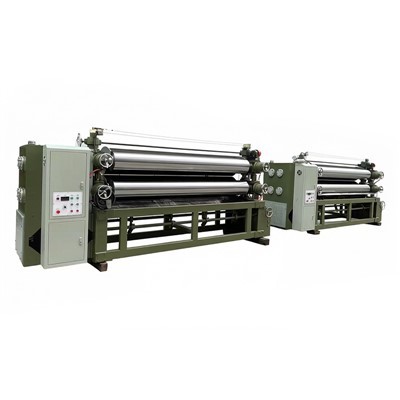
On the other hand, if you’re running a large – scale production facility and need high – speed, high – precision manufacturing, automatic equipment is the way to go. It can improve your productivity, reduce errors, and give you a competitive edge in the market.
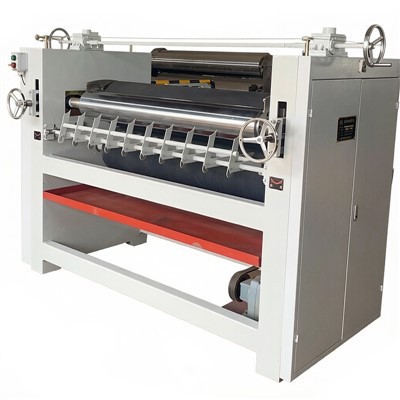
Single Side Gluing Machine If you’re still not sure which type of equipment is right for you, or if you have any questions about our sheet metal fabrication equipment, don’t hesitate to reach out. We’re here to help you make the best choice for your business. Let’s start a conversation about your fabrication needs and see how we can work together to achieve your goals.
References
- "Sheet Metal Fabrication Handbook"
- "Automation in Manufacturing: Trends and Best Practices"
- Industry reports from the metalworking industry
Jiashan Changle Machinery Manufacturing Co., Ltd.
We’re well-known as one of the leading sheet metal fabrication equipment manufacturers and suppliers in China, also support customized service. Please feel free to buy advanced sheet metal fabrication equipment for sale here from our factory. Quality products and punctual delivery are available.
Address: Building 12, Zone A, Wanyang Innovation City, No. 23 Yucao South Road, Ganyao Town, Jiashan County, Jiaxing City, Zhejiang Province
E-mail: Changle84615620@163.com
WebSite: https://www.changlejx.com/
