Hey there! As a supplier of lead – acid alternative batteries, I get asked a ton of questions about how these batteries stack up against each other in terms of power output. So, I thought I’d take some time to break it all down for you. Lead-acid Alternative Battery
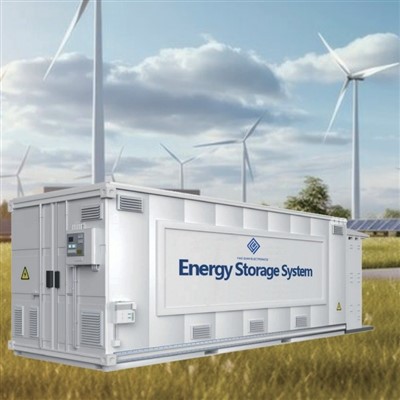
Let’s first talk about the different types of lead – acid alternative batteries out there. We’ve got lithium – ion batteries, nickel – metal hydride (NiMH) batteries, and flow batteries, among others. Each of these has its own unique characteristics when it comes to power output.
Lithium – ion batteries are super popular these days. They’ve got a high energy density, which means they can store a lot of energy in a relatively small space. This is a huge advantage when it comes to power output. For example, in electric vehicles, lithium – ion batteries can provide a high amount of power quickly, allowing the vehicle to accelerate rapidly. They also have a low self – discharge rate, so they can hold their charge for a long time when not in use.
On the flip side, lithium – ion batteries have some limitations. They can be pretty sensitive to high temperatures, which can affect their power output and overall lifespan. Also, the manufacturing process of lithium – ion batteries is complex and can be expensive, which is reflected in the price tag.
Now, let’s move on to NiMH batteries. These batteries have been around for a while, and they’re a great option for many applications. NiMH batteries have a decent energy density, but it’s not as high as that of lithium – ion batteries. In terms of power output, they can provide a steady stream of energy, which makes them suitable for devices that require continuous power, like digital cameras.
One of the big advantages of NiMH batteries is that they’re more environmentally friendly than lead – acid batteries. They don’t contain heavy metals like lead or cadmium, which is a huge plus. However, they do have a relatively high self – discharge rate compared to lithium – ion batteries. This means that if you leave a NiMH battery sitting on the shelf for a while, it’ll lose its charge faster.
Flow batteries are a bit different. They store energy in liquid electrolytes, which are kept in external tanks. This allows for a scalable energy storage system. In terms of power output, flow batteries can be adjusted to provide either high – power or high – energy applications. For large – scale energy storage projects, like grid – scale storage, flow batteries can be a great option because they can handle long – duration discharges.
But flow batteries also have their drawbacks. They’re relatively large and heavy, which can make them difficult to install in some applications. And the cost of the electrolyte and the overall system can be high, especially for small – scale use.
Now, let’s compare these batteries to lead – acid batteries. Lead – acid batteries have been around for ages, and they’re known for their low cost. They can provide a high amount of power output in short bursts, which makes them suitable for applications like starting car engines. However, they have a low energy density and a relatively short lifespan compared to many lead – acid alternative batteries.
When it comes to power output over time, lead – acid batteries tend to degrade faster. Their performance drops significantly as they go through more charge – discharge cycles. In contrast, lithium – ion and some other alternative batteries can maintain a more consistent power output over a longer period.
In industrial applications, the choice of battery depends a lot on the specific requirements. For example, in a forklift operation, if you need a battery that can provide quick bursts of high power for lifting heavy loads, a lithium – ion battery might be the way to go. But if cost is a major factor and you don’t need the battery to last for a huge number of cycles, a lead – acid battery could still be a viable option.
In the renewable energy storage sector, power output consistency is crucial. Solar and wind power generation are intermittent, so the battery needs to be able to store energy when it’s available and release it steadily when needed. Lithium – ion batteries are often preferred here because of their high energy density and ability to maintain a stable power output. Flow batteries are also a contender, especially for large – scale solar and wind farms, as they can handle large amounts of energy storage and long – term discharges.
For consumer electronics, like smartphones and laptops, power output and size are key considerations. Lithium – ion batteries dominate this market because they can provide a high amount of power in a small, lightweight package. NiMH batteries might be used in some lower – end devices or in applications where cost is a primary concern.
As a supplier of lead – acid alternative batteries, I’ve seen firsthand the different needs of our customers. Some are looking for high – power, high – performance batteries for their high – end applications. Others are more focused on cost – effectiveness and environmental friendliness.
We work hard to provide a range of options to meet these diverse needs. Our lithium – ion batteries are designed to deliver top – notch power output, whether it’s for an electric vehicle or a portable power station. We take care to source the best materials and use the latest manufacturing techniques to ensure reliability and performance.
Our NiMH batteries are a great choice for those who need a dependable and eco – friendly option. They’re perfect for applications where a steady power supply is required without breaking the bank.
And our flow batteries are ideal for large – scale energy storage projects. We can work with our customers to design a system that meets their specific power output and energy storage requirements.
If you’re in the market for a lead – acid alternative battery, whether it’s for a small consumer device or a large – scale industrial project, I’d love to talk to you. We can discuss your power output needs, the expected lifespan of the battery, and your budget. Our team of experts is here to help you make the right choice for your application.
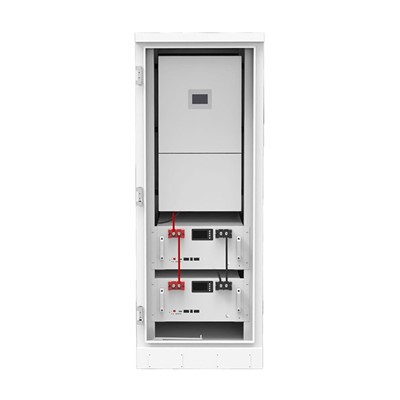
Don’t hesitate to reach out and start a conversation about your battery requirements. We’re committed to providing the best solutions and helping you get the most out of your power storage system.
Home Energy Storage System References:
- Linden, D., & Reddy, T. B. (2002). Handbook of Batteries. McGraw – Hill.
- Dunn, B., Kamath, H., & Tarascon, J. – M. (2011). Electrical Energy Storage for the Grid: A Battery of Choices. Science, 334(6058), 928 – 935.
Shandong Yaoqian Energy Storage International Trade Co., Ltd.
We’re well-known as one of the leading lead-acid alternative battery manufacturers and suppliers in China, featured by quality products and good price. Please rest assured to buy customized lead-acid alternative battery made in China here from our factory.
Address: Lithium Battery Industrial Park, Xingcheng Street, Zaozhuang High-tech Zone, Shandong Province, China
E-mail: boss@yaoqiansmart.com
WebSite: https://www.yaoqiansmart.com/
