As a drywall screw supplier deeply entrenched in the construction industry, I often encounter queries regarding the heat resistance of drywall screws. This isn’t just an idle concern. In various construction scenarios, reliable fasteners are essential, and understanding a drywall screw’s heat resistance is critical for ensuring the longevity and safety of the building structure. Drywall Screw
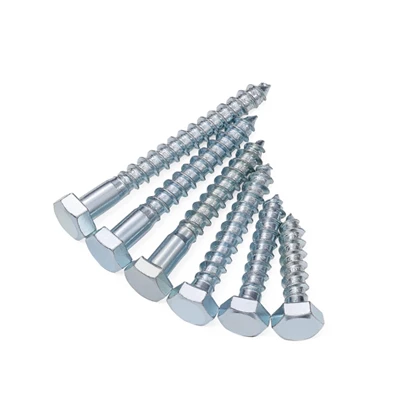
Understanding Drywall Screws
First, let’s briefly cover what drywall screws are. These are specialized fasteners designed primarily for attaching drywall panels to wood or metal studs. They come in different sizes, shapes, and materials, each tailored for specific applications. Common variants include bugle – head drywall screws, which are well – suited for creating a countersunk hole when screwing into drywall, and fine – thread drywall screws, often used for metal studs to prevent the metal from cracking or splitting.
Factors Affecting Heat Resistance
Material Composition
The material of a drywall screw plays a fundamental role in determining its heat resistance. Most drywall screws are made from steel, a strong and durable material. However, there are different types of steel used.
Galvanized steel screws are very common. They are coated with zinc, which provides a layer of protection against corrosion. Zinc has a relatively low melting point of around 419.5°C (787.1°F). When exposed to high temperatures close to this level, the zinc coating will start to melt, potentially compromising the protection it offers against rust.
Stainless steel drywall screws, on the other hand, are a much better option in terms of heat resistance. Stainless steel contains alloys like chromium and nickel, which form a passive oxide layer on the surface. This layer not only protects against corrosion but also enables stainless steel screws to withstand higher temperatures. Depending on the specific grade of stainless steel, it can resist temperatures up to 870 – 1100°C (1600 – 2000°F) before significant degradation occurs.
Coatings
Beyond the base material, the coating on a drywall screw can also impact its heat resistance. In addition to the galvanized coating we mentioned earlier, there are other types such as polyester powder coatings. These coatings can add an extra layer of protection, but their heat – resistant capabilities vary.
Polyester powder coatings are generally good at protecting the screw from normal environmental factors. However, they start to break down at relatively lower temperatures compared to stainless – steel alloys. Usually, they can withstand temperatures up to around 200 – 250°C (392 – 482°F) before the coating begins to deteriorate, which can lead to the screw being more susceptible to corrosion and damage.
Heat Resistance in Different Construction Applications
Residential Construction
In typical residential settings, the heat resistance requirements for drywall screws may not be extremely high. Most household fires, if they occur, typically reach a peak temperature of around 600 – 700°C (1112 – 1292°F). Galvanized steel drywall screws may be sufficient for general drywall installation in a home. However, in areas near appliances that generate heat, such as near a furnace or a fireplace, it’s advisable to use stainless – steel drywall screws.
The heat from a furnace, for example, can raise the temperature in the surrounding area. Using a screw with better heat resistance in these regions ensures that the drywall attachment remains secure over time, even if exposed to intermittent high – temperature situations.
Commercial and Industrial Construction
Commercial and industrial buildings often have more demanding heat – resistance needs. In a factory where there are industrial ovens or where welding operations are taking place, the temperature can spike significantly.
In such environments, stainless – steel drywall screws are almost a necessity. For instance, in a food processing facility, ovens may operate at temperatures well above 200°C (392°F). Using a screw with insufficient heat resistance can lead to the screw losing its structural integrity, which may cause drywall panels to come loose. This not only poses a safety hazard but can also disrupt normal business operations.
Testing Procedures for Heat Resistance
Manufacturers use a variety of testing methods to determine the heat resistance of drywall screws. One common method is the furnace test. In a furnace test, a sample of drywall screws is placed in a controlled – environment furnace. The temperature inside the furnace is gradually increased at a set rate.
During the test, the screws are monitored for physical changes. This includes checking for signs of melting, deformation, or loss of the protective coating. The time it takes for the screw to reach a certain level of degradation is recorded, and this data is used to evaluate the screw’s heat – resistant performance.
Another important aspect of testing is the post – heat mechanical testing. After the screws have been exposed to high temperatures, they are removed from the furnace and allowed to cool. Then, they are subjected to mechanical tests such as tensile strength and torque tests. This helps to determine if the high – temperature exposure has affected the screw’s ability to perform its basic function of holding the drywall in place.
Choosing the Right Drywall Screw for Heat Resistance
When choosing drywall screws based on heat resistance, it’s essential to assess the specific requirements of the construction project. For low – heat environments like standard residential rooms, galvanized steel drywall screws can be a cost – effective solution. They offer a good balance between price and performance under normal conditions.
However, when dealing with high – heat areas, stainless – steel drywall screws are the clear choice. Although they are generally more expensive than galvanized screws, the enhanced heat resistance and corrosion protection they provide justify the higher cost in the long run.
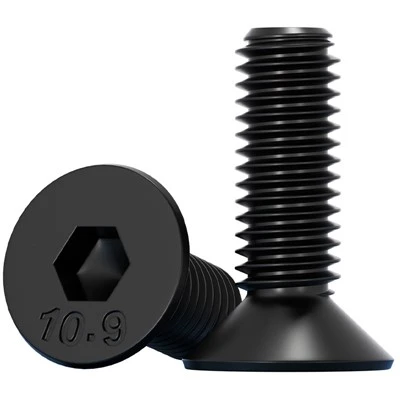
As a drywall screw supplier, our goal is to provide customers with detailed information to help them make informed decisions. We have a wide range of drywall screws available, including both galvanized and stainless – steel options. Our team of experts can also offer guidance on which type of screw is most suitable for your specific project, taking into account factors such as heat exposure, humidity, and the type of studs you are using.
Contact for Procurement and Consultation
Steel Structure If you’re involved in a construction project and need high – quality drywall screws with reliable heat resistance, we’re here to assist. Whether you have questions about our product range, need advice on screw selection, or are ready to place an order, don’t hesitate to reach out. Contact us to start a procurement discussion and ensure your construction project is well – equipped with the best drywall screws for the job.
References
- "Construction Fasteners Handbook" by the Fastener Training Institute
- "Materials Science and Engineering: An Introduction" by William D. Callister Jr. and David G. Rethwisch
- Industry reports from the American Society of Civil Engineers on building materials performance in high – temperature environments
Handan Dongchao Hardware Products Co., Ltd.
As one of the most professional drywall screw manufacturers and suppliers in China, we have world-leading production equipment and strong manufacturing capabilities. Please feel free to wholesale bulk high quality drywall screw in stock here and get pricelist from our factory. Customized orders are welcome.
Address: West of Xiaobeizhuang Village, South of Beizhangzhuang Village, Hanshan District, Handan City
E-mail: david@dcscrews.com
WebSite: https://www.dc-screws.com/
