Hey there, folks! I’m a supplier of High – Voltage Distribution Boxes, and today I wanna chat about something super important: the humidity requirements for these bad boys. High-Voltage Distribution Box
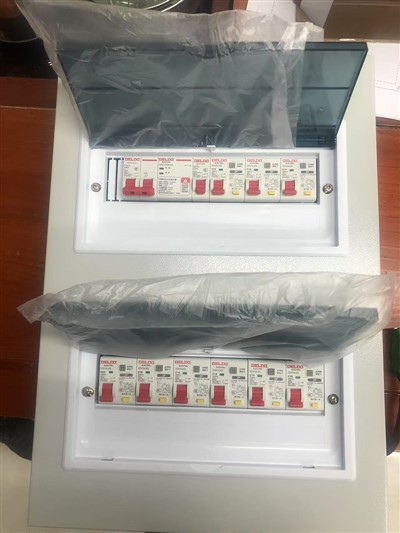
You know, High – Voltage Distribution Boxes are like the powerhouses of many electrical systems. They handle a whole lot of electricity and keep things running smoothly in industries, commercial buildings, and even some large – scale residential setups. But here’s the thing: humidity can have a huge impact on their performance and lifespan.
Why Humidity Matters
First off, let me tell you why we even need to care about humidity when it comes to High – Voltage Distribution Boxes. High humidity levels can lead to all sorts of problems. For starters, moisture in the air can cause corrosion. The metal parts inside the distribution box, like the contacts and conductors, are at risk. When these parts corrode, it can increase resistance in the electrical circuits. And an increase in resistance means more heat is generated. You don’t want extra heat in a high – voltage system; it can lead to equipment failures and even pose a fire hazard.
Another issue is electrical insulation. High humidity can degrade the insulation materials used in the box. Good insulation is crucial to prevent electrical leakage and short – circuits. If the insulation gets damaged due to excessive moisture, it can cause sparks and disrupt the normal operation of the distribution box.
On the other hand, too low humidity can also be a problem. In very dry conditions, the air can become more conductive. This might seem counter – intuitive, but it’s true. Dry air can allow static electricity to build up more easily. Static discharges inside a high – voltage distribution box can damage sensitive electronic components and cause malfunctions.
Ideal Humidity Ranges
So, what’s the ideal humidity range for a High – Voltage Distribution Box? Generally speaking, a relative humidity (RH) between 30% and 70% is considered optimal. This range strikes a good balance between preventing the harmful effects of excessive moisture and avoiding the problems associated with extremely dry air.
When the RH is around 30%, the air is relatively dry, but it’s not so dry that static electricity becomes a major concern. At this level, the risk of corrosion is also minimized because there isn’t enough moisture in the air to cause significant rusting on the metal parts.
As the RH goes up to around 70%, it’s still within a safe zone. The insulation materials can maintain their integrity, and there’s not enough moisture to cause widespread corrosion. However, it’s important to keep an eye on things when the humidity is on the higher end of this range. You might need to take extra precautions, like using dehumidifiers or ensuring proper ventilation.
Monitoring and Control
Now, how do we make sure the humidity inside the High – Voltage Distribution Box stays within the ideal range? Well, monitoring is the first step. You can use humidity sensors. These little devices are pretty handy. They can be installed inside the box, and they’ll give you real – time data on the humidity levels. Some sensors even come with alarms that can alert you when the humidity goes outside the acceptable range.
Once you’re monitoring the humidity, you need to take steps to control it. If the humidity is too high, you can use dehumidifiers. There are various types of dehumidifiers available, from small, portable ones to larger, industrial – grade units. You can choose the one that suits the size and requirements of your distribution box.
Ventilation is also a great way to control humidity. Proper ventilation helps to move the air in and out of the box, preventing moisture from building up. You can install vents or fans in the distribution box to improve air circulation.
On the flip side, if the humidity is too low, you can use humidifiers. These are less common in high – voltage distribution box applications, but they can be necessary in some very dry environments.
Real – World Examples
I’ve seen some real – world situations where humidity has caused problems with High – Voltage Distribution Boxes. One time, a client in a coastal area was having issues with their distribution boxes. The high humidity near the ocean was causing corrosion on the inside of the boxes. The contacts were starting to wear out quickly, and there were some intermittent electrical problems.
We installed humidity sensors and industrial dehumidifiers inside the boxes. We also improved the ventilation by adding some fans. After these changes, the humidity levels dropped to within the acceptable range, and the client didn’t have any more corrosion – related issues.
Another example is a facility in a desert area. The low humidity was causing static electricity problems. Some of the electronic components inside the distribution boxes were getting damaged due to static discharges. We installed humidifiers to increase the humidity slightly, and that solved the problem.
Conclusion
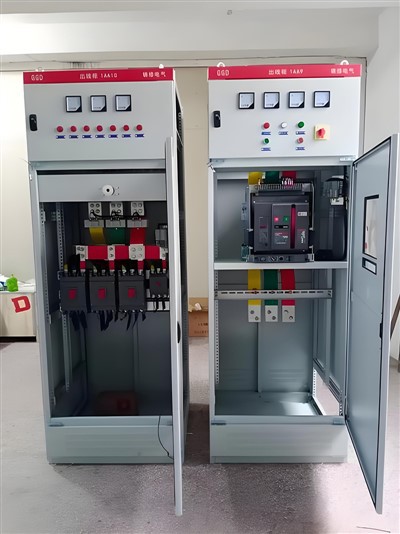
In conclusion, humidity requirements for High – Voltage Distribution Boxes are no joke. Maintaining the right humidity range between 30% and 70% relative humidity is crucial for the proper functioning and longevity of these boxes. Monitoring and controlling humidity through sensors, dehumidifiers, humidifiers, and ventilation is the way to go.
Distribution Chamber If you’re in the market for High – Voltage Distribution Boxes and want to ensure they work well in your specific environment, we can help. We’ve got a wide range of high – quality distribution boxes, and we’ve got the knowledge to advise you on humidity control. Whether you’re dealing with a humid coastal area or a dry inland location, we’ve got solutions. So, don’t hesitate to reach out and start a discussion about your procurement needs. Let’s work together to make sure your electrical systems run smoothly.
References
- Electrical Equipment Handbook: Theory and Practice by Subrata Kumar Sarkar
- Handbook of Electrical Installation Practice by Terence J. Quinn
Anhui Nanxian Electric Co., Ltd.
With abundant experience, we are one of the most professional high-voltage distribution box manufacturers and suppliers in China. We warmly welcome you to buy advanced high-voltage distribution box for sale here and get quotation from our factory. All customized products are with high quality and low price.
Address: Factory Unit 03-2, Building 21, Feidong Yinfeng Industrial Park Co., Ltd., Northeast Corner of Manquan Road and Changle Road, Hefei Circular Economy Demonstration Park, Feidong County, Hefei City, Anhui Province.
E-mail: 541580567@qq.com
WebSite: https://www.nxelepower.com/
