If you’ve ever shopped for an industrial or residential electric furnace, the sales pitch almost always includes a line about “peace of mind” from a warranty. As an electric furnace supplier who’s spent the last 12 years troubleshooting issues, walking through installations, and helping customers file claims, I can tell you that warranty fine print isn’t just legal jargon—it’s the line between a small hiccup and a costly, weeks-long shutdown for a shop or a cold home for a family. Over the years, I’ve seen customers assume their warranty covers everything only to be surprised when a part breaks mid-season and they’re left footing the bill. Let’s break down exactly what most electric furnace warranties cover, what’s often excluded, and how you can make sure you’re using yours when you need it. Electric Furnace
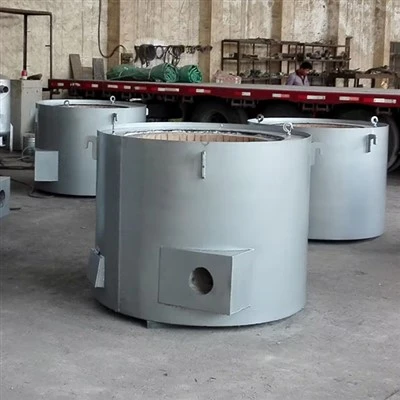
First, it’s important to note that not all electric furnace warranties are created equal. When I started in this business 12 years ago, we only offered one standard warranty for all our units, but we’ve since expanded to tiered plans because we learned early that a small residential unit for a 1,500-square-foot home has very different needs than a 500,000 BTU unit used to heat a metal stamping shop. Most reputable suppliers—ours included—structure warranties around two core parts: the unit’s “labour warranty” and its “parts warranty.” Let’s start with what’s usually covered under both, because that’s the part that applies to nearly every customer.
For most of our standard warranty plans, parts coverage kicks in for defects in materials or workmanship that show up within the first 10 years of ownership. This isn’t wear and tear from regular use, mind you—this is when a heating element shorts out because of a manufacturing flaw, a control board malfunctions within its first decade, or a blower motor fails without any obvious user error. Last winter, I got a call from a customer in Cleveland whose electric furnace’s high-limit switch failed after 7 years. The switch was a cheap, off-brand part that our supplier had used in a small batch of units that year, and since it was under warranty, we shipped a replacement switch and paid for the part at no cost to the customer. That’s the kind of defect coverage that most warranties are designed for: problems that aren’t caused by how you installed or used the unit.
Labour coverage is another big one, and it’s often the part that’s most overlooked. When your furnace breaks, you need a HVAC technician to come out, diagnose the issue, and install the new part. A lot of budget brands only offer parts coverage, leaving you to pay for that $150 diagnostic fee and labour costs, which can add up to hundreds of dollars. Our mid-tier warranty, for example, offers labour coverage for parts that are covered under the parts warranty, for up to 10 years. That means if your control board fails in year 5, we not only send you a new board, but we also cover the technician’s time to come out and install it. For commercial customers, that’s a game-changer—if their furnace goes down on a Saturday, they don’t have to scramble to pay emergency labour rates just to get their facility warm again.
Beyond the core parts and labour, many electric furnace warranties also cover secondary components that are often tied to the unit. For example, the airflow system: if your blower wheel fails because it wasn’t properly balanced at installation, that’s usually covered if the imbalance was a manufacturing error. We also cover the ignition components for our direct-vent electric furnaces, because a faulty igniter is a common early failure that can leave a home cold. Last year, a customer in Detroit had their igniter fail 3 years after installation; since the igniter was a factory-installed part, the warranty covered the part and the labour, and we had a technician out within 24 hours. That’s the kind of support that makes a warranty worth paying for.
Now, let’s talk about what warranties don’t cover, because that’s where most customers get tripped up. I can’t stress this enough: a warranty is not a “no-fault” insurance policy. Most exclusions fall into a few categories, and it’s important to know them before you sign on the dotted line.
First, regular wear and tear is almost never covered. That means if your filter needs to be replaced, that’s your responsibility; if your blower belt stretches over time and needs to be swapped, that’s not covered. These are routine maintenance items, and warranties are designed to cover unexpected failures, not part replacement that comes with normal use. A lot of first-time furnace owners don’t realize that changing your air filter every 1-3 months is not optional—it’s required to keep your warranty valid. If you skip changing filters and your furnace’s heating elements burn out prematurely because of dust buildup, the warranty won’t cover that. We’ve had this conversation so many times: a customer skipped filter changes for 6 months, their heating element failed, and when we pulled the unit, we saw the element was caked in dust. The warranty was void, and they had to pay $800 for a new element. That’s not a trick— that’s in the fine print, but most people don’t read it until it’s too late.
Second, damage from improper installation or modification is excluded. If you hire an unlicensed technician to install your furnace, or you modify the electrical wiring to the unit without a licensed electrician, the warranty is almost certainly void. We see this all the time: a customer saves a few hundred dollars by hiring a handyman instead of a licensed HVAC tech, and a year later, their furnace fails. When we inspect it, we find the wiring was installed incorrectly, causing a surge that burned out the control board. We can’t cover that, because it’s a installation error, not a manufacturing defect. That’s why we always recommend that customers use a licensed, insured technician, and we even work with a network of trusted techs across the country who are trained to install our units correctly. If you use one of our recommended techs, you don’t have to worry about accidental installation errors voiding your warranty.
Third, damage from external factors is excluded. That includes things like power surges, floods, extreme weather, or even animal damage. If a lightning strike fries your furnace’s control board, that’s not covered by the base warranty, because it’s an external event. We do offer optional extended coverage for things like surge protection, though, for customers who live in areas with frequent thunderstorms. Similarly, if a mouse chews through the wiring in your unit, that’s not covered—animal damage is considered accidental, not a manufacturing flaw. Last year, a customer in rural Ohio had a mouse nest in their furnace, and the wiring was damaged. They had to pay $500 for repairs, which is why we always recommend installing a wire guard in the furnace’s compartment to prevent that kind of issue.
Another big exclusion: commercial use that’s outside the unit’s rated capacity. A lot of small business owners will buy a residential electric furnace to heat their garage or small shop, and then cram more equipment or more space than the unit is designed for. If the unit overheats because it’s being used beyond its rated BTU, the warranty won’t cover that. We have separate commercial-grade units for businesses that need higher capacity, and their warranties are tailored to handle that heavy use. It’s important to match the unit to your space, whether it’s a home or a shop, because using the wrong unit can void your warranty and lead to early failure.
Now, let’s talk about how to make sure you’re getting the most out of your warranty, because having a good warranty means nothing if you don’t follow the rules. First, keep detailed records. We always tell customers to save their installation receipt, their maintenance logs, and any service calls with our techs. If you need to file a claim, you’ll need to prove that you’ve been doing regular maintenance, using licensed techs, and not modifying the unit. We’ve had customers who filed claims and didn’t have their filter change records, so we had to send a tech out to verify the unit had been maintained properly. If you have those records ready, the claim process is much faster.
Second, register your unit as soon as it’s installed. A lot of people wait months to register their furnace, but registering it starts the warranty clock, and it also lets our team send you maintenance reminders. For example, if your unit is due for a tune-up, we’ll send you an email or a text to let you know, so you don’t miss a maintenance deadline that could void your warranty. Registering also lets us update you on any recalls or service bulletins for your unit, which can prevent failures before they happen. Last year, we had a small batch of blower motors that had a minor wiring issue; we reached out to all registered customers, and we replaced the motors for free before anyone had a failure. That’s the kind of support you get when you register your unit.
Third, don’t wait too long to file a claim. Most warranties have time limits, and if you wait a year after a part fails to file, we might not be able to cover it. We recommend contacting our service team as soon as you notice an issue—if your furnace is blowing cold air, making a strange noise, or cycling on and off too often, call us right away. Our techs can help you troubleshoot over the phone sometimes, which is free, and if it’s a warranty-covered issue, we can ship the part and schedule a technician quickly.
Over the years, I’ve seen how a good warranty can make a stressful situation manageable, and how a bad one can leave customers frustrated and out of pocket. That’s why we built our electric furnace warranties to be transparent, easy to use, and focused on covering the things that go wrong when you’ve installed and maintained your unit properly. We don’t hide exclusions in 10-page legal documents, and our team is always available to walk you through the warranty details before you buy.
If you’re in the market for an electric furnace, whether it’s for your home or your business, take the time to ask about the warranty. Don’t just look at the price of the unit—look at what’s covered, how long the coverage lasts, and what steps you need to take to keep the warranty valid. A lower-priced unit with a 5-year parts warranty and no labour coverage might end up costing you more in the long run than a slightly more expensive unit with a 10-year parts and labour warranty.
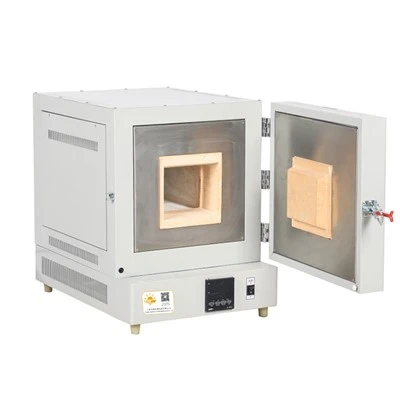
If you have questions about our electric furnace warranties, or you’re ready to talk about which unit is right for your space, don’t hesitate to reach out. We’re here to help you every step of the way, from choosing the right furnace to filing a claim if you ever need to.
Well Furnace References:
- Air Conditioning Contractors of America. (2022). Residential HVAC Warranty Best Practices. Arlington, VA: ACCA.
- Electric Power Research Institute. (2021). Warranty Coverage for Electric Heating Equipment. Palo Alto, CA: EPRI.
- Occupational Safety and Health Administration. (2020). Requirements for Commercial Heating Equipment Installation and Maintenance. Washington, DC: OSHA.
- North American Technician Excellence. (2023). HVAC Warranty Compliance Guidelines. Des Plaines, IL: NATE.
Danyang Dingfeng Industrial Furnace Co., Ltd.
Danyang Dingfeng Industrial Furnace Co., Ltd. is one of the most experienced electric furnace manufacturers and suppliers in China, also supports customized service with low price. Please feel free to wholesale high quality electric furnace made in China here from our factory. For pricelist, contact us now.
Address: Lizhuang Economic Development Zone, Danyang City
E-mail: saleszk@dffurnace.com
WebSite: https://www.dffurnace.com/
