Hey there, if you’ve ever run your fingers over a crisp button-down shirt, a trusty backpack, or a comfy duvet cover, chances are you’ve brushed up against Oxford fabric—even if you didn’t know it had a name. As someone who’s been deep in the fabric game for years, I get asked this question all the time: “What does Oxford fabric actually feel like?” It’s not a vague question, either; it’s the kind that makes or breaks a purchase, whether someone’s hunting for work shirts, outdoor gear, or home goods. Let me break this down like I would with a customer who stops by our warehouse, no stuffy jargon, just real, hands-on talk. Oxford Fabric
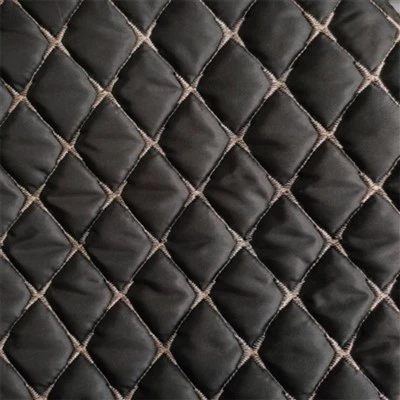
First off, let’s get one thing straight: Oxford isn’t a single fabric—it’s a weave. That means the feel shifts a little depending on the yarn count, the finish, and whether it’s a traditional woven version or a blended one, but there’s a core vibe that makes Oxford instantly recognizable. Let’s start with the most common type: traditional cotton Oxford, the kind you’d find in that go-to work shirt or a casual button-down. When you first touch it, it’s not that smooth, slippery silk feel, and it’s not that rough, scratchy denim edge either. It has a subtle, gentle texture—like a soft, slightly nubby canvas, but way more pliable. The weave creates tiny, distinct gaps between the threads, right? Those aren’t holes, just little micro-gaps, so when you run your fingers across it, you can feel the unevenness, but not in a bad way. It’s like a quiet, understated texture, not loud or flashy.
Wait, let’s get specific—let’s compare it to fabrics you already know, because that’s easier. If you’ve ever felt a broadcloth (the super smooth, thin fabric used for dress shirts), Oxford is way more substantial, almost a little thick, but not heavy. I tell customers it’s like the difference between a paper airplane and a sturdy notecard—same general shape, but Oxford has that extra body that makes it feel solid. And it’s not stiff, either. A lot of people think because it’s woven tight, it’ll feel boardy, but no—good Oxford has a little give. When you crumple it in your fist, it bounces back pretty quick, right? That’s called “recovery,” and it’s why Oxford shirts don’t wrinkle as bad as, say, linen. But when you run your palm over it flat, it’s smooth enough that it doesn’t irritate your skin, even if you’re wearing it for 10 hours straight. That’s a big one for us—we get a lot of feedback from teachers and construction workers who wear our Oxford shirts all day saying they don’t chafe, even when they sweat a little.
Now, let’s talk about the other side of the spectrum: lightweight Oxford, the kind used for backpack linings or running shorts. That’s way softer, almost like a light poplin, but still has that same tiny, characteristic weave texture. We use that for our kids’ backpacks because it’s durable, but when a kid tugs it or runs their hands over it, it doesn’t feel harsh. And then there’s the heavy-duty Oxford, the 600D and 1200D stuff we use for tote bags, outdoor cushions, or even event booths. That’s way thicker, a little more rugged, kind of like heavy canvas but with that same subtle weave. You wouldn’t wear a shirt made of 1200D Oxford (well, maybe a fashion person would, but that’s not our main stuff), but if you’re lifting a tote bag full of groceries or sitting on an outdoor cushion, it feels tough, but still has that smooth, predictable touch—not rough like burlap.
Blended Oxford is another big category. We do a lot of polyester-cotton blends for uniforms and workwear, because they hold up to washing better than 100% cotton. That blend feels a little different, too—more consistent, less prone to shrinking, and it has that same soft texture, but maybe a little less “breathable” than pure cotton? Wait, let’s clarify the breathability thing, because that ties into feel. When you wear pure cotton Oxford, that tiny weave gap I mentioned earlier lets air pass through, so if you’re wearing it in warm weather, it doesn’t feel like a plastic bag. Polyester blends, while still comfortable, feel a little more “slick” on the surface, less like cotton’s natural, slightly matte finish. Some customers prefer that for work because it resists stains, and it still has that structured feel.
Oh, and let’s not forget about washed Oxford fabric—this is the stuff that’s gotten a light wash after weaving, to soften it up even more. That’s super popular for casual shirts. Washed Oxford feels like it’s been worn in a little, like an old favorite t-shirt, but still has that structure so it doesn’t look messy. It’s softer than raw, unwashed Oxford, which can be a little stiffer right off the bolt (we always tell customers to wash it once before sewing, by the way, that takes the edge off). We get so many repeat orders for washed Oxford because people love that lived-in feel—you can touch it and tell it’s going to get better with time, not worse.
Wait, a common misconception: some people confuse Oxford with pinpoint, another dress shirt fabric. Let’s clear that up. Pinpoint is way smoother, with a tighter weave, so it feels almost like silk. Oxford is intentionally a little “bumpier,” that’s the whole point. We show customers samples all the time—hold a pinpoint next to an Oxford, and you can feel the difference instantly. Pinpoint is for formal events, Oxford is for everyday, which is why the feel is tailored for comfort, not just sleekness.
Another thing: the feel changes a little when it’s wet, right? If you spill water on pure cotton Oxford, it absorbs it, and when it dries, it doesn’t get crunchy—unlike some other woven fabrics. When it’s damp, it feels a little cooler against your skin, too, which is nice in the summer. Polyester blends dry faster, so they feel less wet, more slippery when damp, which is why we use those for outdoor gear that might get rained on.
As a supplier, I’ve had customers come in saying they “hate scratchy fabrics,” and I always point them to our mid-weight pure cotton Oxford, because it’s the sweet spot. It’s soft enough to wear next to skin, but durable enough to stand up to repeated washes, and the weave gives it that consistent, reliable feel. We also do a lot of custom orders, so if someone wants a super soft Oxford for baby onesies, we can get a yarn with a finer count, which makes the texture way smoother, less nubby. For workwear, we go a little thicker, so it has that solid, sturdy feel that doesn’t tear when someone yanks a tool out of a pocket.
Let me also talk about how the feel translates to use, because that’s what matters most. If you’re buying a shirt, you want it to feel good when you put it on, not like you’re wearing a sheet of cardboard. Oxford delivers that—you can move your arms, bend over, and it doesn’t pull or feel restrictive. When you’re carrying a tote bag made of heavy Oxford, it feels tough, but not so rigid that it digs into your shoulder. That balance is what makes Oxford such a go-to.
Wait, I should mention something that’s a total game-changer for a lot of people: brushed Oxford. That’s when we run a soft brush over the fabric after weaving, to raise tiny little fibers on the surface. It feels like a cloud, almost—way softer than regular Oxford, like a flannel but thinner. We use that for loungewear and bed sheets, and customers go crazy for it because it’s warm but not heavy, and feels incredible when you crawl into bed. A lot of people try brushed Oxford once and switch from cotton flannel because it’s softer, doesn’t pill as much, and still has that subtle weave texture that makes it more interesting than plain fleece.
I’ve been in this business for 12 years now, and I’ve touched more fabric than I can count, but Oxford is still one of my faves because it’s so versatile. The feel isn’t one-note—it adapts to what it’s made for, whether that’s a casual shirt, a work uniform, a backpack, or bed linens. Some fabrics feel the same no matter what you use them for, but Oxford changes subtly, depending on yarn, weight, finish, and blend. That’s why we always give customers sample swatches—because looking at a photo online doesn’t tell you anything about the feel. A swatch lets you rub it between your fingers, crumple it, hold it up to your face, and actually feel it before you buy.
If you’re wondering, “Is Oxford fabric soft enough for everyday wear?” the answer is almost always yes—you just have to pick the right weight and finish. If you’re sensitive to texture, go for the washed or brushed cotton varieties, skip the super heavy 1200D unless you’re making outdoor gear. If you want something that’s durable and still feels good, a 6-ounce mid-weight cotton Oxford is perfect. Blends are great if you need stain resistance or less wrinkles, but pure cotton has that natural, breathable feel that a lot of people prefer.

At the end of the day, when someone asks me, “What does Oxford fabric feel like?” I don’t give them a textbook definition. I tell them it’s the fabric that feels like your favorite old shirt—sturdy, comfortable, reliable, with a quiet texture that doesn’t get in the way. It’s not flashy, it’s not over-the-top, but it’s there when you need it. If you’re looking for Oxford fabric for your next project—whether that’s custom shirts, gear, home goods, whatever—we’ve got a huge range of weights, finishes, and blends, and I’d be stoked to walk you through samples and talk about what will work best for you. Hit us up to chat about your needs, we’re here to help.
Oxford Fabric References:
- Textile Institute. (2021). Weave Structures and Fabric Handle: A Practical Guide for Apparel and Industrial Textiles.
- Hunter, L. (2019). The Ultimate Guide to Oxford Fabric: Weaves, Finishes, and End Uses. Textile Research Journal.
- Cotton Council International. (2020). Performance Characteristics of Cotton Oxford Fabrics for Casual and Work Apparel.
Dongyang Huangxiu Leather & Plastic Co., Ltd.
With abundant experience, we are one of the most professional oxford fabric manufacturers in China. We warmly welcome you to wholesale customized oxford fabric made in China here from our factory. If you have any enquiry about quotation and free sample, please feel free to email us.
Address: Huangxiu Leather & Plastic Products, No. 79 Shunda Road, Huashui Town, Dongyang City, Zhejiang Province
E-mail: x372921764@163.com
WebSite: https://www.huangxiutextile.com/
