When I started out as a rotary lobe pump supplier, I lost count of how many times I got asked this question: “How do I pick the best brand of rotary lobe pump for my line of work?” At first, I’d just rattle off specs and price points, but after chatting with hundreds of plant managers, food processing owners, and chemical operators, I realized there’s no one-size-fits-all answer. Your pump doesn’t just need to move liquid—it needs to keep up with your unique process, work reliably when you need it most, and not eat into your budget before you even turn it on. This post’s all about the real-world stuff I’ve learned over the years, no fancy jargon, no generic tips. Let’s dive in. Rotary Lobe Pump
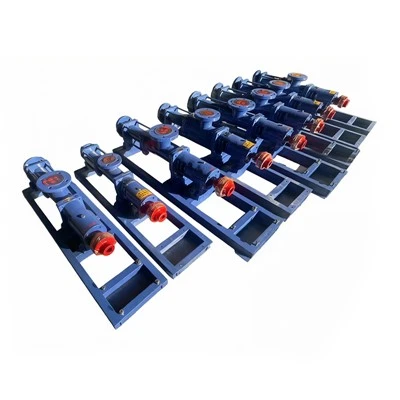
First, let’s cut to the chase: rotary lobe pumps aren’t like centrifugal pumps you grab for basic water transfer. They’re positive displacement workhorses built for thick, shear-sensitive, or messy stuff—think viscous sauces in a bakery, oily sludge in a wastewater plant, or even pharmaceuticals that can’t handle rough handling. Picking the wrong brand here isn’t a minor inconvenience; it’s downtime that costs you thousands, or even ruining a batch of product you’ve been working on for weeks. I’ve seen a small jam producer go with a cheap off-brand pump that burned out in 3 months, costing them a week of production and a ton of ruined strawberry jam. That’s the kind of story that sticks with you, so let’s avoid that.
The first thing I always tell people to look at is how the brand handles product compatibility. A lot of guys I talk to only think “will this pump move my liquid?” and forget to ask “will this pump’s parts react with my liquid?” For example, if you’re pumping food-grade peanut butter or a high-acid tomato sauce, you can’t just use any steel or plastic parts. Some no-name brands cut corners on material testing—they’ll use standard stainless steel that has too much carbon, which can leach into acidic foods and cause health issues. A good brand will actually map out every part’s material composition: the lobes, the housing, the seals, even the O-rings. For sanitary applications, that means 316L stainless steel (not 304, which is cheaper but less corrosion-resistant) and EPDM or Viton seals that are food-grade, not just “safe for general use.” If you’re pumping chemicals, they should offer Hastelloy or specialty alloys that won’t corrode over time, not just the same old steel that’ll rust out in a year.
Next up: flow rate and pressure matching. This is where so many people mess up. They see a pump that can move 100 gallons per minute and think “that’s perfect!” but they forget that actual flow isn’t just about the pump’s maximum rating—it’s about your system’s backpressure. If your pump has to push liquid through a long pipe, or up three floors of a factory, the pressure requirement jumps, and a pump that’s “good for 100 gpm at low pressure” will struggle. A bad brand will just give you a pump that’s slightly overrated to make the sale, but that extra size means wasted energy every single day. A solid brand will actually ask you for details: pipe size, total length, elevation changes, and even the viscosity of your product. They’ll run the numbers with you to find a pump that hits your exact flow and pressure needs without overdoing it. I’ve had customers come to me with pumps that use 20% more electricity than needed because they bought a brand that just pushed the biggest pump possible. That adds up to thousands in extra energy costs over 5 years.
Then there’s the stuff that no one talks about until it breaks: maintenance and parts availability. Let’s be real—no pump lasts forever, and when it does go down, you don’t want to wait a week for a replacement part that ships from overseas. Some budget brands have parts that are made in tiny factories with no local distributors, so if a lobe snaps, you’re stuck waiting. Good brands will have parts stocked at local warehouses, or even have authorized repair shops in most regions. Also, think about how easy the pump is to take apart. Some cheap pumps require special tools, or have lobes that are glued in, so you can’t clean or replace them without calling a technician. For food or pharmaceutical operations, where sanitation is non-negotiable, you need a pump that can be taken apart in 10 minutes with a basic wrench, no fuss. I had a craft brewery customer once tell me they lost 2 days of beer production because their old pump brand’s seal part wasn’t in stock at their local supply shop—they had to drive 3 hours to pick it up. That’s avoidable if you pick a brand with local support.
Don’t sleep on brand reputation for specific industries, either. Rotary lobe pumps have different standards depending on what you use them for. Sanitary applications (food, pharma) require 3-A certification or EHEDG compliance—those are not just random stickers; they mean the pump has been tested to be easily cleanable, no hidden crevices where bacteria can grow. If you’re in wastewater or mining, the brand should have a track record for handling abrasive, dirty materials that wear on parts. I know a guy in a mining operation who tried a cheap pump that had hard plastic lobes—they wore down in 2 months because of the gritty slurry he was moving. A reputable industrial pump brand uses hardened iron or chrome-plated lobes that stand up to abrasive stuff, not plastic that falls apart. Also, check for customer reviews that are specific: not just “this pump works,” but “this pump didn’t leak when I switched to pumping hot honey” or “this brand’s repair team came out same day when our pump broke.” Generic reviews don’t tell you squat; the specific ones do.
Price is a big one, obviously, but don’t let it be the only factor. I get it—budgets are tight, especially for small businesses. But when you go for the cheapest pump you can find, you’re usually paying for lower quality parts, less testing, and no support. I’ve seen customers save $500 on a pump only to spend $3,000 on repairs and downtime 6 months later. A good brand will have upfront pricing, no hidden fees, and maybe even warranties (ask about the warranty length—some top brands offer 2 years on parts, others only 90 days). That warranty is a safety net; if something goes wrong under normal use, you’re not out of pocket for new lobes or seals. Some brands even offer extended warranties for an extra cost, which is worth it if you’re running the pump 24/7.
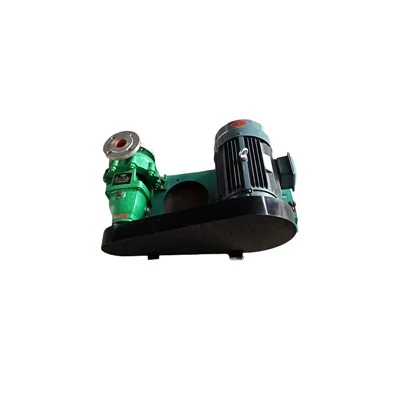
Wait, one more thing: flexibility. What if your business grows? What if you switch products in a year or two? A good brand will have a range of pumps that are compatible, so you don’t have to buy an entirely new pump to adjust. For example, a brand that lets you upgrade lobe sizes or change the motor later is way better than one that only works for one specific flow rate. I had a customer who started with a small pump for their sauce line, then added a new product that needed 30% more flow—their pump brand let them swap out the lobes and motor instead of buying a whole new unit, saving them thousands. That’s the kind of value you don’t get from a no-name brand that only makes one fixed model.
Gear Pump At the end of the day, choosing the right rotary lobe pump is about matching your exact needs, not just chasing a big name or a low price. If you’re tired of pumps that break too often, parts that take forever to get, or brands that don’t answer your questions, let’s chat. We can walk through your process, talk about compatibility, maintenance, and all that real-world stuff, and help you find a pump that works for your business, not against it. No pressure, no sales pitch—just someone who’s been in this game long enough to know what works.
References
- “Positive Displacement Pumps: Selection Guidelines for Industrial Applications.” Hydraulic Institute, 2022.
- “Sanitary Pump Design and Compliance for Food and Pharmaceutical Processing.” EHEDG Foundation, 2021.
- “Maintenance Best Practices for Rotary Lobe Pumps in Viscous Fluid Transfer.” Pump Industry Magazine, 2023.
Botou Hengyang Pump & Valve Co., Ltd.
With abundant experience, we are one of the most professional rotary lobe pump manufacturers and suppliers in China. Please feel free to buy high standard rotary lobe pump made in China here and get pricelist from our factory. All customized pumps are with high quality and competitive price.
Address: No. 159, Road 1, Development Zone, Botou City, Cangzhou, Hebei Province, China
E-mail: bthdbf@163.com
WebSite: https://www.hyoilp.com/
