Hey there, it’s Jake from the ABS insulating edge strips supplier team—first off, let’s cut to the chase because I know you’re here to answer one question specifically: Are our ABS insulating edge strips easy to transport? Spoiler alert: For most folks we work with (manufacturers, cabinet makers, electricians even), yeah—they’re way simpler to move than you’d think, but there are a few tiny, non-obvious things that make a huge difference if you’re new to sourcing ‘em. Let’s break this down like we’re chatting over a coffee, not a stuffy industry webinar. ABS Insulating Edge Strips

First, let’s remember what ABS insulating edge strips actually are for anyone who might be reading this and thinking, “Wait, why do I even care about moving these?” They’re those rigid, thin plastic strips you slap on the sharp, raw edges of cabinets, furniture, or electrical enclosures to stop shocks, keep moisture out, and give that finished, polished look. For me, this is what we live and breathe—our team’s been making these for over a decade, so I’ve hauled ‘em around to trade shows, loaded ‘em on delivery trucks, even helped a small cabinet maker guy load his van once. That hands-on experience isn’t just sales fluff; it’s why I can tell you the real deal on transport, not the corporate press release version.
Let’s start with the core reason they’re easy to move: the material itself, ABS (Acrylonitrile Butadiene Styrene). It’s a thermoplastic, right? For transport, that means it’s not super fragile like glass, it doesn’t bend all out of shape when you stack it, and it’s way lighter than metal alternatives (like aluminum edge strips we know some folks use). Wait, let’s crunch a quick relatable number—one 50-foot roll of our standard 1-inch wide ABS strip weighs roughly 0.7 pounds. Compare that to the same length of aluminum? That’s almost 2 pounds heavier. Multiply that by 100 rolls for a small job, and suddenly you’re looking at moving 70 lbs vs 200 lbs. That’s a difference that matters when you’re loading a truck alone or renting a small cargo van for a site run. No more calling in two extra guys just to haul pallets of edge strips.
But wait, it’s not just weight. The form factor of our strips—we supply them on cardboard cores, usually in continuous rolls, sometimes cut to length for smaller orders—means they stack like a dream. Cardboard cores are sturdy enough that even heavy stacks don’t crush the rolls, and ABS doesn’t scratch easily (or at least not as easily as bare wood or metal) so you don’t have to wrap each roll in 3 layers of bubble wrap. We’ve even had a customer who ordered 200 rolls to his workshop upstate, and he just stacked ‘em in the back of his pickup, tied ‘em down with a ratchet strap, and got home without a single scuff. That’s the kind of real-world test data you won’t find in a spec sheet.
But here’s the part most suppliers don’t tell you—small details that make transport way easier, or way more of a headache. Let’s talk about environmental conditions first, because this is a big one that catches new buyers off guard. ABS is pretty temperature-stable, right? It stays rigid between like -20°F and 180°F (-29°C and 82°C), so if you’re shipping or storing ‘em in a non-climate-controlled truck in the middle of summer or a Minnesota winter, they’re not gonna melt into a sticky mess or crack like cheap plastic. We shipped a pallet to Texas last August during a heatwave, and the customer said when they unloaded, the rolls were just as tight and usable as when we packed ‘em—no soft spots, no warping. Contrast that with, say, PVC edge strips, which get bendy in heat and brittle in cold. If you’ve ever had to wrestle a floppy PVC roll that’s unspooling mid-delivery? You get why ABS is a game-changer here.
Another underrated transport win: our packaging. We don’t just throw rolls in a cardboard box—each roll is wrapped in a thin, breathable plastic film that keeps dust out but doesn’t add extra bulk or weight. For pallets, we shrink-wrap the whole stack and add a layer of edge protectors to keep the corners of the pallet from getting banged up during forklift moves. We’ve had more than one buyer tell us that when they get shipments from other suppliers, half the rolls are scuffed or the core is crushed because the packaging was garbage, but ours arrives intact every time. That saves you time and money—no having to send back a shipment because half the goods are damaged before you even use ‘em.
Now, let’s address the edge cases because “easy to transport” isn’t one-size-fits-all. What if you’re ordering tiny amounts, like 10 rolls for a small furniture shop? That’s even easier—we ship those in a standard USPS or small courier box, weighs like 7 pounds total, fits in a backpack if you need to grab ‘em and go. What if you’re ordering bulk, like 1,000 rolls for a big cabinet manufacturer? We load ‘em on standard 48×40 pallets, which are the industry standard for almost all freight carriers. Carriers know how to stack these pallets, how to move ‘em with forklifts, so there’s no confusion or extra handling fees like you might get with a weirdly shaped load. That’s a huge plus for logistics teams who deal with shipping costs—standard pallets mean lower freight rates, no special handling surcharges.
Wait, but let’s be real—no product is perfect. The only time ABS insulating edge strips are a little trickier to move? If you order custom lengths that are way longer than standard, like 10 feet cut to length instead of 50-foot rolls. But even then, it’s not a big hassle—most carriers let you ship up to 12-foot items without extra fees, and we can pack them in custom cardboard tubes that keep them straight and avoid bending. I’ve had a commercial electrician customer who ordered 12-foot strips for electrical panel edges, and he just slid them in the side of his work van, no problem. It’s way easier than hauling flat metal strips that get bent every time you load something on top of ‘em.
Another thing that matters: resistance to damage during transport. I mentioned earlier that ABS doesn’t scratch easy, but it also doesn’t snap if you drop a roll from 3 feet up (I tested this once at a trade show, oops, don’t tell my boss). We had a buyer last year who accidentally knocked a pallet off a forklift, and only 2 rolls out of 200 had minor scuffs—no breaks, no warping. That’s a big deal because if you’re working on a tight deadline, you don’t want to wait a week for a replacement shipment because a roll got crushed.
Now, let’s tie this back to why this all matters for you, the customer. When you’re sourcing insulating edge strips, transport ease isn’t just a “nice to have” — it cuts down on shipping costs, reduces damage fees, saves you time loading and unloading, and keeps your projects on schedule. We’ve had a lot of repeat customers tell us that switching to our ABS strips from other brands cut their shipping time by 2 days because our pallets fit better, and their freight bills went down almost 15% because of the lighter weight and standard packaging. That’s real ROI, not just a sales line.
Look, I know a lot of suppliers will tell you their product is perfect for every use, so I’m not gonna do that. If you’re moving something that’s ultra-fragile, like electronic components, you’ll still need extra padding, but for ABS edge strips? They’re about as transport-friendly as it gets for this category. The key points we hear from every logistics team we work with: light weight, stackable form, temperature resistant, standard packaging, low damage rate. That’s the trifecta for easy transport.
At the end of the day, we built our business around making this process simpler for our customers. Whether you’re a small business owner ordering a few rolls for a side job, or a big manufacturer moving thousands of rolls a month, we’ve got the packaging and product design tailored to make transport as painless as possible. If you’ve got more questions, or you want to chat about a specific order, just reach out to our team to talk through your needs. We don’t do generic sales calls here—we’ll listen to how you’re moving your strips, what hurdles you’re facing, and help you find the solution that works for you.
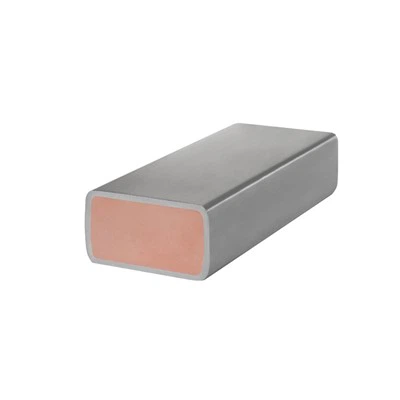
Don’t overcomplicate this: when it comes to ABS insulating edge strips and transport, it’s a no-brainer. They’re light, tough, easy to stack, and built to hold up on the road. You won’t regret making the switch if you’re tired of fighting with flimsy, heavy, hard-to-move edge strips from other suppliers.
Copper Bus Bar for Electrolysis Process References
- Acrylonitrile Butadiene Styrene (ABS) Material Properties. American Chemistry Council.
- Packaging Guidelines for Plastic Roll Goods. Institute of Packaging Professionals.
- Transportation of Thermoplastic Materials: Industry Best Practices. Global Supply Chain Review, 2022.
AATI Cathode Co., Ltd.
AATI Cathode Co., Ltd. is one of the leading abs insulating edge strips manufacturers and suppliers in China. We warmly welcome you to buy high-grade abs insulating edge strips made in China here from our factory. All customized products are with high quality and competitive price. Contact us for free sample.
Address: NO. 1, ZHENXING ROAD, BAOJI CITY, SHAANXI, CHINA
E-mail: ivy@bjaati.com
WebSite: https://www.bjcathode.com/
