If you’ve ever woken up to a cold shower mid-week, or noticed a drip that’s turned into a small puddle under your hot water heater, you know how stressful a plumbing issue can be. As someone who’s spent the last 12 years as a pipe repair clamp supplier, I get it—when something goes wrong with your home’s hot water system, your first thought is probably, “How do I fix this fast, and will it hold?” The question I get more than any other is this: Can a pipe repair clamp actually be used on hot water pipes? Pipe Repair Clamp
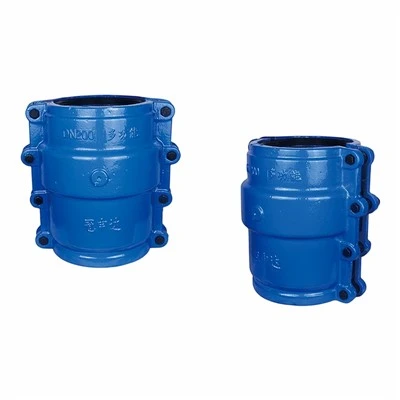
I’ve seen homeowners grab whatever’s in the hardware store and apply it to a leak, only to end up calling a plumber a week later when the clamp melted or popped off from the heat. I’ve also seen plumbers recommend our clamps for long-term fixes, cutting their service calls and saving their customers hundreds of dollars. The short answer is: Yes, but only if you pick the right clamp and apply it correctly. Let’s break this down, because there’s a lot more to it than just slapping any clamp on a hot pipe.
First, let’s talk about why hot water pipes are different from cold ones. Most residential hot water systems run at temperatures between 120°F and 180°F, though some commercial settings or older homes might reach up to 210°F. That heat doesn’t just come from the water flowing through the pipe—it transfers through the pipe wall to whatever is attached to it, including repair clamps. Cold water pipes, by comparison, rarely get above 80°F, so clamps made for cold use can’t handle that extra heat. They’re usually made from thinner rubber gaskets, lower-grade steel, or even plastic that breaks down when exposed to sustained high temperatures.
As a supplier, I’ve tested dozens of clamps to figure out what works for hot water. The key components that make a clamp suitable for hot pipes are the gasket material, the metal grade, and the design. Gaskets are the most important part here—they’re what create the watertight seal between the clamp and the pipe. For hot water, we only recommend gaskets made from EPDM rubber or silicone. EPDM is a synthetic rubber that can handle temperatures from -40°F to 300°F, so it’s more than enough for residential hot water systems. It’s also resistant to chlorine, minerals from hard water, and the mild chemicals in many water heaters, which means it won’t degrade or crack over time. Silicone gaskets can go even higher, up to 500°F, so they’re a good pick for pipes that run closer to a water heater, where temperatures might peak temporarily.
The metal body of the clamp matters too. We use 304 stainless steel for our hot water clamps, which is corrosion-resistant and can handle heat up to 800°F. Cheaper clamps made from galvanized steel or low-grade steel will rust over time, especially when exposed to the humidity and heat around hot water pipes. Rust eats away at the metal, making the clamp weaker, and it can also flake into your hot water, which is not something you want to drink or use for cooking. I remember a customer who bought a cheap clamp from a big box store to fix a leak on the pipe coming out of his water heater. Within three months, the galvanized steel corroded, the gasket failed, and he had a flood that damaged his basement. He ended up calling us and bought two of our heavy-duty hot water clamps, and he’s told me they’ve held for four years now. That’s the difference between doing it right the first time and cutting corners.
Now, let’s talk about design. Hot water pipes expand and contract as they heat up and cool down. When a pipe goes from cold to 180°F, it can expand by as much as 1/8 of an inch for every 10 feet of pipe. If you use a rigid clamp that doesn’t allow for that movement, it can put stress on the leak area, causing it to come back. Our hot water clamps have flexible, curved frames that move with the pipe, so they don’t create extra pressure on the seal. They also have reinforced bands that evenly distribute pressure around the pipe, which is important because a leak is usually a crack or a small hole, not a whole section of pipe. If the clamp only tightens in two spots, it can leave gaps on the sides, leading to another leak.
But here’s the thing—even the best clamp won’t work if you install it wrong. I’ve seen homeowners tighten a clamp so much that they crush the pipe wall, making the leak worse. Or they clean the pipe surface with a cloth that has oil or dirt on it, so the gasket can’t make a tight seal. When installing a repair clamp on a hot water pipe, there are a few rules I always give, no matter what type of clamp you’re using.
First, turn off the water supply to the hot water pipe. You don’t want the pipe full of running water when you install the clamp, because it will be harder to get a tight seal. Drain a little water to lower the pressure, but don’t drain all the water out—leaving a small amount keeps the pipe from collapsing when you tighten the clamp. Next, clean the area around the leak thoroughly. Use steel wool or a fine sandpaper to scrub away any rust, paint, or mineral deposits. Then wipe it down with rubbing alcohol to get rid of any oil or grease from your hands or tools. A clean surface is the difference between a clamp that lasts five years and one that leaks in a month.
When you place the clamp, make sure it covers the entire leak—we always recommend leaving a half-inch of overlap on each side, just to be safe. Tighten the bolts gradually, alternating between the two sides, so the pressure is even. Don’t crank them as hard as you can; just tighten them until the gasket squishes slightly against the pipe. If you over-tighten, you can damage the pipe, especially if it’s plastic or thin copper. For plastic hot water pipes, we actually recommend a specific type of clamp—our PVC-specific repair clamps have a softer gasket that won’t crack plastic when you tighten it, and they’re rated for the same high temperatures.
There are also times when a pipe repair clamp isn’t the right solution for a hot water leak. If the leak is on a section of pipe that’s rusted through in multiple spots, or if the pipe is more than 50 years old, a clamp might not hold long-term. In that case, you’ll want to replace the section of pipe. Clamps are for small, localized leaks—cracks up to 6 inches long, or holes less than an inch wide. If your leak is bigger than that, call a licensed plumber. As someone who’s seen too many botched DIY fixes, I always say it’s better to spend a little money on a professional if the job is too big, than to have to fix a major water damage problem later.
I’ve had customers ask me if they can use a pipe repair clamp for a hot water pipe that runs through their attic or garage, where temperatures drop in the winter. The answer is still yes, as long as the clamp is rated for hot water. The clamp’s job is to handle the heat from the water, not the outdoor temperature—though if you’re in a climate that gets below freezing, you should make sure the pipe is insulated, otherwise the water will freeze, expand, and burst the pipe, regardless of the clamp.
Another common question I get is about pressure. Residential hot water systems usually run between 40 and 80 PSI. Our hot water clamps are tested to handle up to 150 PSI, which is more than enough for any residential setting. If you have a commercial system with higher pressure, we also make heavy-duty industrial clamps that are rated up to 250 PSI, so you can find the right one for your needs.
As a supplier, I take pride in knowing that our clamps don’t just fix leaks—they give homeowners peace of mind. I’ve heard from so many customers who avoided an expensive plumbing call because they used the right clamp. One customer told me that he used our clamp to fix a leak on his water heater pipe the day before a vacation, so he didn’t have to cancel his trip or pay someone to come fix it. That’s the value of a good repair clamp on a hot water pipe.
I’ll be honest, there are a lot of bad clamps out there on the market that aren’t rated for hot water. If you buy a clamp that says “for cold water only,” don’t use it on hot pipes. It will fail, and you’ll end up with a bigger problem. When you’re shopping, look for labels that say “hot water rated” or “suitable for temperatures up to 180°F and above.” If you’re not sure, just ask a supplier—we’re always happy to tell you what works for your specific pipe and setting.
So to circle back to the original question: Can a pipe repair clamp be used on hot water pipes? Absolutely, but only if you choose the right clamp, install it correctly, and use it for the right type of leak. It’s not a one-size-fits-all solution, but when done properly, it’s a reliable, cost-effective fix that saves time and money.
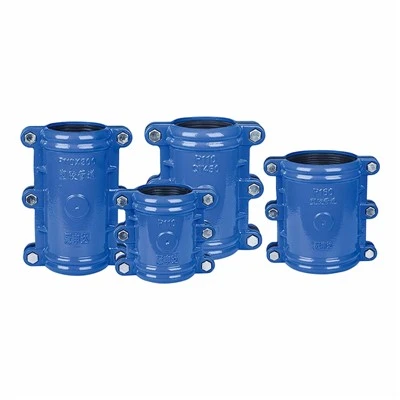
If you’re dealing with a hot water pipe leak and you’re not sure which clamp is right for you, or if you want to talk about options for your home or business, feel free to reach out to discuss your needs and find the perfect repair solution.
Pipe Connector References
American Society of Mechanical Engineers. (2020). Boiler and Pressure Vessel Code, Section VIII: Pressure Vessels.
International Association of Plumbing and Mechanical Officials. (2022). Uniform Plumbing Code, Chapter 6: Water Heaters and Storage Tanks.
Rubber Manufacturers Association. (2019). EPDM Rubber Material Properties and Application Guidelines for Plumbing Systems.
Copper Development Association. (2021). Copper Pipe Repair and Maintenance for Residential Plumbing Applications.
Fujian Fufa Valve Manufacturing Co., Ltd.
As one of the most professional pipe repair clamp manufacturers and suppliers in China, we’re featured by quality products and good price. Please rest assured to buy durable pipe repair clamp made in China here from our factory. Welcome to view our website for more information.
Address: Meilin Xikou Industrial Zone, Nan’an City, Quanzhou City, Fujian Province
E-mail: hongwenjin@fufafamen.cn
WebSite: https://www.fufavalve.com/
