If you’ve ever shopped for body armor—whether for professional security, law enforcement, or even personal protection for high-risk jobs—you’ve probably landed on two main categories: ceramic plate armor and bulletproof fabric (often called soft armor, for the flexibility). As a bulletproof fabric supplier who’s worked with everyone from armed response teams to construction workers who carry extra protection on job sites, I get the confusion. A lot of folks just default to one or the other without digging into what each actually does well (and where they fall flat). Let’s break this down straight—no sales fluff, just the real pros and cons of both, so you can pick what fits your needs. Bulletproof Fabric
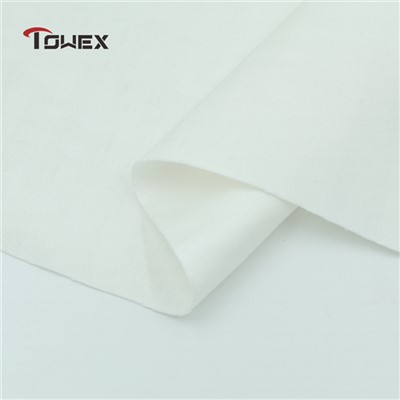
First, let’s make sure we’re on the same page, since “bulletproof” is a loose term here. Ceramic armor is hard armor—rigid plates, usually made of alumina, boron carbide, or silicon carbide, designed to stop high-velocity rifle rounds, like 5.56mm or 7.62mm NATO. Bulletproof fabric is soft armor—think Kevlar, Twaron, or UD (ultra-high-molecular-weight polyethylene, or UHMWPE) fabric, woven or layered into a flexible panel, built to stop handgun rounds, fragmentation from grenades, and maybe low-velocity rifle rounds (but not the big bad ones most people worry about).
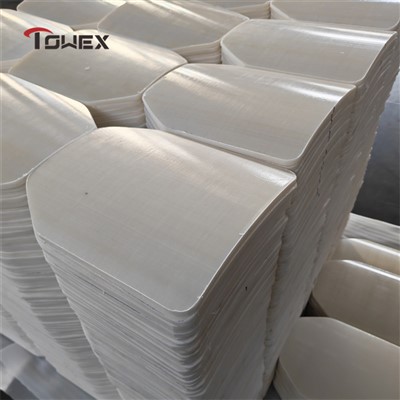
Starting with the pros of ceramic body armor, because that’s what most people associate with “heavy-duty protection.” The biggest win? It stops rounds that fabric just can’t. If you’re a soldier on a combat tour, a police officer facing active shooter threats with an AR-15, or a security guard guarding high-value targets that could be targeted with rifles, ceramic plates are non-negotiable. A single Level III or Level IV ceramic plate (the highest rated for civilian use) can stop a 7.62mm armor-piercing round without breaking—something even a multi-layered soft armor vest can’t pull off. Also, ceramic is pretty good at heat resistance, which matters if you’re working outdoors in extreme temperatures for long stretches. Another pro? Ceramic plates don’t have the “sagging” issue that fabric has. Once you fit a plate into a carrier, it stays rigid and in place, so you don’t have to adjust it every time you bend over or run.
Now, the cons of ceramic armor, and this is where a lot of users get frustrated. First, weight. A single Level III ceramic plate is usually 5 to 7 pounds, and a set (front and back) is 10 to 14 pounds. Add that to a carrier, maybe trauma kits, a radio, and your gear, and you’re looking at 20+ extra pounds on your torso. That’s not just uncomfortable—it causes fatigue after a few hours, and if you’re on your feet all day, it can lead to back or shoulder pain. Second, ceramic is brittle. Drop one on a hard concrete floor, and it could crack—even a small crack means it might not stop a round where it’s supposed to, so it’s a one-use item most of the time. That’s a big cost downside, too: a set of two Level IV ceramic plates can run $800 to $1,500, and if you have to replace them after every use, that adds up fast. Third, it’s bulky. You can’t bend over easily, and it looks like you’re wearing a shield—great for combat, not so great if you’re a civilian who needs to move discreetly, or a security guard who has to fit under a uniform jacket.
Switching to bulletproof fabric, which is what I sell, so I’m biased, but let’s keep it real. The biggest pro is flexibility and comfort. A soft armor vest made of layered Kevlar or UHMWPE fabric is lightweight—usually 2 to 5 pounds total, carrier included. It’s thin enough to fit under a dress shirt, uniform, or even a tactical jacket without bulging. You can run, climb, reach, bend over, and do all the daily tasks without feeling restricted. That’s a game-changer for people who aren’t in active combat: a school resource officer who needs to walk the halls, a delivery driver who might have to chase someone, a construction worker who works on scaffolding. Another pro is cost: a Level IIA or IIIA soft armor vest runs $300 to $800, and fabric panels are reusable. Even if you take a hit (though fabric isn’t rated for high-velocity rounds), you can get it inspected and repaired, not just thrown away. Also, fabric is great at stopping secondary threats: fragmentation from explosions, knife attacks, and even blunt force trauma. A lot of people forget that fragmentation is a huge risk in active situations, and soft fabric picks up that slack way better than rigid ceramic.
Now, the cons of bulletproof fabric, and I won’t sugarcoat these, because I know what my product can’t do. First, it stops handgun rounds and fragmentation, but not high-velocity rifle rounds. A Level IIIA vest (the highest soft armor rating) might stop a 9mm or .45 ACP, but a 5.56mm from an AR-15? That’s going to go right through. That means if you’re facing a threat with a rifle, fabric alone isn’t enough—you need a plate on top. Second, it can be less reliable in extreme heat or humidity. UHMWPE fabric, for example, breaks down faster in sustained high temps (like 100°F+ for weeks on end) or in heavy rain, which can weaken the fibers over time. I’ve had customers come to me with vests that lost their protection because they left them in a hot truck for a summer— that’s a real issue. Third, there’s the “knife penetration” thing, but wait, no— actually, some fabric is rated for that, but not all. The cheap multi-layered vests you see online? They’ll stop a small knife, but a big blade or a stabbing weapon with force will go through. Most reputable soft armor is good for knives, but it’s not a guarantee.
Let’s talk about the middle ground, because a lot of people think it’s either ceramic or fabric, but that’s not true. A lot of modern setups use both: a soft armor vest as the base, and a ceramic plate inserted into the front (and sometimes back) for rifle protection. That’s the sweet spot for a lot of people: you get the flexibility of fabric for daily movement, and the hard plate for when you’re at a higher risk of rifle threats. I’ve seen this work for police patrol officers, for example: they wear a soft vest to work, and keep a plate in their car for active shooter training or calls that turn violent. For civilians, it’s perfect if you need protection but don’t want to walk around like a tank.
Wait, let’s clear up a common myth: ceramic armor doesn’t make you bulletproof. No armor is 100% invulnerable— even a Level IV plate can fail if a round hits exactly on a seam or a defect. And soft armor isn’t just “for wimps” either. For someone who only faces handgun threats, a good quality Level IIIA fabric vest is way more effective and comfortable than a ceramic plate you’ll never even use. I’ve had a lot of new customers come to me thinking they need a hard plate, only to realize their job (say, a bank teller who only deals with handgun robberies) doesn’t require it, so fabric is the better pick.
Another thing to consider is long-term use. If you’re a soldier deployed for a year, ceramic plates are standard, but you have to account for the weight on your body, which leads to chronic injury. If you’re a teacher who wants to carry protection at school, fabric is way more discreet— you can wear it under your clothes and no one will know. If you’re a bouncer at a bar, fabric is flexible enough to move with fights, while ceramic would make you too stiff to react fast.
Let’s also talk about maintenance, because that’s a big part of cost over time. Ceramic plates need to be inspected every year, and replaced if they have any cracks, even small ones. Fabric vests can last 5 to 10 years if you take care of them— don’t leave them in the sun, don’t fold them too tight, don’t expose them to chemicals. I always tell my customers to wash fabric carriers every few months, and to store them flat, not crumpled in a drawer.
Wait, I should mention a recent update: new ceramic plates are getting lighter, right? Some advanced ones are down to 4 pounds per plate, which is almost as light as some fabric setups. But they’re way more expensive, so not everyone can afford them. And even the light ones are still rigid, so you don’t get the flexibility you get from fabric.
So who should pick ceramic? Anyone facing high-velocity rifle threats: active duty military, special response teams, counter-terrorism units, or people who regularly work in areas where rifle attacks are a risk. Who should pick fabric? Anyone facing handgun threats, fragmentation, or needs discretion and comfort: police patrol officers, teachers, security guards, delivery workers, civilians who want personal protection, or people who move around a lot for their job. And for most people, combining both is the best call— that’s what I recommend to a lot of my regular customers.
Now, if you’re trying to figure out exactly what you need, my team can walk you through your specific use case, no pressure, no sales pitch that doesn’t make sense. We can talk about the threats you’re likely to face, your budget, and how much flexibility you need, so you don’t end up with armor that’s too heavy, too bulky, or not protective enough. If you’re looking to restock for your team, or want to order a vest for personal use, just reach out to us to discuss your needs.
Cut Resistant Fabric References
- National Institute of Justice (NIJ). (2018). Ballistic Resistance of Body Armor. NIJ Standard-0101.06.
- Koerner, H. J., & Farmer, D. J. (2012). Advanced Materials for Personal Armor. Woodhead Publishing.
- U.S. Army Research Laboratory. (2020). Lightweight Ceramic Armor for Soldier Systems. ARL Report TR-20-015.
- International Association of Chiefs of Police (IACP). (2021). Soft Armor vs. Hard Armor: Selection Guide for Law Enforcement.
- American Society of Testing and Materials (ASTM). (2019). Standard Test Methods for Ballistic Resistance of Personal Body Armor. ASTM F1993-19.
Jiaxing Towex New Materials Co., Ltd.
Jiaxing Towex New Materials Co., Ltd. is one of the most experienced bulletproof fabric manufacturers and suppliers in China, also supports customized service with low price. Please feel free to buy bulk high quality bulletproof fabric in stock here from our factory. Contact us for quotation.
Address: Building 1666, Wuzhen High-tech Zone, Tongxiang City, Zhejiang Province
E-mail: sales@towextech.com
WebSite: https://www.topuhmwpe.com/
