Hey there! As a supplier of Ultrasonic Heat Meters, I often get asked about the standards and regulations surrounding these nifty devices. So, I thought I’d take a moment to break it all down for you in a way that’s easy to understand. Ultrasonic Heat Meter
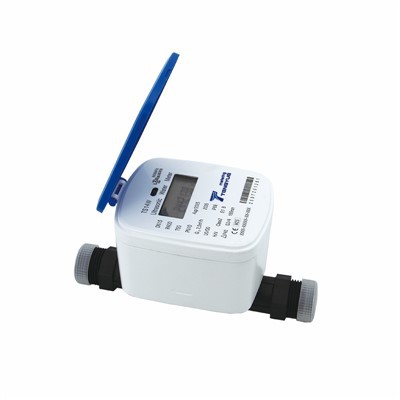
Why Standards and Regulations Matter
First off, why do we even need standards and regulations for Ultrasonic Heat Meters? Well, these meters play a crucial role in measuring the amount of heat consumed in a building or a district heating system. Accurate measurements are essential for fair billing, energy management, and ensuring the efficient operation of heating systems. Standards and regulations help to ensure that all heat meters on the market meet a certain level of quality, accuracy, and reliability.
International Standards
On a global scale, there are several important standards that govern the design, performance, and testing of Ultrasonic Heat Meters. One of the most widely recognized is the International Organization for Standardization (ISO) standard ISO 14343:2015. This standard provides specifications for the design, construction, and testing of heat meters, including requirements for accuracy, durability, and electromagnetic compatibility.
Another important standard is the European standard EN 1434. This standard is specific to heat meters used in the European Union and sets out requirements for performance, safety, and calibration. It also includes guidelines for installation, maintenance, and testing of heat meters.
National Standards
In addition to international standards, many countries have their own national standards and regulations for Ultrasonic Heat Meters. For example, in the United States, the American National Standards Institute (ANSI) and the American Society of Heating, Refrigerating and Air-Conditioning Engineers (ASHRAE) have developed standards for heat meters. These standards cover a wide range of topics, including accuracy, reliability, and installation requirements.
In China, the national standard GB/T 32224-2015 sets out the requirements for the design, production, and testing of Ultrasonic Heat Meters. This standard is based on international standards and takes into account the specific requirements of the Chinese market.
Key Requirements
So, what are some of the key requirements that Ultrasonic Heat Meters must meet under these standards and regulations? Here are a few important ones:
- Accuracy: Heat meters must be able to measure the amount of heat consumed with a high degree of accuracy. The ISO and EN standards specify accuracy classes for heat meters, ranging from class 1 to class 3, with class 1 being the most accurate.
- Durability: Heat meters must be able to withstand the harsh conditions of a heating system, including high temperatures, pressure, and corrosion. The standards require heat meters to be made of materials that are resistant to these factors and to have a long service life.
- Electromagnetic Compatibility: Heat meters must be able to operate without interference from electromagnetic fields. The standards specify requirements for electromagnetic compatibility, including limits on the amount of electromagnetic radiation that a heat meter can emit and its ability to withstand external electromagnetic interference.
- Calibration: Heat meters must be calibrated regularly to ensure their accuracy. The standards specify the frequency and method of calibration, as well as the requirements for calibration equipment and procedures.
Testing and Certification
To ensure that Ultrasonic Heat Meters meet the standards and regulations, they must undergo a series of tests and certifications. These tests are typically carried out by independent testing laboratories that are accredited by national or international organizations.
The testing process typically includes a series of performance tests, such as accuracy testing, durability testing, and electromagnetic compatibility testing. The heat meter must also be tested for compliance with the relevant standards and regulations.
Once a heat meter has passed all the tests, it is issued a certificate of compliance. This certificate is proof that the heat meter meets the requirements of the standards and regulations and can be used in a heating system.
Our Commitment to Quality
As a supplier of Ultrasonic Heat Meters, we are committed to providing our customers with high-quality products that meet the highest standards of accuracy, reliability, and durability. We use the latest technology and manufacturing processes to ensure that our heat meters are of the highest quality.
We also have a rigorous quality control system in place to ensure that every heat meter we produce meets the relevant standards and regulations. Our heat meters are tested and certified by independent testing laboratories to ensure their accuracy and reliability.
Contact Us for Your Ultrasonic Heat Meter Needs

If you’re in the market for Ultrasonic Heat Meters, we’d love to hear from you. We offer a wide range of heat meters to meet the needs of different applications and budgets. Our team of experts can help you choose the right heat meter for your specific requirements and provide you with all the support and advice you need.
Wireless Water Meter So, don’t hesitate to get in touch with us to discuss your Ultrasonic Heat Meter needs. We’re here to help you find the best solution for your heating system.
References
- ISO 14343:2015, Thermal performance of buildings – Heat meters – Requirements for design, construction and testing
- EN 1434, Heat meters
- ANSI/ASHRAE Standard 125, Performance Rating of Automatic Flow Control Valves
- GB/T 32224-2015, Ultrasonic heat meters
Lianyungang Tengyue Electronic Technology Co., Ltd.
We are one of the most reliable ultrasonic heat meter manufacturers and suppliers in China, specialized in providing high quality customized service. We warmly welcome you to wholesale high-grade ultrasonic heat meter for sale here from our factory. For price consultation, contact us.
Address: No.15, Xinlong Road, Haizhou Economic Development Zone, Lianyungang City,Jiangsu Province,China
E-mail: lily@tengyuemetering.com
WebSite: https://www.tysmartwatermeter.com/
