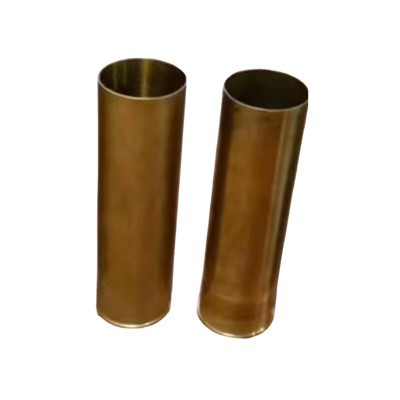
Micro motor stamping parts play a pivotal role in the functionality and performance of micro motors. These parts, which are often produced through high – precision stamping processes, require careful attention to lubrication during stamping to ensure optimal results. As a supplier of micro motor stamping parts, I have witnessed firsthand the significance of proper lubrication in this manufacturing stage. In this blog post, I will delve into the lubrication requirements for micro motor stamping parts during stamping, exploring the reasons behind these requirements, the types of lubricants used, and the best practices for application. Micro Motor Stamping Parts
Why Lubrication is Necessary in Micro Motor Stamping
The stamping process involves the use of a press to transform flat sheet metal into the desired shape of micro motor parts. During this process, there are high levels of friction and heat generated between the stamping die and the metal sheet. Without proper lubrication, these factors can lead to a series of problems.
Firstly, excessive friction can cause significant wear and tear on the stamping die. The die is a crucial and often expensive component in the stamping process. Any damage to it can lead to the production of defective parts and increase the cost of manufacturing due to frequent die replacement. Lubrication forms a thin film between the die and the metal sheet, reducing the direct contact and thus minimizing the frictional force. As a result, the lifespan of the stamping die is extended, and the quality of the stamped parts is more consistent.
Secondly, the heat generated during stamping can have detrimental effects on both the die and the metal sheet. High temperatures can cause thermal expansion of the die, altering its dimensions and leading to inaccurate part production. Moreover, the metal sheet may undergo a phase change or hardening due to the heat, which can affect its mechanical properties and make it more difficult to deform into the desired shape. Lubricants act as a heat transfer medium, absorbing and dissipating the heat generated during stamping. This helps to maintain a stable temperature in the stamping area, ensuring that the forming process proceeds smoothly and the final parts have the desired characteristics.
Types of Lubricants for Micro Motor Stamping
There are several types of lubricants available for use in micro motor stamping, each with its own advantages and disadvantages.
Oil – based Lubricants
Oil – based lubricants are one of the most common types used in stamping. They provide excellent lubrication properties, reducing friction and wear effectively. These lubricants can form a thick and durable film on the surface of the metal sheet, which is particularly beneficial for stamping operations that involve high forces or complex shapes.
Mineral oils are a popular choice in oil – based lubricants. They are relatively inexpensive and widely available. However, they may have some drawbacks. For example, they can leave residues on the stamped parts, which may require additional cleaning steps before the parts can be assembled into micro motors. Synthetic oils, on the other hand, offer better performance in terms of thermal stability and oxidation resistance. They can withstand higher temperatures without breaking down, making them suitable for high – speed stamping processes.
Water – based Lubricants
Water – based lubricants are becoming increasingly popular in the stamping industry due to their environmental friendliness. They are composed mainly of water, with additives to enhance lubrication and other properties. Water – based lubricants have several advantages. Firstly, they are easy to clean from the stamped parts, reducing the post – stamping cleaning time and cost. Secondly, they have good cooling properties, which can effectively dissipate the heat generated during stamping.
However, water – based lubricants also have some limitations. They may not provide as high a level of lubrication as oil – based lubricants, especially in high – pressure stamping operations. Additionally, they are more prone to evaporation, which means that proper storage and application methods are required to maintain their effectiveness.
Dry Lubricants
Dry lubricants, such as graphite and molybdenum disulfide, are used in some specific stamping applications. These lubricants are in a solid form and can provide lubrication without leaving a wet residue. They are particularly useful in applications where the stamped parts need to be clean and free of any liquid residues.
Dry lubricants work by forming a thin, solid film on the surface of the metal sheet. This film can reduce friction and prevent the metal from sticking to the die. However, they may require special application methods, such as spraying or powder coating, and they may not be as effective as oil – or water – based lubricants in some high – speed or high – force stamping operations.
Lubrication Application Methods
The proper application of lubricants is as important as choosing the right type of lubricant. Here are some common lubrication application methods used in micro motor stamping:
Spray Application
Spray application is a widely used method in stamping. It involves using a spray gun to apply the lubricant uniformly on the surface of the metal sheet. This method allows for precise control of the lubricant amount and distribution. It is suitable for both oil – based and water – based lubricants.
When using the spray application, it is important to ensure that the spray pattern covers the entire area of the metal sheet that will come into contact with the die. The distance between the spray gun and the metal sheet, as well as the spray pressure, should be adjusted according to the type of lubricant and the stamping requirements.
Roller Application
Roller application is another common method. In this method, the lubricant is applied to the metal sheet through a roller system. The roller spreads the lubricant evenly on the surface of the sheet as it passes through. Roller application is suitable for continuous stamping operations, where a large number of parts are produced in a single run.
The advantage of roller application is that it can provide a consistent and uniform layer of lubricant. However, the rollers need to be properly maintained to ensure that they do not introduce any contaminants onto the metal sheet.
Dip Application
Dip application involves immersing the metal sheet in a bath of lubricant. This method is simple and can ensure that the entire surface of the sheet is coated with the lubricant. It is often used for small – batch stamping operations or for parts with complex shapes that may be difficult to coat using other methods.
However, dip application may result in an uneven distribution of lubricant, especially if the sheet is not properly agitated in the bath. Additionally, it can be wasteful as more lubricant may be used than necessary.
Best Practices for Lubrication in Micro Motor Stamping
To ensure the best results in micro motor stamping, the following best practices for lubrication should be followed:
Select the Right Lubricant
As mentioned earlier, different stamping operations may require different types of lubricants. Consider factors such as the type of metal, the complexity of the stamping shape, the stamping speed, and the environmental requirements when selecting a lubricant. Conducting small – scale tests with different lubricants can help determine the most suitable one for your specific application.
Control the Lubricant Amount
Applying too much lubricant can lead to excessive residues on the stamped parts, which can cause problems in subsequent processes such as welding or painting. On the other hand, applying too little lubricant may not provide sufficient lubrication, resulting in increased friction and wear. Use the recommended amount of lubricant based on the stamping process and the type of lubricant used.
Maintain a Clean Stamping Environment
Contaminants in the stamping environment, such as dust, dirt, and metal chips, can mix with the lubricant and reduce its effectiveness. Regularly clean the stamping equipment, the work area, and the metal sheets before stamping. This helps to ensure that the lubricant can perform its function properly.
Monitor and Evaluate the Lubrication Process
Regularly monitor the stamping process to check for any signs of inadequate lubrication, such as excessive die wear, poor part quality, or increased stamping force. Evaluate the performance of the lubricant over time and make adjustments as necessary. This may involve changing the type of lubricant, the application method, or the lubricant amount.
Conclusion
In conclusion, proper lubrication is essential for the successful stamping of micro motor parts. It helps to reduce friction and heat, extend the lifespan of the stamping die, and improve the quality of the stamped parts. As a supplier of micro motor stamping parts, I understand the importance of meeting the lubrication requirements in the manufacturing process.
By choosing the right type of lubricant, applying it correctly, and following the best practices for lubrication, manufacturers can achieve optimal results in micro motor stamping. If you are in the market for high – quality micro motor stamping parts, I encourage you to reach out for a procurement discussion. We are committed to providing you with the best – in – class products that meet your specific requirements.
Stamped Parts References
- ASM Handbook Volume 16: Machining. ASM International.
- Metal Forming Handbook: Processes and Applications. Carl Hanser Verlag.
Yuyao Aozhou Metal Products Co., Ltd.
We are one of the most experienced micro motor stamping parts manufacturers and suppliers in China. With a professional production team, we are able to meet the needs of the majority of our customers. Please rest assured to buy customized micro motor stamping parts made in China here from our factory.
Address: No.6, Nanbailonggang, Wuma Industrial Zone, Lubu Town, Yuyao City
E-mail: xqr-2316@163.com
WebSite: https://www.cnaozhou.com/
