Hey there! I’m a supplier of Battery Car DC Relays. Lately, I’ve been getting a lot of questions from my customers about how humidity affects these little but crucial components. So, I thought I’d write this blog to share what I’ve learned over the years in the business. Battery Car DC Relay
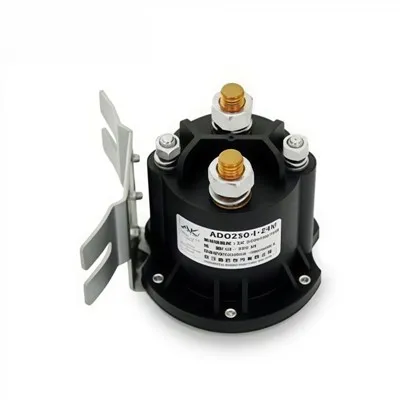
Let’s start with the basics. A Battery Car DC Relay is like a traffic cop in an electric vehicle. It controls the flow of electrical current between the battery and different parts of the car, like the motor and the charging system. When it works right, everything runs smoothly. But when something goes wrong, it can cause all sorts of problems.
Now, humidity. It’s the amount of water vapor in the air, and it can have a big impact on Battery Car DC Relays. High humidity means there’s more water in the air, and that water can find its way into the relay. And trust me, water and electricity don’t mix well.
One of the most obvious ways humidity affects a relay is through corrosion. You know how metal rusts when it’s exposed to water? Well, the same thing happens inside a relay. The metal parts, like the contacts and the terminals, can start to corrode when they’re exposed to humid air. Corrosion creates a layer of oxidized metal on the surface, which can increase the resistance of the electrical connection. When the resistance goes up, the relay has to work harder to pass the current, and that can lead to overheating. In some cases, the corrosion can be so bad that it completely breaks the electrical connection, and the relay stops working altogether.
Another problem is condensation. When the temperature inside the car changes, especially if it goes from warm to cold quickly, the water vapor in the air can condense on the surface of the relay. This is like when you take a cold drink out of the fridge, and water droplets form on the outside of the glass. Condensation can cause short circuits inside the relay. If the water droplets get between the electrical contacts, it can create an unintended path for the current to flow. This can not only damage the relay but also pose a safety risk to the vehicle and its passengers.
Humidity can also affect the insulation materials inside the relay. Most relays have insulation to prevent the current from leaking out and causing damage. But high humidity can reduce the effectiveness of this insulation. The water molecules can penetrate the insulation material, which can increase the chances of electrical leakage. Electrical leakage is not only a waste of energy but can also lead to electrical malfunctions in other parts of the car.
Now, you might be thinking, "Well, that sounds pretty bad. How can I protect my relays from humidity?" As a supplier, I’ve got a few tips.
First of all, proper sealing is crucial. A well-sealed relay box can keep the humid air out. Make sure the seals around the relay are in good condition and that there are no gaps or cracks where water can get in. If you’re installing the relay yourself, double-check the seals and consider using a waterproof sealant for extra protection.
Another thing you can do is use a desiccant. Desiccants are substances that absorb moisture from the air. You can put a small desiccant pack inside the relay box to help keep the humidity level down. Just make sure to replace the desiccant pack regularly, especially if you live in a very humid area.
It’s also a good idea to keep an eye on the humidity levels inside the car. Some modern vehicles have humidity sensors, so you can monitor the conditions and take action if the humidity gets too high. If you notice that the humidity is consistently high, you might want to consider using a dehumidifier in the car.
As a supplier, I take humidity into account when I’m designing and manufacturing Battery Car DC Relays. We use high-quality materials that are more resistant to corrosion and moisture. We also perform rigorous testing on our relays in different humidity conditions to make sure they can withstand the elements.
But even with the best design and manufacturing, humidity can still cause problems over time. That’s why it’s important to have your relays inspected regularly by a professional. A trained technician can check for signs of corrosion, condensation, and other humidity-related issues and fix them before they become major problems.
If you’re in the market for a reliable Battery Car DC Relay, you’ve come to the right place. I’ve been in this business for years, and I know what it takes to make a quality relay that can stand up to the challenges of different environments, including high humidity. Our relays are designed to be durable, efficient, and safe, so you can trust them to keep your electric vehicle running smoothly.
Whether you’re a car manufacturer, a repair shop, or an individual DIYer, I’m here to help. I can provide you with all the information you need about our products, including their specifications, performance, and price. And if you have any questions or concerns about how humidity affects your relays, I’m more than happy to share my expertise.

So, if you’re interested in purchasing our Battery Car DC Relays, don’t hesitate to reach out. We can discuss your specific needs and find the right solution for you. Let’s work together to keep your electric vehicles in top shape!
DC Contactor ASW Series References
- "Automotive Electrical Systems Handbook"
- "Relay Technology and Applications"
- Technical papers from relevant industry research institutions
Zhejiang Aokai Electric Co., Ltd.
Zhejiang Aokai Electric Co., Ltd. is your best source for the high quality battery car dc relay with CE certification. We have been one of the largest battery car dc relay manufacturers and suppliers in China since our establishment in 2008. Welcome to contact our factory for the products.
Address: No.166 Xiangbai Road, Huxi Industrial, Yueqing, China.
E-mail: akcontactor@aokai.com
WebSite: https://www.ak-contactor.com/
