If you’ve ever worked with polymethyl methacrylate (PMMA) as a raw material—whether producing acrylic sheets, automotive light covers, or medical-grade bioplastics—you know the cracking furnace is the backbone of the operation. For years, I’ve seen new operators and even veteran teams struggle with furnace downtime, inconsistent cracking yields, and premature equipment failures that cost tens of thousands in lost production, raw material waste, and urgent repair bills. As a supplier of PMMA cracking furnaces, I don’t just sell machinery— I’ve spent more than a decade fine-tuning every component and process to keep those furnaces running reliably, because I know how much rides on their stability. Let’s break down the actionable, science-backed steps that keep these critical units steady, along with the lessons I’ve learned from working with hundreds of clients across manufacturing, recycling, and specialty chemical industries. PMMA Cracking Furnace
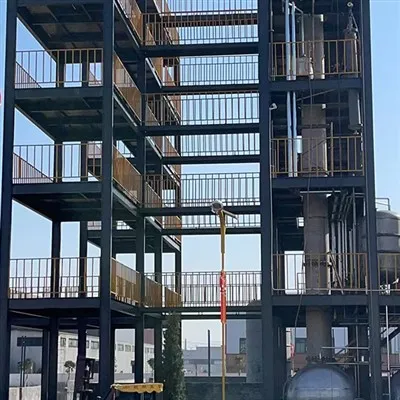
First, let’s ground this in what a PMMA cracking furnace actually does. Unlike traditional furnaces used for metal processing, PMMA cracking operates via pyrolysis: heating PMMA in an oxygen-free environment to break its polymer chains into methyl methacrylate (MMA) monomer, the high-value product that gets purified and reused. Small deviations in temperature, pressure, or atmosphere don’t just lower yield—they can cause carbon buildup on reactor walls, metal fatigue in critical components, or even volatile organic compound (VOC) leaks that force unplanned shutdowns. Stability here isn’t just about avoiding downtime; it’s about protecting your product quality and your bottom line.
The most foundational step to ensuring furnace stability is rigorous, real-time process parameter monitoring— and not just checking readings once an hour, either. I’ve seen too many clients rely on outdated temperature gauges that drift by 20-30°F over a month, or pressure sensors that only trigger an alarm when pressure hits a dangerous threshold, not when it starts creeping outside the optimal range. For PMMA cracking, the sweet spot is a core reactor temperature of 390°C to 420°C, with a uniform heat distribution across the entire reaction chamber. If one zone runs even 10°F higher, you’ll get unwanted side reactions that produce methacrylic acid and oligomers, clogging lines and reducing MMA yield by 5-8%. If it runs 10°F lower, cracking is incomplete, leaving raw PMMA residue that requires manual cleaning every 2-3 weeks instead of every 8-10.
To fix this, invest in a distributed control system (DCS) calibrated specifically for PMMA pyrolysis, not a generic furnace control tool. A good DCS will track temperature at 12+ points across the reactor, adjust heating element power in real time to eliminate hotspots, and log every parameter with timestamped data so you can trace issues back to their source. I recommend pairing this with redundant temperature sensors in the critical mid-reaction zone—so if one sensor fails, the system doesn’t crash or default to unsafe settings. Pressure monitoring is just as key: maintain a slight negative pressure (-0.5 to -1.0 kPa) in the reactor to prevent air ingress (which causes combustion and carbon buildup) while avoiding excess vacuum that pulls fine PMMA dust into the distillation lines. Most of my long-term clients use this setup and report cutting unplanned shutdowns by 70% in their first year of use, compared to their old generic furnaces.
Next, don’t overlook the raw material preparation step—this is where so many stability issues start, long before the furnace heats up. PMMA isn’t a uniform material: it comes in post-consumer scrap, off-spec production runs, and virgin resin, each with different molecular weights, additives, and contaminants. For example, post-consumer PMMA might have residual adhesives, paint coatings, or even small amounts of ABS or PET mixed in, all of which can degrade at different temperatures and release volatile compounds that disrupt the furnace’s oxygen-free environment. I once worked with a client who stopped sorting their scrap PMMA from other plastics, and within three months, their furnace had 2 inches of tar-like residue lining the reactor walls, forcing a $12,000 cleaning and three days of lost production.
The fix here is simple: implement a raw material validation and pre-treatment process tailored to your feedstock. For mixed scrap, use a float-sink separator and optical sorter to remove non-PMMA materials, then run a small test pyrolysis batch in a lab unit to check for contaminants before introducing a full load to the main furnace. For virgin or off-spec PMMA, shred it to a uniform particle size (10-15 mm works best) to ensure consistent heat transfer—oversized chunks can trap air inside, leading to localized hotspots, while fine dust can clog feed lines. One of my specialty recycling clients swears by this step: they pre-treat all their scrap, and their furnace has run 12 consecutive months without a wall cleaning, something they never achieved with unprocessed feed.
Then there’s the maintenance routine—stability doesn’t happen by accident; it’s built on consistent, preventive checks, not just reacting to breakdowns. I see three common maintenance mistakes that derail furnace performance: skipping pre-start checks, neglecting critical component wear, and waiting for signs of failure before replacing parts. For PMMA cracking furnaces, pre-start checks should be a 45-minute step every time you fire up the unit, not a 5-minute formality. This means testing the oxygen purge cycle (to make sure it can pull O2 levels below 100 ppm before heating begins), checking heating element resistance to avoid uneven heating, and inspecting the gasket on the reactor door for tears that could cause air leaks mid-run.
Wear is another big one. The reactor’s heating elements, insulation, and rotary feed screw (if you use a continuous feed furnace) all degrade over time, and worn parts cause immediate stability issues. Heating elements that are 10% under their rated resistance will run 20°F cooler than specified, leading to incomplete cracking, while insulation that’s lost 20% of its R-value will waste energy and create hotspots on the furnace’s outer shell that stress internal components. My recommendation here is a scheduled maintenance calendar: every 3 months, inspect and clean the feed screw and reaction chamber inlet; every 6 months, test and calibrate all temperature and pressure sensors; every 12 months, replace heating elements and insulation if they’re showing signs of wear. I also provide each client with a custom maintenance checklist and spare parts kit, so they never have to wait weeks for a replacement part that could mean a shutdown.
A less talked-about factor is the furnace’s atmosphere and gas flow management. Even with the best sensors, poor gas flow can cause oxygen buildup or uneven vapor distribution in the reactor. PMMA cracking requires a continuous flow of inert gas (usually nitrogen) or the pyrolysis vapors themselves to carry MMA away from the reactor, preventing repolymerization and carbon formation. If the gas flow rate is too low, MMA vapors stay in the reaction zone, cool, and solidify, clogging distillation lines and forcing a shutdown. If it’s too high, you’re wasting inert gas and losing valuable MMA in the vent stream.
To get this right, match your gas flow rate to your furnace’s capacity and feed rate. For a 500 kg/hour continuous feed furnace, a nitrogen flow rate of 15-20 m³/hour is ideal. Monitor gas purity too—nitrogen with more than 2 ppm O2 can cause combustion in the reactor, so install a gas purifier or use a high-purity nitrogen generator on-site to avoid this issue. I’ve also helped clients adjust their gas flow during batch changes: when loading new feed, slightly increase flow to purge any residual air, then dial it back once the reaction stabilizes. This small tweak has reduced line clogs by 40% for many of my clients.
Finally, invest in operator training tailored specifically to PMMA cracking furnaces. I’ve seen technicians who are experts in general industrial furnaces struggle with PMMA’s unique requirements, and that’s a preventable risk. Too many facilities treat furnace operation as a “set it and forget it” task, but PMMA cracking requires real-time adjustments—like tweaking temperature during a feed change, or responding to a minor pressure spike before it becomes a leak. My team provides on-site training for all new clients, covering everything from start-up and shutdown procedures to troubleshooting common issues like temperature drift or line clogs. We also offer ongoing support, so if an operator has a question at 2 a.m. during a production run, they can call us and get guidance fast. The best furnaces in the world only perform as well as the people running them.
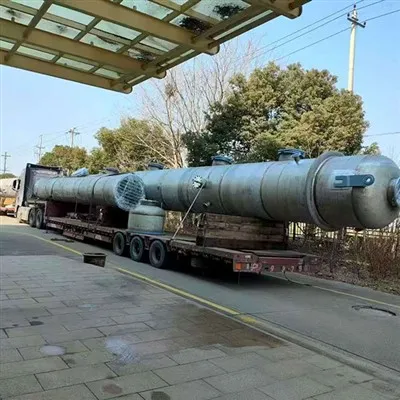
If you’re looking to upgrade your current furnace or invest in a new unit, remember that stability is the foundation of profitable PMMA cracking—lower downtime, higher yield, less waste means more revenue and less stress. I’ve spent years refining every component of our furnaces to prioritize that stability, because I know how critical this process is to your business. To discuss your specific needs, talk through your current challenges, or get a quote for a PMMA cracking furnace built for long-term, reliable operation, reach out to our team. Our experts will work with you to design a solution that fits your production scale, feedstock type, and quality goals, no generic one-size-fits-all models here.
Distillation Column References
- M. S. El-Sayed, Pyrolysis of Polymethyl Methacrylate for Methyl Methacrylate Recovery, Journal of Analytical and Applied Pyrolysis, 2018, vol. 132, pp. 112-120.
- ASTM International, Standard Practice for Pyrolysis of Plastic Wastes, ASTM D7582-17, 2017.
- R. K. Singh et al., Continuous Pyrolysis of Post-Consumer PMMA: Effect of Operating Parameters on Product Yield and Quality, Waste Management, 2020, vol. 106, pp. 245-254.
- International Organization for Standardization, Plastics – Pyrolysis for Chemical Recycling – Guidelines for Process Stability, ISO 18562:2019, 2019.
Wuxi Quansheng Industrial Equipment Co., Ltd.
As one of the most professional PMMA cracking furnace manufacturers and suppliers in China, we have world-leading production equipment and strong manufacturing capabilities. Welcome to buy high quality PMMA cracking furnace for sale here from our factory. For price consultation, contact us.
Address: No.10, Fulaiqiao Road, Hudai Town, Binhu District, Wuxi City, Jiangsu Province, China
E-mail: 397293586@qq.com
WebSite: https://www.pmmatech.com/
