Hey there, if you’ve ever wandered through a home goods store, flipped through a fancy dress catalog, or paused at the intricate table runner in a boutique café, you’ve probably spotted jacquard woven fabric without even realizing it. It’s that stuff with the complex, raised patterns—florals that pop, geometric motifs that look hand-drawn, even tiny logos that feel so crisp you could almost trace them with your finger. As someone who’s been supplying jacquard woven fabric for over a decade now, I get all the time I get from customers: “How long will this actually last?” Like, is it just a pretty face that’ll fray after six months, or is it the durable workhorse I can actually put to use in my sofa, upholstery, or custom curtains? Let’s break this down straight, no sales fluff, just the real deal on how long jacquard woven fabric sticks around. Jacqurard Woven Fabric
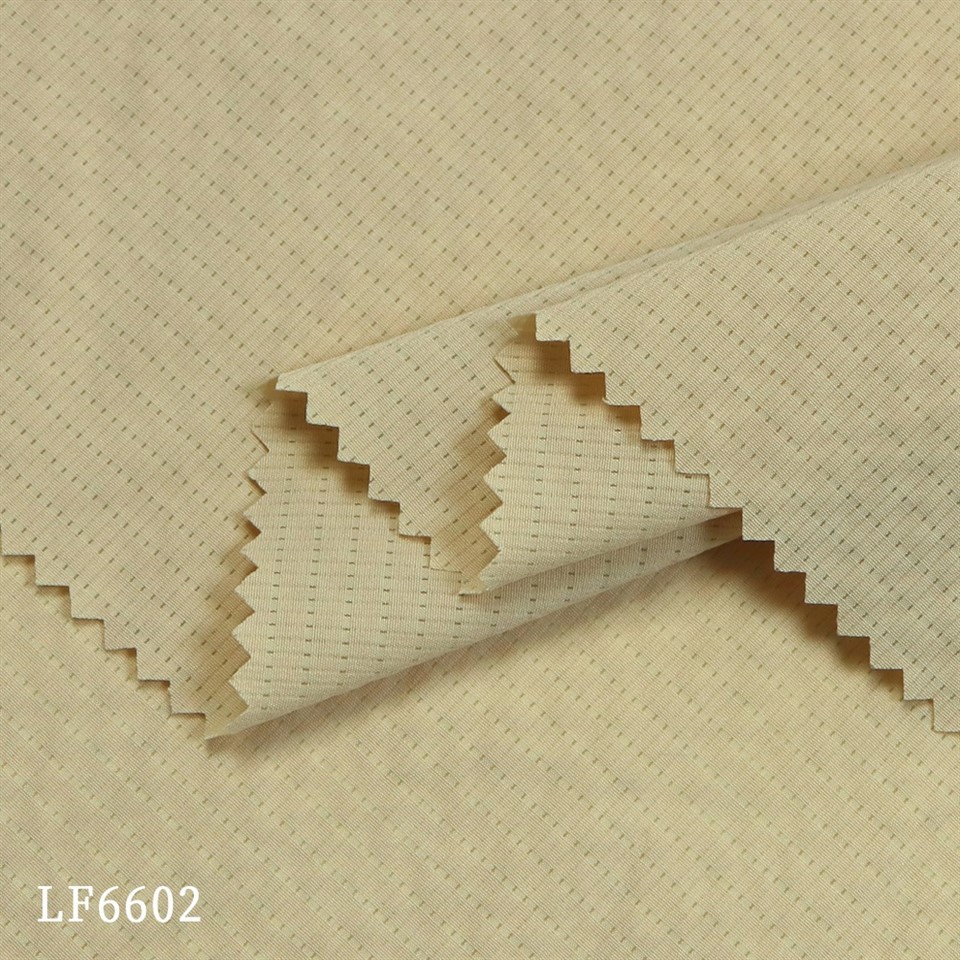
First, let’s get one thing straight—jacquard isn’t just a fabric type. It’s a weaving technique. Back in the 1800s, Joseph Marie Jacquard invented that punch-card loom (super cool for its time, it basically invented programmable weaving) that let you weave way more intricate patterns than the hand looms before it. These days, most jacquard is machine-woven, but the core idea is that instead of printing a design onto plain fabric, you’re weaving the pattern right into the threads themselves. That’s a huge part of why it’s long-lasting—no ink to crack or peel, no paint to fade off. The design’s part of the fabric. But how long does it actually hold up? Let’s start with the base materials, because that’s the biggest factor, and I’ve seen this play out a thousand times with different orders.
Most of the jacquard we supply falls into four main material categories, and their lifespans vary a lot. First up is cotton, which is super common for bedding, casual upholstery, and decor. Cotton jacquard, if it’s high-quality (not that thin, stuff-that-feels-like-tissue-paper cheap cotton), lasts anywhere from 10 to 15 years if you take basic care. Wait, why is that? Cotton is a natural fiber, it breathes well, which makes it great for bed sheets that don’t overheat, but it’s not as tough as synthetics. I’ve had customers order custom curtain panels with cotton jacquard that get washed once a month and have held up for 12 years—no frayed edges, patterns still sharp, no pilling. But if it’s that super cheap cotton blend with polyester mixed in just to cut costs, you’re looking more like 5 to 8 years. The key here is thread count and density, too. A tightly woven cotton jacquard (we measure that in ends per inch, EPI, by the way—more EPI means tighter weave) will hold up way better than a loose, sloppy one that catches on every corner.
Next, polyester jacquard. This is the workhorse, the go-to for most commercial upholstery, outdoor cushions, and high-traffic pieces. Polyester is a synthetic fiber, it’s resistant to stains, mildew, and UV light, which is why it’s my top pick for people who don’t want to baby their fabric. Polyester jacquard will easily last 15 to 20 years, sometimes even longer if it’s treated with a stain-resistant finish. I had a customer a few years back who ordered custom outdoor sofa cushions in our polyester jacquard—they leave them out year-round in Florida, sun, rain, the whole nine yards. He texted me last month saying they’re still going strong, no fading, no fraying, the pattern hasn’t shifted. That’s wild, right? Natural fibers would have cracked or moldy in a year, but polyester holds up.
Then there’s linen jacquard. Linen’s another natural fiber, it’s that rough, textured stuff that’s super trendy right now for boho decor, table linens, and statement curtains. Linen is durable, but it’s prone to wrinkles, and it’s a bit more fragile than cotton or polyester. Linen jacquard’s lifespan is around 8 to 12 years, again depending on how it’s used. If you’re using it for a table runner that only gets used for holidays, it might hit 15, but if it’s a couch slipcover that’s getting sat on every single day, you’re looking more like 8. The thing about linen is that it softens with age, which some people love, but that softening can make the weave a little looser over time if you’re not careful.
Last but not least, silk and rayon (viscose) jacquard. These are the fancy ones, used for formal upholstery, high-end dresses, and couture decor. Silk jacquard is gorgeous, has that lustrous sheen, but it’s super delicate. If you’re using silk for something like a throw pillow that only gets patted, not sat on or spilled on, it could last 10 years, but if it’s upholstery, you’re looking at 3 to 5 years max, because it snags easily and stains like crazy. Rayon is a bit more durable than silk, but still way more fragile than the other fibers, so around 5 to 7 years. These are not the fabrics I recommend for families with kids or pets, just so you know—they’re for display more than daily use.
Okay, so material is the base, but there’s way more to how long jacquard lasts than just what it’s made of. The weave structure itself is huge. Remember that jacquard’s pattern is woven into the threads—there are different weave patterns inside jacquard, right? Satin weave, twill weave, plain weave. Satin weave jacquard has a smoother, shinier surface, and it’s more susceptible to pilling and abrasion if it’s high-traffic. Twill weave is a little more rugged, more durable, less likely to pill, which is why we often use that for sofa upholstery. The density of the weave too—like, a 20 EPI jacquard is way looser and will wear out faster than a 50 EPI one. I see so many cut-rate suppliers selling low-density jacquard that looks nice on the shelf but frays after a year because they skimped on thread density to cut costs. That’s a mistake a lot of new designers make, and it’s why they end up thinking jacquard is flimsy when it’s just bad quality.
Then there’s use and environment, which is probably the biggest variable of all. You could have two identical polyester jacquard sofa covers—one in a quiet guest room that only gets used on holidays, and one in a family room with two teens and a golden retriever. The guest room one will last 20 years, the family room one will start showing minor wear after 10. Spills matter, too—if you’re cleaning a stain right away instead of letting it set, that keeps the fabric and the weave intact. Sunlight is a huge one for fade—if you hang cotton jacquard curtains in a window that gets direct sun all day, they’ll fade way faster than if they’re in a shaded corner. I had a customer last year who ordered curtains for a south-facing living room, didn’t mention the sun, and after a year she messaged saying the pattern was faded. We adjusted her order to our UV-treated polyester jacquard instead, and those are still bright three years later. That’s a perfect example of how environment changes lifespan.
Care and maintenance rounds this out. Even the most durable jacquard will fall apart if you treat it like garbage. Follow the care instructions—most cotton and polyester jacquard is machine washable on a gentle cycle, but silk is dry clean only. Avoid harsh detergents, avoid bleach, don’t over-dry in high heat. I always tell customers: if you’re gonna own this fabric, treat it like you’d treat a good pair of jeans. Basic care goes a long way. I’ve seen people take a linen jacquard tablecloth that’s 20 years old, still going strong, just because they wash it gently and don’t yank it too hard when folding.
Now, let’s get real about common myths, because I hear these all the time. First myth: “jacquard is just printed fabric that’s overpriced.” No way. We had a customer test this a couple years ago—they bought a printed curtain panel and a jacquard curtain panel that looked identical, same design, same size. The printed one started fading after 6 months, peeled a little at the edges after a year. The jacquard one is still perfect 5 years later. Because the pattern’s in the threads, not on top, so it can’t peel or fade the same way. Second myth: “all jacquard lasts the same.” Nope, as I laid out earlier, material, weave, use, all change that. There’s a reason we charge more for high-density polyester jacquard than cheap cotton blends—you get what you pay for. Third myth: “jacquard is only for fancy stuff.” I’ve supplied jacquard for everything from throw pillows to tote bags to restaurant booths. It’s versatile, and durable for any use, not just formal decor.
Wait, also, let’s talk about repair, because that affects how long it feels like it lasts. Jacquard weave is tight, so if there’s a small snag or a loose thread, it’s super easy to fix, unlike plain fabrics where a small tear can turn into a big hole. I’ve had customers send in photos of a tiny snag on their couch, and a quick stitch with matching thread fixes it, so the piece keeps going for years longer. That’s another advantage of the woven pattern—repairable, which makes it last even more.
As a supplier, I’ll be the first to say I don’t push every customer into the most expensive jacquard. If you need something for a temporary event, like a wedding backdrop that’ll only be used for a weekend, you can go with a lower-cost cotton blend jacquard that’s still way better than printed, and it’ll hold up just fine for that short time. If you need something for a sofa you’re gonna have for 20 years, we’ll walk you through the polyester jacquard options that are UV and stain resistant. It’s all about matching the fabric to the use, and that’s what determines how long it lasts.
So putting it all together: a high-quality jacquard woven fabric, matched to its intended use, with basic care, will last anywhere from 5 years (fancy silk for display) up to 20+ years (polyester for high-traffic outdoor or commercial use). That’s way longer than printed fabrics, that’s way longer than many other woven fabrics that aren’t jacquard, and it’s why jacquard is such a popular choice for people who want pieces that last, not just look good for a season.
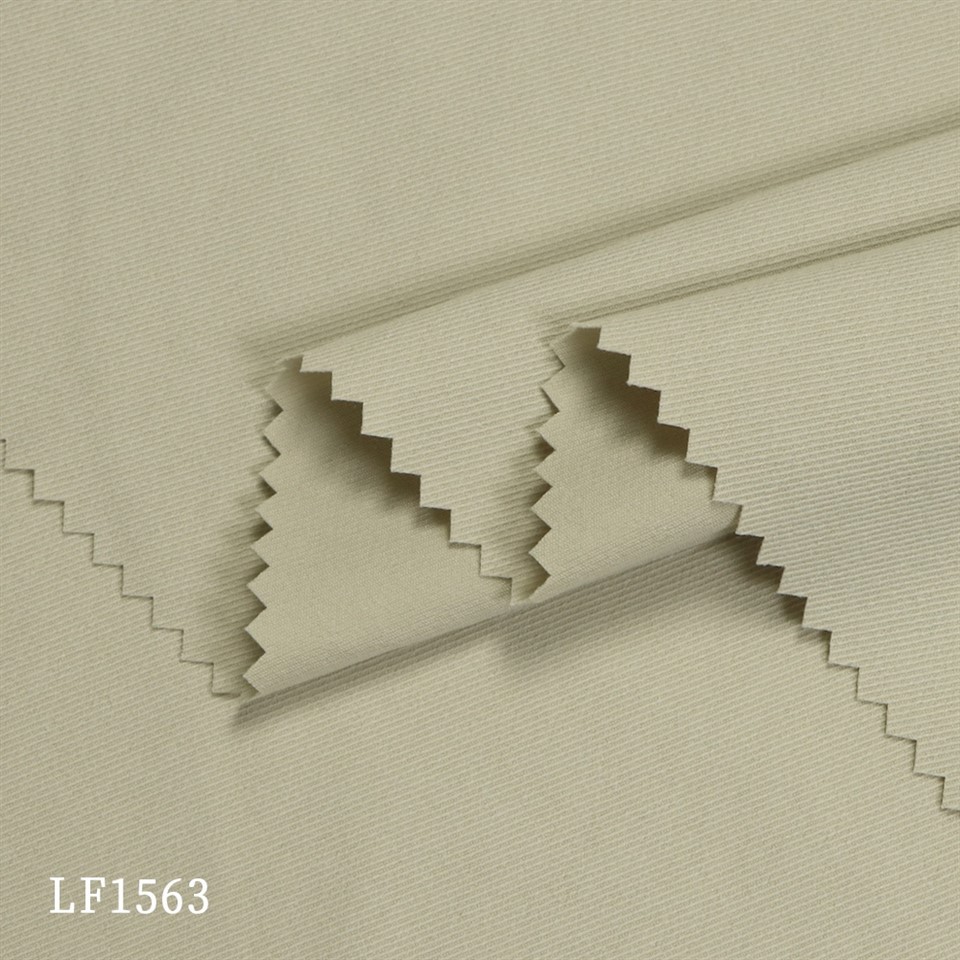
If you’re working on a project right now—whether it’s custom upholstery, window treatments, bedding, or anything else, and you want to know which jacquard fabric will fit your timeline and needs, hit me up. I can walk you through the different materials, densities, and care tips, no pressure, just straight answers. We work with designers, homeowners, small businesses, all kinds of folks, and we make sure you get a fabric that works for what you need, not just what we want to sell. Don’t hesitate to reach out to discuss your project and find the perfect jacquard woven fabric that’ll last for years to come.
Twill Woven Fabric References:
- Textile Institute. (2021). "Durability of Woven Fabrics: Fiber Type, Weave Structure, and Environmental Factors". Journal of Textile and Apparel, Technology and Management.
- American Home Furnishings Alliance. (2022). "Residential Upholstery Fabric Lifespan and Performance Standards".
- Textile World. (2020). "Jacquard Weave Technology: Manufacturing, Properties, and Applications in Home and Apparel Textiles".
- The Linen Guild. (2021). "Linen Fabric Performance and Longevity: A Comprehensive Guide".
- Polyester Fiber Manufacturers Association. (2022). "Synthetic Fiber Durability: Polyester as a High-Performance Textile Material for Upholstery and Outdoor Applications".
Shaoxing Huichao Textile Co., Ltd.
As one of the most professional jacqurard woven fabric manufacturers and suppliers in China, we offer a wide range of products with superior quality. We warmly welcome you to wholesale bulk jacqurard woven fabric in stock here from our factory. If you have any enquiry about cooperation, please feel free to email us.
Address: Shenyue International Build ing, Unit 1603-1605, Keqiao District, Shaoxing City, Zhejiang Province, China
E-mail: darrenzhong@huichaotextile.com
WebSite: https://www.huichaotextile.com/
