Hey there, if you’ve ever spent hours hunting for a coffee table that actually works with your leather sofa, you get it. I’ve been in the coffee tables game for years—supplying all kinds of pieces to folks revamping their living rooms, and one question I get more than any other is this: “What kind of coffee table goes with a leather sofa?” It’s not a trivial ask, either. A leather sofa is a big investment—sturdy, timeless, and often the centerpiece of your whole living space—so pairing it with the wrong table can throw the whole room off. I’ve seen it all: a sleek modern leather sofa paired with a chunky oak coffee table that makes the space feel cluttered, or a plump, traditional leather couch next to a tiny glass table that looks like it doesn’t belong. Today, I’m breaking this down like I would with a customer walking through my warehouse—no fancy design jargon, just real, actionable stuff based on what actually stands the test of time. Coffee Tables

First, let’s talk about why leather sofas are such a specific beast to pair with. Leather is heavy, rich, and has a texture that ranges from smooth (like polished cowhide) to slightly distressed (worn-in, matte leather that feels like it has history). It’s bold, too—whether you’ve got a classic deep brown, a sleek black, a trendy gray, or even a bright tan leather, that sofa is the star. Your coffee table shouldn’t compete with it; it should complement it, not overshadow it. That’s the first rule I always share. But there’s more to it than just matching colors. Function matters too, right? If you’ve got kids, you need something durable. If you love hosting, you need enough surface space for drinks and snacks. If your living room is small, you don’t want a bulky table that makes it feel cramped. I’ve had customers come in saying they just want a table that “looks good” but end up realizing it’s useless for their daily routine. Balance is key here.
Let’s start with size, because that’s the most common mistake people make. A lot of folks think, “bigger is better” when it comes to coffee tables, but not with leather sofas. Wait, hold on—hear me out. Leather sofas are often substantial, especially the ones with thick cushions and a solid frame. A table that’s too large will make the sofa look tiny by comparison, or take up so much space that you can’t walk around it comfortably. The sweet spot? Your coffee table should be about two-thirds the length of your sofa. Let’s do a quick example: if your sofa is 8 feet long, your table should be around 5 to 5.5 feet long. For width, it shouldn’t stick out more than a few inches beyond the arms of the sofa. That way, everyone sitting on the couch can reach their drink without stretching, and there’s enough gap (usually 12 to 18 inches) between the couch and the table to move around. I once had a customer bring in a photo of their 9-foot leather sectional paired with a 7-foot rectangular table—turns out, the table was so big, their kids had to climb over it to get to the TV. We swapped it for a 6-foot table, and suddenly the whole room felt open and functional.
Next up, shape. This is where it gets fun, but also where people overcomplicate things. Leather sofas come in all shapes too: straight three-seaters, L-shaped sectionals, curved loveseats, even vintage barrel backs. The table shape should flow with the sofa, not fight it. Let’s go through the main ones. If you’ve got a straight, angular leather sofa (think modern or mid-century), a rectangular or square table is a no-brainer. It lines up with the clean lines of the sofa—feels intentional, not messy. For a curved or sectional leather sofa, round or oval tables work way better. I’ve seen a curved tan leather sofa paired with a round reclaimed wood table, and it looked like they were made for each other—no sharp edges bumping into knees, and the soft curve of the table matches the soft curve of the couch. Wait, but what if you have a small living room? Square tables can sometimes work better than round, because you can tuck them into corners easier, but just make sure the edges aren’t too sharp (especially if you have pets or kids). A lot of my customers with small spaces love nesting tables too—they’re versatile, take up less room when not in use, and you can pull them out for guests. Pro tip: avoid triangle tables. Unless your sofa is super unique, triangle coffee tables almost never work with a standard leather sofa—they throw off the balance of the whole space.
Material is where most of the style pairing happens, and this is where I can speak from experience as a supplier. Leather is warm, it’s tactile, so the material of your coffee table should either complement that warmth or add a nice contrast—no clashing. Let’s start with wood, because it’s the most popular, and for good reason. Solid wood or wood veneer has a natural texture that pairs beautifully with leather. If you’ve got a dark brown leather sofa, a light oak or pine table adds a nice contrast—dark leather can feel heavy, so a lighter wood keeps things from feeling too gloomy. If you’ve got a light tan or gray leather sofa, a dark walnut or mahogany table adds richness without feeling overwhelming. I’ve also had great luck with distressed wood for leather sofas, especially vintage or rustic-style leather couches—it gives that lived-in, cozy vibe that works so well for family rooms. Just make sure the wood finish is durable; leather is smooth, but it can scratch if the table has rough edges, so a sealed, smooth finish is best for daily use.
Now, glass and metal tables—these are trickier, but not impossible. If you’ve got a sleek, modern leather sofa (black, polished, low-profile), a glass top table with a metal frame can look amazing. The transparency of the glass keeps the space feeling open, which is perfect for small modern living rooms, and the metal (chrome, stainless steel, black iron) adds a sharp edge that matches the clean lines of the leather. But here’s the catch: glass tables don’t have the same warmth as wood, so if your leather sofa is warm brown or tan, a plain glass table can feel cold and out of place. To fix that, add a wooden tray on top of the glass table for holding drinks or decor—it bridges the gap, adds that warm touch, and makes the table functional. Metal-only tables work best with leather too, especially industrial-style black leather sofas paired with a raw iron table. Just don’t go too shiny; polished chrome can look too sterile next to the rich texture of leather, so brushed metal or matte black is better.
Then there’s mixed materials—this is my favorite, because it covers so many cases. A wood table with a metal base, or a glass top with a wood edge, is super versatile and works with almost any leather sofa. I had a customer with a mid-century tan leather sofa, and we paired it with a walnut table that had tapered metal legs— it looked like it was custom-made for their couch. The metal legs add a modern touch, while the wood keeps it warm, and it didn’t compete with the leather’s natural texture. Mixed material tables are also great for function; many have hidden storage inside, which is a huge win for people who need space for remotes, magazines, or kids’ toys.
Let’s talk about color matching, because that’s where a lot of people mess up. You don’t have to match the exact color of your leather sofa— in fact, that can look too matchy-matchy and boring. What you want is a cohesive color palette. If your leather sofa is a neutral (black, brown, gray, tan), you can go with almost any table color, just make sure it ties into other elements in the room. For example, if you have a black leather sofa, a dark gray wood table works, but also a light white oak table if your walls are white and your rug has light tones. If your leather sofa is a bold color (wait, some people have bright red or forest green leather—crazy, but cool), then your coffee table should be neutral to balance it out. A plain wood or black table keeps the focus on the sofa without clashing. I always tell customers to look at the other furniture in the room: your dining table, your side tables, your rug. The coffee table should match the vibe of those pieces, not the exact color of the leather (unless you want a super bold, monochromatic look, which works for some modern spaces).
Function over style—this is a rule I live by, because I’ve seen customers buy a table that looks perfect for Instagram, but they never use it because it’s too high or has no storage. What’s the right height for a coffee table with a leather sofa? The standard is 16 to 18 inches. That’s low enough that you can set down a drink without it being too high, and it’s the same height as most sofa arms. Wait, but if you have a sectional with chaise, you can go a little lower, like 14 to 16 inches, because people are sitting lower on the chaise. And if you love hosting, get a table with a lift-top or hidden storage. A lift-top table lets you work on your laptop or eat dinner on the couch, which is a game-changer for lazy nights in. I supply a ton of lift-top tables specifically for customers with leather sectionals—they love being able to pull the top up without having to move everything off the table. If you have a small living room, opt for a round or oval table with no sharp corners, because it’s easier to maneuver around. Avoid tables with protruding legs that stick out from the sides—they get knocked by knees all the time, especially with leather sofa arms that are thick and sturdy.
Wait, what about specific leather types? That’s a thing I don’t see a lot of design blogs talking about. Smooth, polished leather (the kind that’s common in modern sofas) pairs best with sleek materials: glass, metal, or smooth solid wood. Distressed leather (worn, matte, with that vintage texture) works better with reclaimed wood, rattan, or even leather-upholstered coffee tables? Wait, hold on—leather coffee tables? Is that a thing? Yeah, it is, and it’s great. If you have a leather sofa, a leather coffee table can look super cohesive, like it’s part of the same set. Just make sure it’s a different texture, or a different shade, so it doesn’t blend in too much. A dark brown distressed leather sofa paired with a light tan smooth leather table—adds contrast, feels luxurious, and matches the whole room. I’ve had a few customers go for leather top tables with wood bases, which bridges that gap between the leather sofa and the wood in the room.
Common mistakes to avoid, because I can list a million of these. First, a table that’s too high or too low. If your table is 22 inches high, it’ll feel like a barrier between you and the couch; if it’s 12 inches high, you’ll have to reach way down for your drink. Second, a table that’s too big. I mentioned this earlier, but it’s worth repeating. A leather sofa is heavy, so a huge table makes the whole room feel unbalanced. Third, clashing materials. If you have a rough, rustic leather sofa, don’t pair it with a sleek glass table—it feels like two different styles fighting. Fourth, ignoring the rest of the room. Your coffee table shouldn’t exist in a vacuum. If you have a shag rug, a smooth wood table looks better than a metal one, because it balances the texture of the rug. If you have a concrete coffee table elsewhere in the room, don’t get a wooden one—stick with something that matches that concrete vibe.
Let me give you some real examples from my warehouse, so you can picture it. Last month, a customer brought in a photo of a deep brown leather three-seater sofa, mid-century style, with tapered wooden legs. We paired it with a 5-foot square walnut table with tapered legs—same wood tone as the sofa’s legs, same clean lines, and it was two-thirds the length of the couch. She came back a week later and said it was perfect—her whole living room felt balanced, not cluttered, and she could set her coffee mug down without stretching. Another customer had a large L-shaped gray leather sectional in a small apartment. We went with a 5-foot oval table with a metal base—round, so it didn’t take up too much space, oval so it fit the curve of the sectional, and the metal kept it light enough that the room didn’t feel cramped. He told me he used to hate having friends over because the old table made the space feel tiny, and now everyone says it feels open and inviting.
At the end of the day, the best coffee table for a leather sofa is the one that fits your space, your lifestyle, and your style. Don’t get caught up in trends—what’s in style now might feel outdated in a year, but a well-paired table that works for your daily routine will last for years. I’ve been supplying coffee tables for almost a decade, and the customers who come back are the ones who focused on size, function, and cohesion, not just the newest design. If you’re still unsure, my team and I are here to help. We work with all kinds of spaces, so if you send over the dimensions of your leather sofa, a pic of your living room, or just a list of what you need (storage, hosting, small space), we can point you in the right direction. No pressure, just real advice from someone who’s been in the game for years.
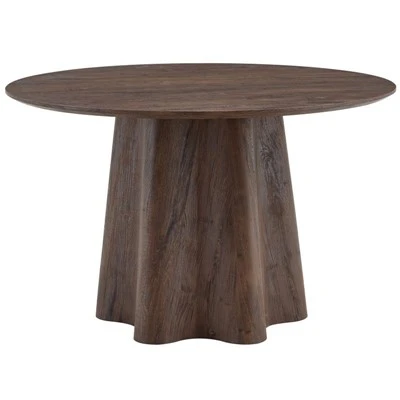
If you’re ready to find the perfect coffee table to match your leather sofa, reach out to our team to chat about what works for your space and routine. We can walk through different styles, sizes, and materials to make sure you get something you’ll love for years.
Coffee Tables References
- Interior Design Society. (2022). Guide to Coordinating Furniture Sizes for Small Living Spaces. Retrieved from industry design resources on functional living room layouts
- Leather Council of America. (2021). Pairing Furniture with Leather Upholstery for Timeless Style. Retrieved from material and design compatibility studies
- Coffee Table Association. (2023). 2023 Trends in Coffee Table Functionality and Style for Residential Spaces. Retrieved from industry trend reports for home furnishings
Furnishion (Tianjin) International Co., Ltd.
Furnishion (Tianjin) International Co., Ltd. is one of the most experienced coffee tables manufacturers and suppliers in China. With a professional production team, we are able to meet the needs of the majority of our customers. Please feel free to wholesale high quality coffee tables at competitive price from our factory.
Address: Room 2501, West Tower, Unit 1, Jinta Apartment, 162 Zhang Zizhong Road, Heping District, Tianjin, China
E-mail: export@furnishion.com
WebSite: https://www.furnishion.com/
