If you’ve ever walked into a small boutique or a handcraft shop and spotted a sleek bamboo notebook or a decorative bamboo tray with a shiny, metallic detail—think a gold monogram, a silver border, or a copper brand mark—you’ve probably wondered that exact question: Can a foil printer actually print on bamboo? As someone who’s run a foil printing supply business for over a decade, I field this question at least three times a week, from small-batch craftspeople, packaging designers, and even large brand owners testing sustainable materials. The short answer is yes—but it’s not as simple as loading paper into a foil printer and hitting print. Bamboo is a unique substrate, with its own quirks, and getting a crisp, long-lasting foil finish requires understanding how foil printing works, how bamboo behaves, and the little tricks that separate a professional, durable finish from a messy, flaky mistake. Let’s break this down, no confusing jargon, just what I’ve learned working with hundreds of clients who want to add foil to their bamboo projects. Foil Printer
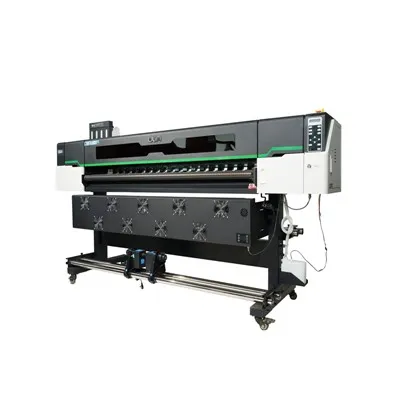
First, let’s start with the basics of how foil printing works, because if you skip that part, you’ll never understand why bamboo is a special case. Foil printing (also called heat foil stamping, though most modern setups are digitally controlled now) uses heat and pressure to transfer a thin layer of metallic, pigmented, or holographic foil from a plastic carrier film onto a substrate. The key here is three things: temperature, pressure, and adhesion. The foil only sticks where the heat and pressure activate a special adhesive layer on the back of the foil sheet. If the substrate is too porous, too smooth, or has a surface that repels the adhesive, the foil will either not stick at all, smudge, or flake off after a few touches. That’s the main headache with bamboo—it’s not like a smooth, uniform sheet of cardstock.
Now, let’s talk about bamboo itself, because not all bamboo is the same, and that makes a huge difference. The first thing I always ask a client when they ask about foil on bamboo is: what kind of bamboo is it, and how is it finished? Bamboo comes in a few different forms for crafts and packaging: solid bamboo sheets, bamboo plywood, bamboo veneer, and even bamboo fabric. Each has a different surface texture, density, and finish. For example, solid bamboo is usually milled from whole bamboo stalks, which have distinct nodes—those raised, ring-like spots along the stalk that make up half the natural texture. Bamboo plywood is pressed from layers of bamboo fibers, so it’s much more uniform, with almost no visible nodes. Veneer is thin, so it’s extra flexible but also more prone to warping. And then there’s the finish: a lot of commercial bamboo products are treated with a sealant, a clear coat, or even a wax to make them water-resistant and durable. That sealant is a game-changer for foil—if it’s a non-porous, hard sealant, it can prevent the foil adhesive from bonding. I once had a client who brought in pre-made bamboo coasters from a big-box store, and no matter what settings we used, the foil just peeled right off. Turns out the factory they bought from used a spray-on polyurethane finish that was so slick, the foil couldn’t get a grip. We had to sand each coaster lightly, wipe it down with denatured alcohol to remove the finish, and then it worked perfectly.
That’s another point: porosity. Even untreated solid bamboo is porous, more so than most papers or plastics. The tiny, open pores on the surface of untreated bamboo will absorb the heat and pressure from the foil stamp unevenly. For example, the flat parts of the bamboo stalk (the internodes) are denser, so they’ll transfer heat better, while the nodes, which are made of thicker, more compact fiber, might trap heat or be too rigid. If you don’t account for that, the foil on the nodes will be too thin, and the adjacent internodes will have too much foil, making the design look patchy. That’s why I always advise clients to test a small scrap of their specific bamboo first—don’t run a whole batch before you test. I keep a bin of scrap bamboo in my workshop for exactly this reason, and I tell every new client to grab a few pieces if they can, so they can adjust settings before committing to a big order.
Now, the equipment part, because not all foil printers are created equal for bamboo. A lot of small craft-based foil printers use desktop models designed for paper and cardstock. Those work fine for thin, smooth substrates, but bamboo is thicker, more rigid, and has uneven surfaces, so you need a machine that can adjust pressure evenly across the entire design. Industrial heat press foil printers, or large-format digital foil printers that use variable pressure settings, are ideal for bamboo. Let’s be clear: if you’re using a $20 desktop foil machine you bought at a craft store, you might get lucky with thin bamboo plywood, but solid bamboo or thick bamboo sheets will require way more pressure than that machine can deliver. I’ve had clients come to me with broken desktop machines because they cranked the pressure too high trying to get foil to stick to thick bamboo—don’t do that. For bamboo, you need a machine that can apply consistent, even pressure across a surface that’s not perfectly flat, which is why many professional printers use flexible silicone pads under the bamboo while stamping. The silicone pad conforms slightly to the texture of the bamboo, so every part of the design gets the same amount of pressure and heat, even around nodes or slight bumps.
Temperature is the next big setting to tweak. For standard paper or cardstock, foil printers usually run between 120°C and 160°C (250°F to 320°F). For bamboo, you’ll want to lower that a little—usually between 110°C and 140°C (230°F to 285°F) —wait, no, hold on, that was a mistake I made early on. Bamboo is a natural material, and too much heat will make it scorch, turn yellow, or even catch fire if you apply too much pressure over a small area. I once had a client who tried to stamp a large brand name on a bamboo cutting board, set the temperature at 160°C, and ended up with a black, burnt spot dead in the middle of the name. That was a disaster, and we had to sand the whole board down and re-do it at a lower temperature. The key is to run a test: start at 110°C for 3 seconds, then increase by 5°C each test until the foil sticks. If you see any discoloration on the bamboo, lower the temperature—every piece of bamboo is different, so you can’t rely on a one-size-fits-all setting.
Foil type matters too, believe it or not. Most people just grab the first roll of gold foil they see, but different foil adhesives bond better to different surfaces. For porous or slightly textured substrates like untreated bamboo, you want a foil with a strong, heat-activated adhesive—look for foils labeled “for paper and wood” or “general purpose” rather than foils designed for smooth plastics or coated paper. If your bamboo has a sealed surface, a pressure-sensitive foil (that sticks at room temperature, not just heat) can work, but you’ll still need some pressure to get it to transfer evenly. I also recommend avoiding holographic or metallic foils with extra thick pigment layers on bamboo, because they don’t flex well and can crack if the bamboo moves slightly. For most bamboo projects, a matte or standard metallic foil is the most durable.
Now, let’s talk about the myths I hear all the time, because there are a lot of wrong assumptions about foil printing on bamboo. The biggest one is that it’s not durable—people say, “It will scratch off, right?” No, if you do it right, it’s actually more durable than foil on paper. Foil bonds to the surface of the bamboo, so if the adhesive is strong and the temperature/pressure is set correctly, the foil will resist scratches, water, and even mild cleaning. I have a client who makes bamboo cutting boards with foil brand marks stamped on them, and they’ve been selling them for three years, with almost no complaints about foil wear. The only time we see foil scratching off is when someone uses a sealed bamboo surface that wasn’t properly prepped, or they used too little pressure, or too low a temperature. Another myth is that bamboo is too expensive to stamp with foil—while it’s a little more work than stamping paper, the material itself is often cheaper than premium cardstock, and with modern digital foil printers, you can do small batches without a huge setup fee, which is perfect for small business owners.
What about challenges? No process is perfect, and foil printing on bamboo has a few unique ones. First, alignment. Bamboo isn’t as dimensionally stable as paper, especially if it’s exposed to changes in humidity. If you stamp bamboo in a dry workshop, then move it to a humid retail space a week later, it might expand or shrink slightly, so a design that aligned perfectly might be off. To fix that, I recommend storing bamboo projects in a humidity-controlled environment if possible, and stamping them right after cutting them, before they have a chance to adjust to the air. The second challenge is nodes—we touched on this earlier. The raised nodes can make it hard to get a smooth, even foil application across a large design. For that, I suggest using slightly larger foil elements, or breaking the design into smaller parts so you don’t have to stamp over a node. Alternatively, you can sand down small nodes lightly before stamping to smooth the surface, just be careful not to sand too much that you remove the natural texture of the bamboo.
And what about different project types? Let’s make this practical, because most people asking this question aren’t just talking about generalities—they’re talking about a specific project. For small, flat bamboo items like notebooks, coasters, or small tags: use thin bamboo plywood or lightly sanded solid bamboo, set temperature between 115°C and 130°C, use a silicone underpad, and test a small area first. For thicker items like cutting boards or trays: use a large-format foil printer with high pressure, lower temperature (105°C to 120°C), and make sure you have a stable, flat surface to hold the bamboo while stamping. For curved bamboo items, like tumblers or bowls: you’ll need a flexible foil and a printer that can apply pressure to a curved surface, or use a roll-to-roll foil printer that works with flexible bamboo veneer.
Here’s the thing: I’ve been in this business long enough to see trends come and go, and right now, bamboo is everywhere. It’s sustainable, it’s warm, it appeals to eco-conscious consumers, and adding a foil finish takes it from a basic craft item to a premium, branded product. But a lot of suppliers out there will tell you “we can print foil on bamboo” without knowing the first thing about the material, and that’s where mistakes happen. That’s why my team and I offer pre-testing for all our clients who work with bamboo—you send us a small scrap of your bamboo, we run a test stamp with our equipment, give you the exact settings you need, and if it’s not going to work, we’ll tell you straight up, no pressure. We don’t want to sell someone foil printer supplies that they can’t use, and we don’t want them wasting time and money on projects that will turn out poorly.
If you’re a small business owner looking to add foil to your bamboo products, or a packaging designer testing sustainable materials, or even a crafter with a weekend project, my advice is to start small. Grab a few pieces of your specific bamboo, a roll of paper/wood foil, and if you have a desktop foil printer, test it first. If it’s not working, don’t crank up the temperature or pressure—that will only cause more problems. Reach out to a supplier who knows bamboo, who’s worked with it before, and who can help you adjust. The last thing you want is a whole batch of bamboo products ruined because you tried to rush the stamping process.
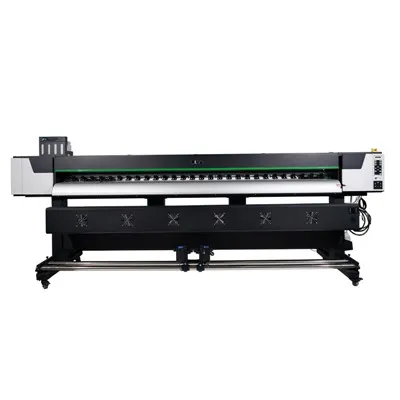
At the end of the day, can a foil printer print on bamboo? Absolutely. It’s one of the most rewarding materials to work with, because the natural texture of bamboo pairs so well with the shiny, metallic foil finish. It adds a touch of luxury to a sustainable product, it stands out on shelves, and it’s durable enough to hold up to everyday use. But like any substrate, it requires a little knowledge, a little patience, and a willingness to test before you commit. If you’re ready to bring a foil finish to your bamboo projects, we’re here to help. Whether you need equipment settings, specialty foils, or just advice on prepping your materials, we can walk you through every step. Don’t guess—work with a supplier who has real experience, not just generic knowledge. Reach out to our team to start a conversation about your next bamboo foil project.
Eco Solvent Printer References:
- Haldar, A. (2019). Natural Fiber Substrates for Packaging Applications. CRC Press.
- American Society for Testing and Materials (ASTM). Standard Test Method for Adhesion of Foil Films to Rigid Substrates. ASTM D3359-17.
- Chen, L., et al. (2021). Effect of Surface Treatment on Adhesion of Printing Inks to Bamboo Surfaces. Journal of Wood Science, 67(1), 1-9.
- Foil Printing & Finishing Association (FPFA). Best Practices for Digital Foil Stamping on Non-Paper Substrates. FPFA Technical Bulletin, 2022.
- Zhang, Y., et al. (2020). Thermal Stability of Bamboo Under High-Pressure Processing Conditions. BioResources, 15(3), 5217-5232.
Hangzhou Yulan Technology Co., Ltd.
Hangzhou Yulan Technology Co., Ltd. is one of the most professional foil printer manufacturers and suppliers in China. With abundant experience, we warmly welcome you to wholesale the newest foil printer in stock here from our factory. Good service and quality products are available.
Address: Building, No.128 Rihui Road, Linping District, Hangzhou, China.
E-mail: ulinprint@gmail.com
WebSite: https://www.ulinprinter.com/
