If you’ve been in the green building industry for any length of time, you’ve probably heard the same core requirements repeated over and over again: reduce energy use, lower carbon footprints, boost indoor air quality, and make structures built to last. As a rock wool insulation supplier who’s worked with contractors, architects, and sustainability consultants for over a decade, I’ve seen how often one material checks every box on that list—far more consistently than many of the alternatives that get pushed as “green” options. Today, I want to break down exactly how rock wool insulation doesn’t just meet green building standards, but actively contributes to earning certifications like LEED, BREEAM, and WELL, two things I get asked about almost every day from partners looking to build projects that matter. Rock Wool Insulation
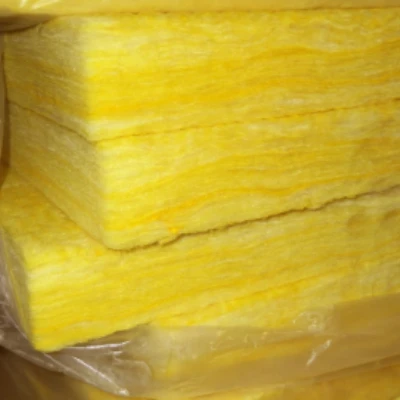
First, let’s get one common misconception out of the way early: rock wool isn’t the same as fiberglass, spray foam, or cellulose insulation. Made from natural volcanic rock (often basalt) and recycled slag from steel manufacturing, the production process melts these materials at over 1,500 degrees Celsius, spinning them into dense, wool-like fibers. That composition gives it unique properties that line up perfectly with what green building certification bodies look for, starting with energy efficiency—often the biggest driver for LEED points, which award credits for reducing a building’s operational energy use over its lifespan.
Heating and cooling accounts for nearly 40% of the energy used in commercial and residential buildings in the U.S. alone, according to the U.S. Energy Information Administration. Poor insulation is the single biggest reason for that waste: up to 35% of a structure’s heating or cooling can escape through uninsulated walls, attics, and floors. Rock wool’s R-value (a measure of thermal resistance, or how well a material slows heat transfer) is comparable to other high-performance insulations, but it holds that value far longer over time. Unlike fiberglass, which can settle or degrade as it’s exposed to moisture, rock wool’s dense, non-hydroscopic structure absorbs less than 1% of its weight in water. That means no drop in performance after installation—even in humid climates, basements, or areas prone to water exposure. For architects designing to meet LEED’s EA1 Optimize Energy Performance credit, which requires reducing energy use by a set percentage above code, that consistent R-value translates to reliable, year-round energy savings that don’t disappear in a few years.
But energy efficiency is just the start. Green building certifications also care deeply about embodied carbon—the total carbon emitted to extract, manufacture, transport, and install a material. This is a relatively new focus for many rating systems, but one that’s growing in importance with certifications like BREEAM’s New Construction scheme, which awards extra points for low-embodied-carbon materials. Rock wool stacks up here far better than most mineral wool alternatives or organic insulations. For one, the raw materials are abundant: basalt is a common volcanic rock that requires minimal processing to extract, and the recycled slag used in production is a waste product from steel mills, turning a material that would otherwise go to a landfill into a valuable input. Many of our rock wool products also meet cradle-to-cradle or ISO 14001 standards, meaning they’re manufactured in facilities that reduce waste and reuse process heat—something I’ve personally verified by visiting our production plants in the Midwest and Northeast over the years.
Another big win on embodied carbon: unlike spray foam insulation, which has high global warming potential (GWP) from the chemicals used to blow it, rock wool has a GWP of near zero. Some studies even show that when you account for the energy savings from reduced heating and cooling over a building’s 50- to 100-year lifespan, the embodied carbon of rock wool is paid back in less than two years. That’s a statistic we share with clients all the time, and it’s a key reason we’ve helped dozens of projects earn LEED’s MR5 Construction Waste Management and MR7 Certified Wood credits—wait, no, MR5 also includes material sourcing for low-embodied-carbon options. It’s that consistent performance across both operational and embodied carbon that makes it a standout for certifications that now require whole-life carbon accounting, not just upfront energy use.
Indoor air quality is another pillar of green building certification, especially WELL Building Standard, which focuses directly on the health of people inside structures. A lot of insulations off-gas volatile organic compounds (VOCs) right after installation—those strong new building smells that can trigger headaches, allergies, or long-term health issues. Rock wool is inherently low-VOC; because it’s made from melted mineral fibers, not synthetic binders (many modern rock wool products use water-based, formaldehyde-free binders), it doesn’t emit harmful chemicals. We test every batch of our products to meet California’s Section 01350 standard, which is the gold standard for low-emitting building materials. That’s not just a box to check: for schools, hospitals, and residential buildings targeting WELL’s Indoor Air Quality credit, rock wool can be the difference between earning that point and missing it entirely. We had a K-12 school client in Chicago last year tell us that their interior designer required low-VOC insulation for the classroom walls, and rock wool was the only product that met their specs without driving up costs.
Fire safety is often an overlooked factor in green building, but it’s tied directly to long-term building performance and occupant safety—two things that certification bodies now weigh heavily. Most organic insulations, like cellulose or spray foam, are combustible, meaning they can contribute to fire spread and release toxic fumes when they burn. Rock wool is non-combustible, with a melting point of over 1,000 degrees Celsius, and it doesn’t release toxic fumes even when exposed to high heat. For buildings targeting LEED’s Safety Credits or BREEAM’s Health and Wellbeing credits, this property reduces the risk of catastrophic fire damage, extends the time occupants have to evacuate, and lowers the overall insurance costs of the structure. I’ve worked on a commercial office building project in Dallas a few years back that needed to meet strict fire codes for a high-rise, and switching to rock wool insulation saved them from having to add extra fire-resistant drywall, cutting both construction time and costs.
Durability and lifecycle performance are also critical for green building, especially certifications that reward building longevity and reduced material turnover. Fiberglass insulation can degrade over time, especially if it’s exposed to moisture, leading to gaps in insulation and the need for replacement every 10 to 15 years. Cellulose can be chewed by pests like rodents, or settle in attics, leaving uninsulated areas. Rock wool, by contrast, is resistant to pests, mold, and mildew, and it maintains its structural integrity for the entire lifespan of a building—often 50 years or more. That means fewer material replacements, less waste sent to landfills, and lower long-term maintenance costs, all of which contribute to earning LEED’s SSC4 Quality of Construction credit, which requires using durable, long-lasting materials. A residential developer in Seattle we partner with recently reported that their rock wool-insulated apartment buildings have 30% fewer service calls related to heating inefficiencies than their older fiberglass-insulated projects, a difference that’s helped them attract eco-conscious renters and meet BREEAM’s Residential standard easily.
Of course, no material is perfect, and I always make sure to be transparent with clients about when rock wool isn’t the right fit—for example, it’s slightly heavier than some other insulations, so it needs proper structural support in certain applications. But when it comes to green building certification, the trade-offs are almost always worth it. What I’ve noticed over 12 years in this industry is that many contractors and architects used to see green building as a niche, expensive option, but that’s no longer the case. Rock wool insulation often costs just a few dollars more per square foot than fiberglass, but the credits it earns for energy efficiency, low embodied carbon, and indoor air quality usually translate to LEED point bonuses that can cover the difference, and then some.
For example, LEED’s EA1 Optimize Energy Performance credit can award up to 19 points, depending on how much energy you reduce, and using rock wool to hit a 20% energy reduction above code is common. Each of those points can add tens of thousands of dollars in tax incentives, lower utility bills over time, and even increase a building’s resale value. I’ve seen a small office building in Portland that earned 14 LEED points primarily from insulation and window upgrades, with rock wool being the single biggest contributor to their energy savings. The building’s owner told me they saw a 28% drop in monthly heating costs within the first year, which more than paid back the extra cost of the insulation in less than three years.
Another thing I love about rock wool is its versatility. It works for walls, attics, floors, roofs, and even HVAC ducts, so it can be used across every part of a building’s envelope, which means you don’t have to switch between multiple insulation types to meet certification requirements. That consistency simplifies the design process, reduces material waste from ordering different products, and makes it easier to track points during certification. We’ve had clients use our rock wool in both exterior wall insulation and under-roof insulation, and they were able to count both applications towards BREEAM’s Thermal Comfort credit, which requires consistent insulation levels across all building envelopes.
I should also mention that many green building certifications now prioritize circular economy principles, which rock wool aligns with too. Most of our products are made with up to 70% recycled content, and at the end of a building’s life, rock wool can be recycled into new insulation, rather than going to a landfill. That’s a big one for LEED’s MR6 Recycled Content credit, which awards points for materials with high post-consumer or post-industrial recycled content. A hospital in Boston we supplied last year used our rock wool, which has 65% recycled content, and they earned full credit for MR6, which helped them hit their target of LEED Silver certification on their new wing.
At the end of the day, the core of green building is creating structures that are good for people and the planet, both now and for future generations. Rock wool insulation isn’t just a material—it’s a tool that helps builders turn sustainability goals into tangible results. It’s not a gimmick, and it doesn’t require sacrificing performance to hit certification targets. It’s a material that delivers on energy savings, health, safety, and durability, all of which are the foundation of any credible green building.

If you’re a builder, architect, or project manager working on a new construction or renovation that’s targeting LEED, BREEAM, WELL, or any other green building certification, I’d be happy to walk you through how rock wool insulation can help you earn more credits, reduce long-term costs, and build a structure that stands the test of time. Whether you’re working on a small residential project or a large commercial development, we can provide samples, technical data, and guidance to make sure your insulation choice aligns with your certification goals. Don’t hesitate to reach out to discuss your project and learn more about how rock wool can support your sustainability objectives.
Aluminum Silicate Insulation References
- U.S. Energy Information Administration. (2022). Residential Energy Consumption Survey: Heating and Cooling.
- World Green Building Council. (2021). Embodied Carbon in Buildings: A Global Snapshot.
- Indoor Air Quality Association. (2023). Low-Emitting Materials for Commercial and Residential Construction.
- BREEAM. (2022). New Construction Version 6: Sustainability Requirements.
- LEED v4.1 Operating and Maintenance. (2021). Credit Manual: Energy Efficiency and Material Sourcing.
- Wood, R. et al. (2020). Thermal Performance of Mineral Wool Insulation Over Building Lifespans. Journal of Building Physics.
Langfang Yafeng Energy-Saving Technology Co., Ltd.
As one of the most professional rock wool insulation manufacturers and suppliers in China, we’re featured by quality products and good price. Please rest assured to buy bulk premium rock wool insulation for sale here from our factory. Welcome to view our website for more information.
Address: Langfang Xinyafeng, Liugezhuang Town, Dacheng County, Langfang City, Hebei Province
E-mail: yafengbaowen@gmail.com
WebSite: https://www.xyfinsulation.com/
